
You learned to pass — to wear the face that keeps you safe while the real self stays behind a locked door. These reflections name the mask and its cost: the double life, the smooth performance, the exhaustion of being seen without being known.
Confessions to the Empty Chair and Fractions of the Soul.
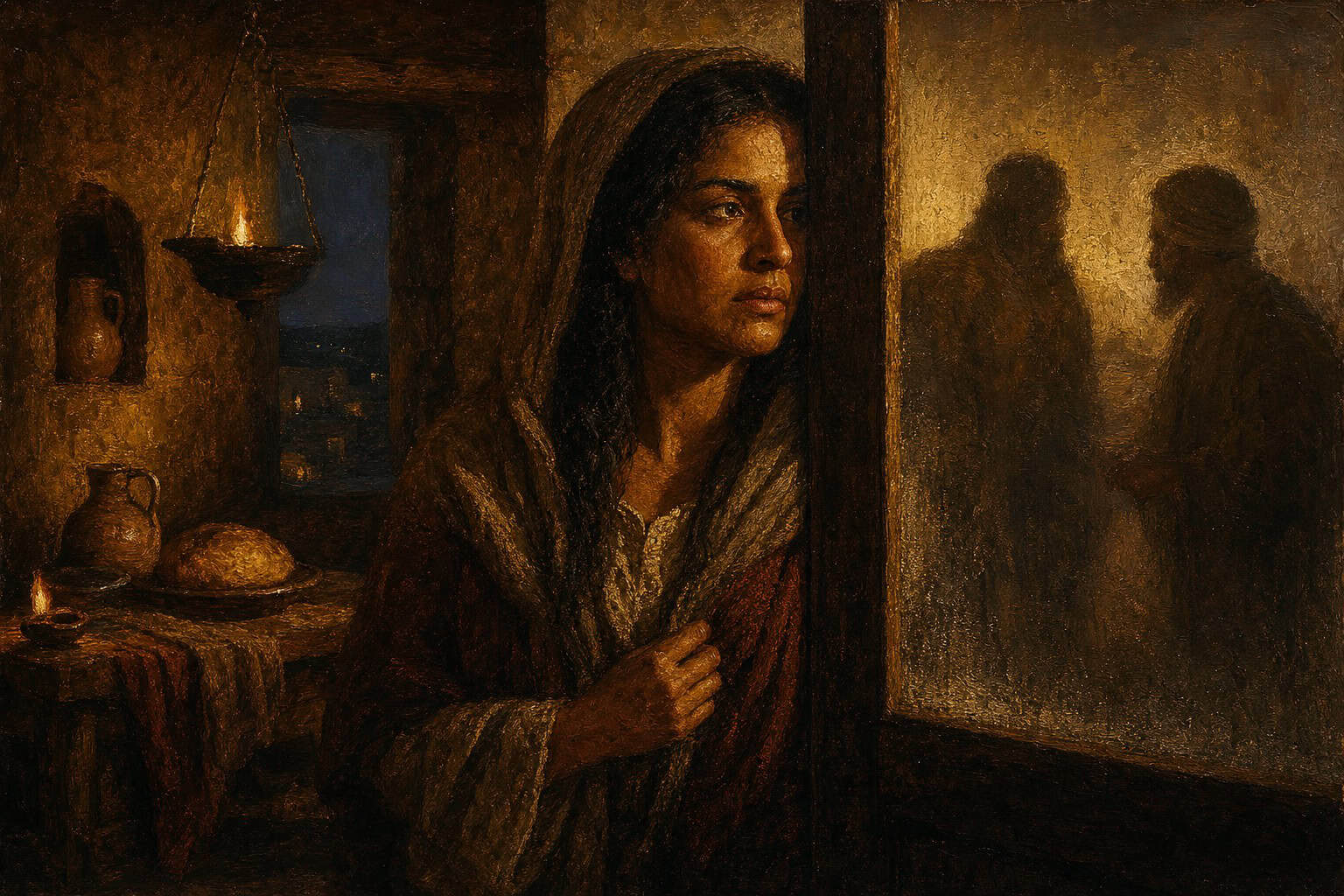
When Every Move Comes With an Alibi
Toxic mother-daughter bonds live in plausible deniability - every gesture explained twice. A raw, honest reading of the love that never lets you be sure.
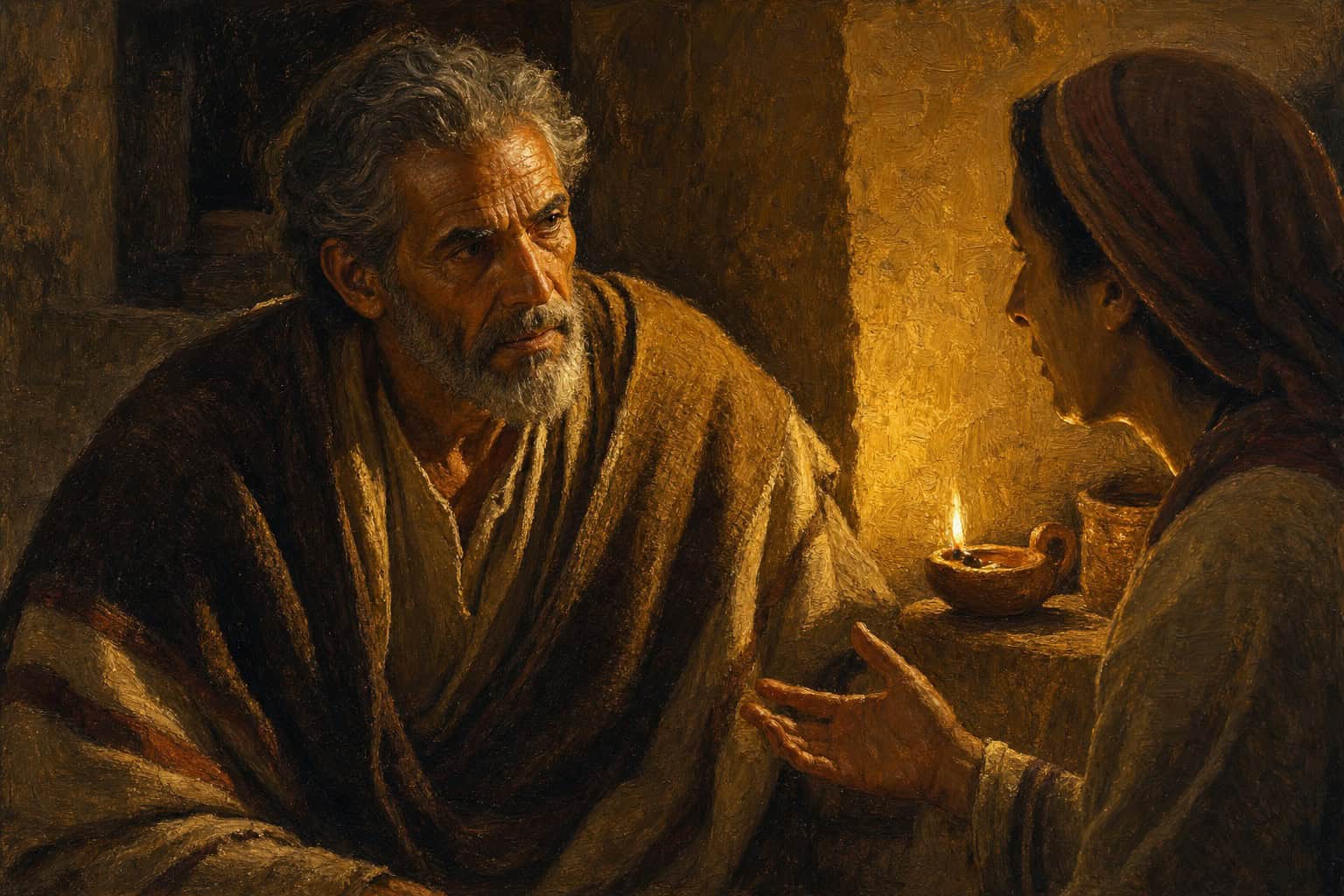
Who Really Lives a Double Life
You want to know who lives a double life. A chapter from Confessions to the Empty Chair shows the man whose cold armor cracks when a discarded lover suffers.
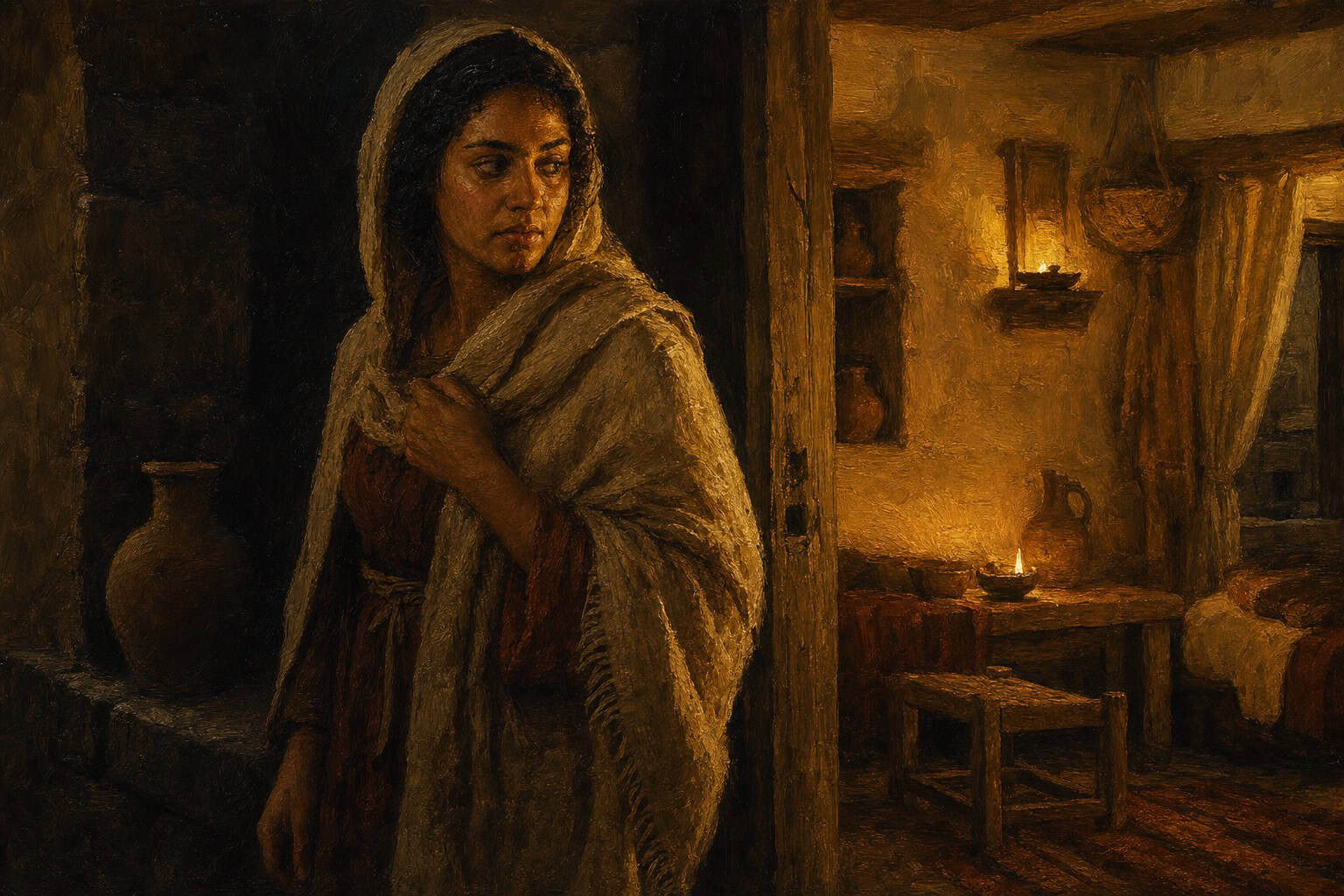
The Locked Room Behind Your Marriage
Hiding things from your partner feels like safety. A reading on the secret self, the withheld soul, and what your silence really keeps.
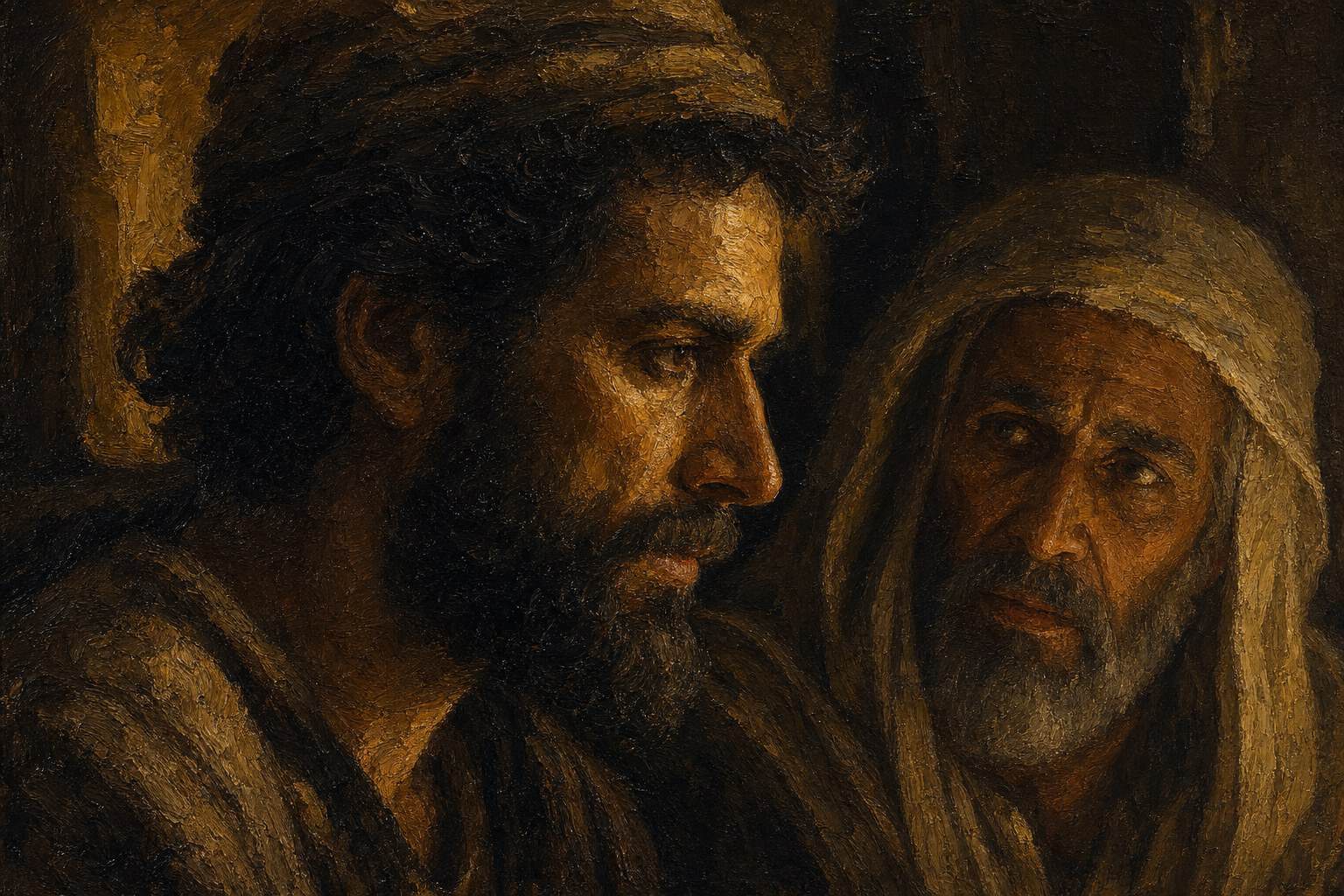
Who Should Not Approach the Altar
Warnings about taking communion, read through a memoir of desire and shame: what it means to come forward unworthy, and whether God waits there anyway.
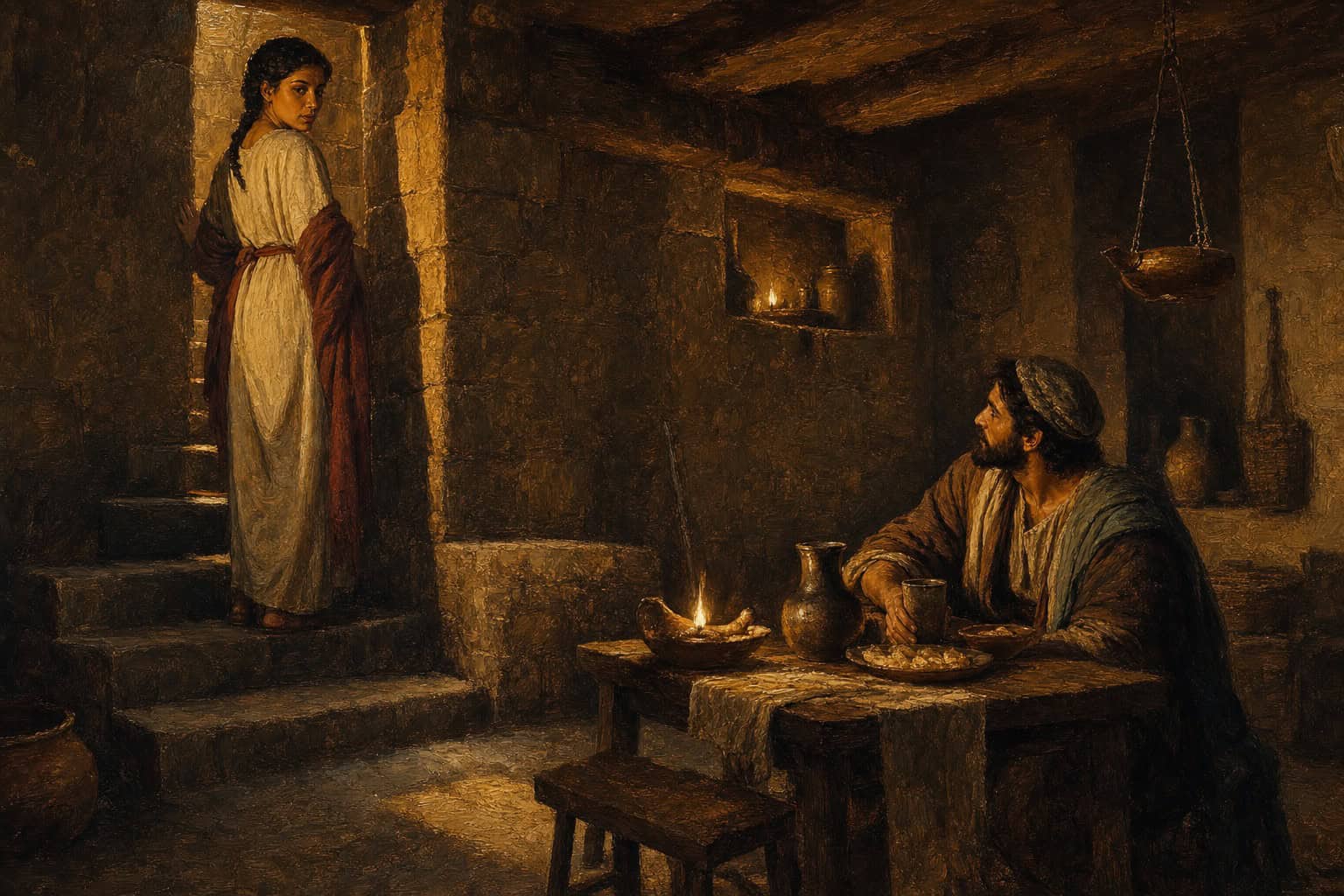
She Left Because You Fed Her, and She Wanted Crumbs
Why did she leave? A raw look at loving a woman who saved her real self for others, told through a memoir's unflinching chapter on Jane.
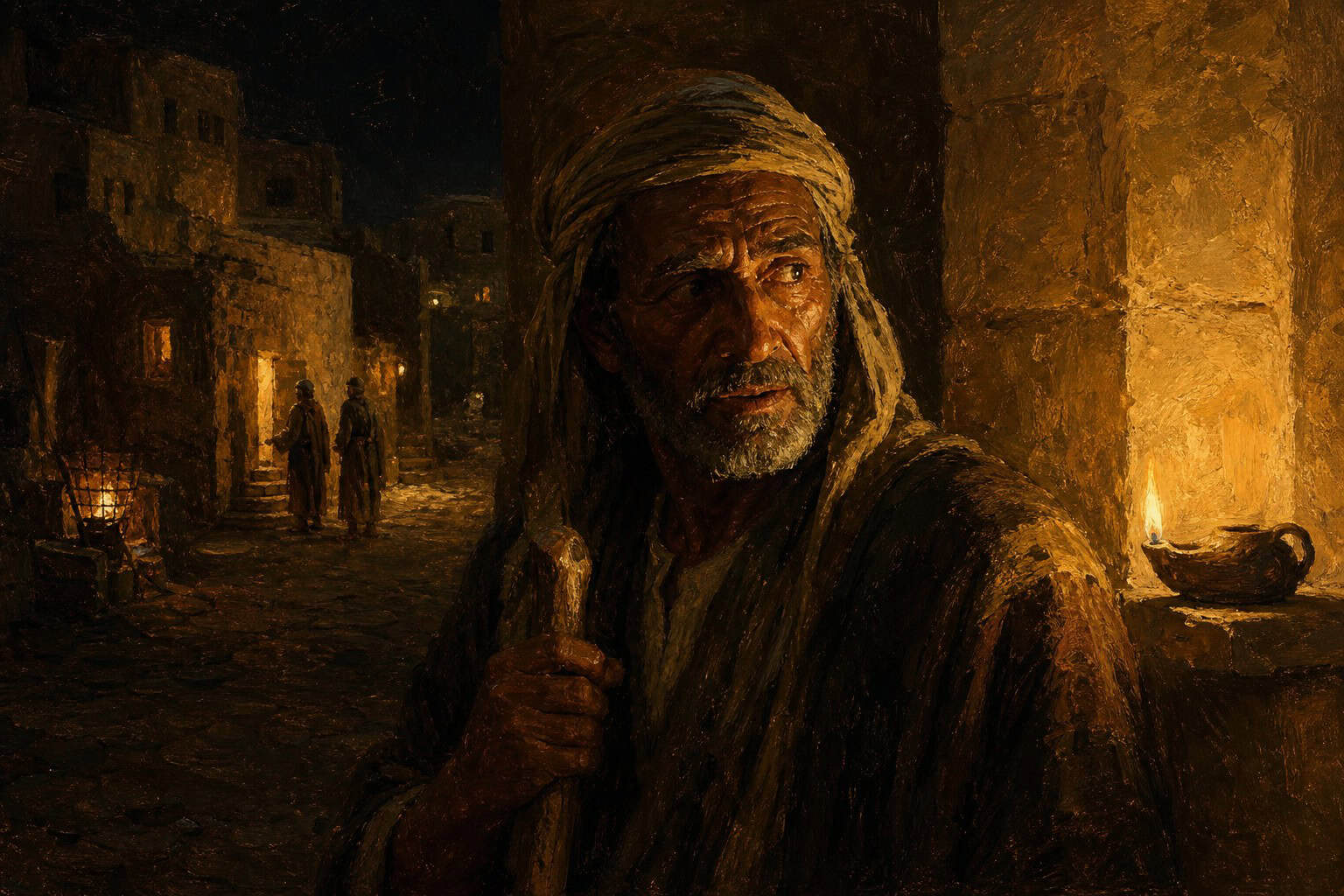
Two Men in One Chest and the Lie Between Them
How do you stop lying in a relationship when your heart is split? A reflection on the divided self, grief, and desire from Confessions to the Empty Chair.
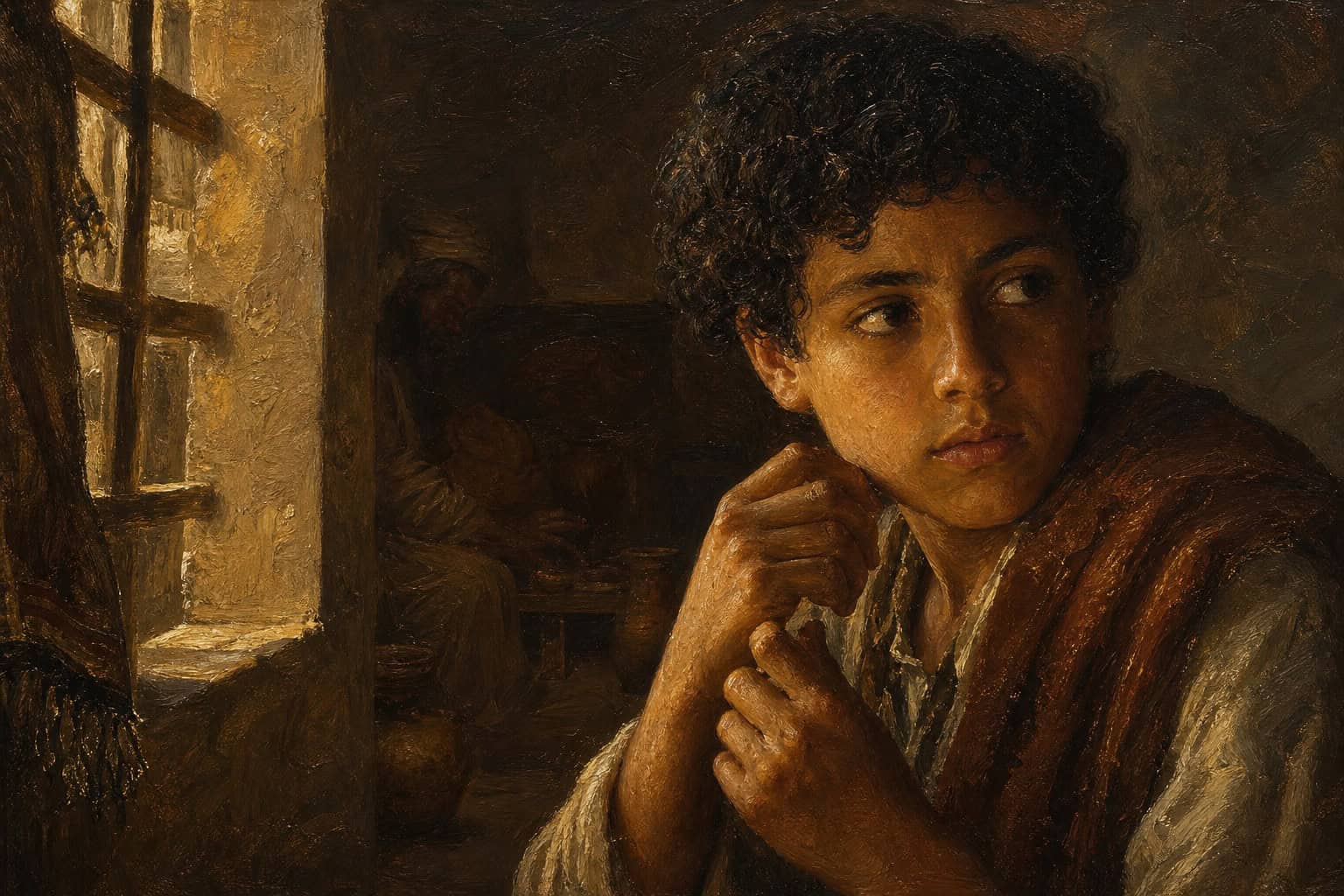
Can You Sleep With a Friend and Stay Just Friends?
Can you sleep with a friend and stay just friends? Not when one of you brings a whole heart and the other a body, and the warning comes like a receipt.
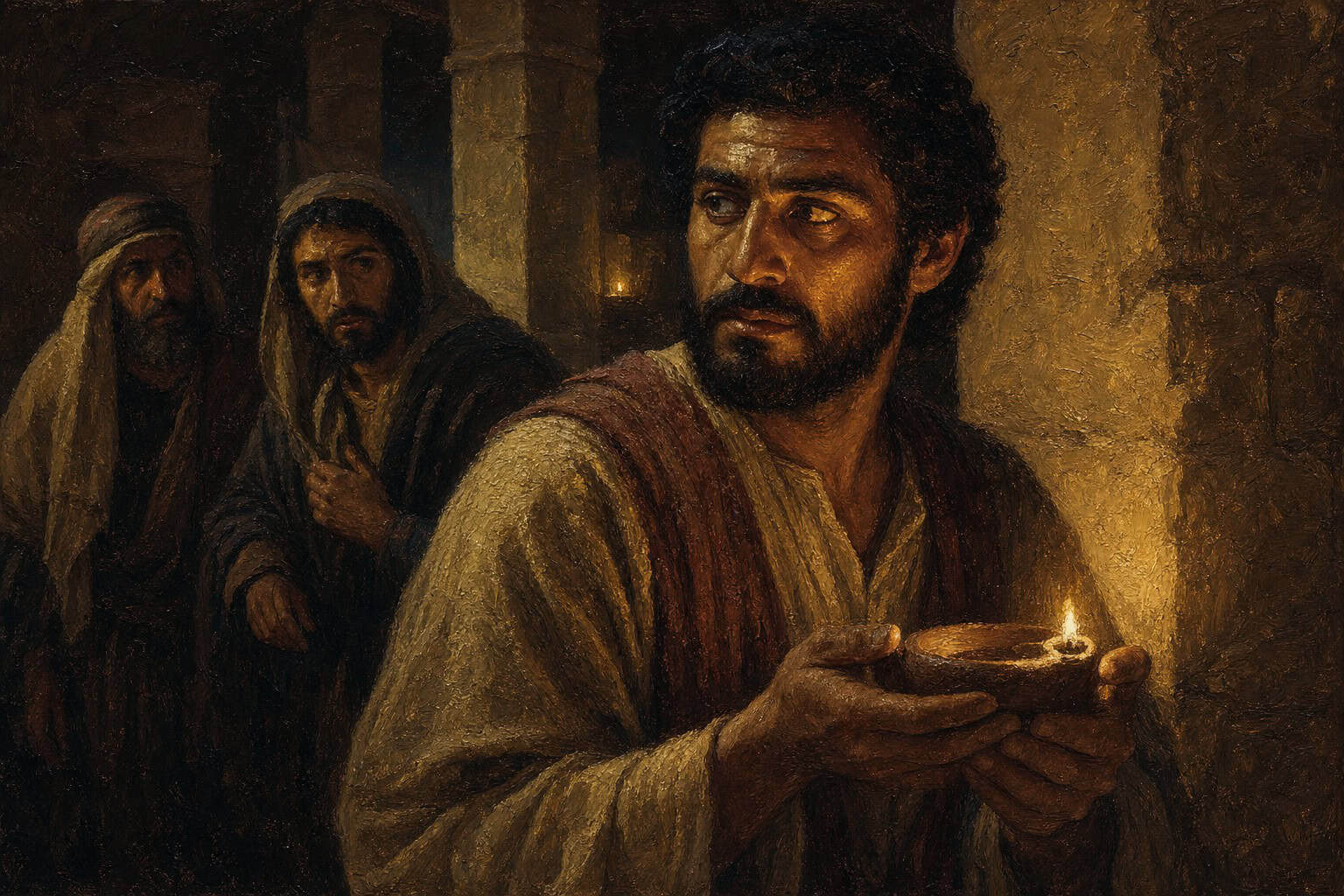
Someone Who Reached Without Asking First
A late-night walk through a clinic, a doctor who stepped forward without permission, and what her boldness taught a cautious man about grace.
When Her Heart Goes Quiet Behind Her Face
Why does a girl hide her feelings? A raw reckoning with distance, dead intimacy, and the walls we build even inside a shared bed.
What a Joke Is Really Hiding
What feelings does humor hide? A memoir of the early internet, the outsider's wit, and the ache beneath every clever line typed to be liked.
You Learned to Joke Before You Learned to Breathe
Trauma made you funny? The joke came first because the fear needed a place to hide. Here's why laughter learned to talk before your grief could.
Does God Send the Pain, or Meet Us In It?
Why does God make us suffer? A raw, honest meditation on grief, desire, and finding God inside the dark rather than being rescued from it.
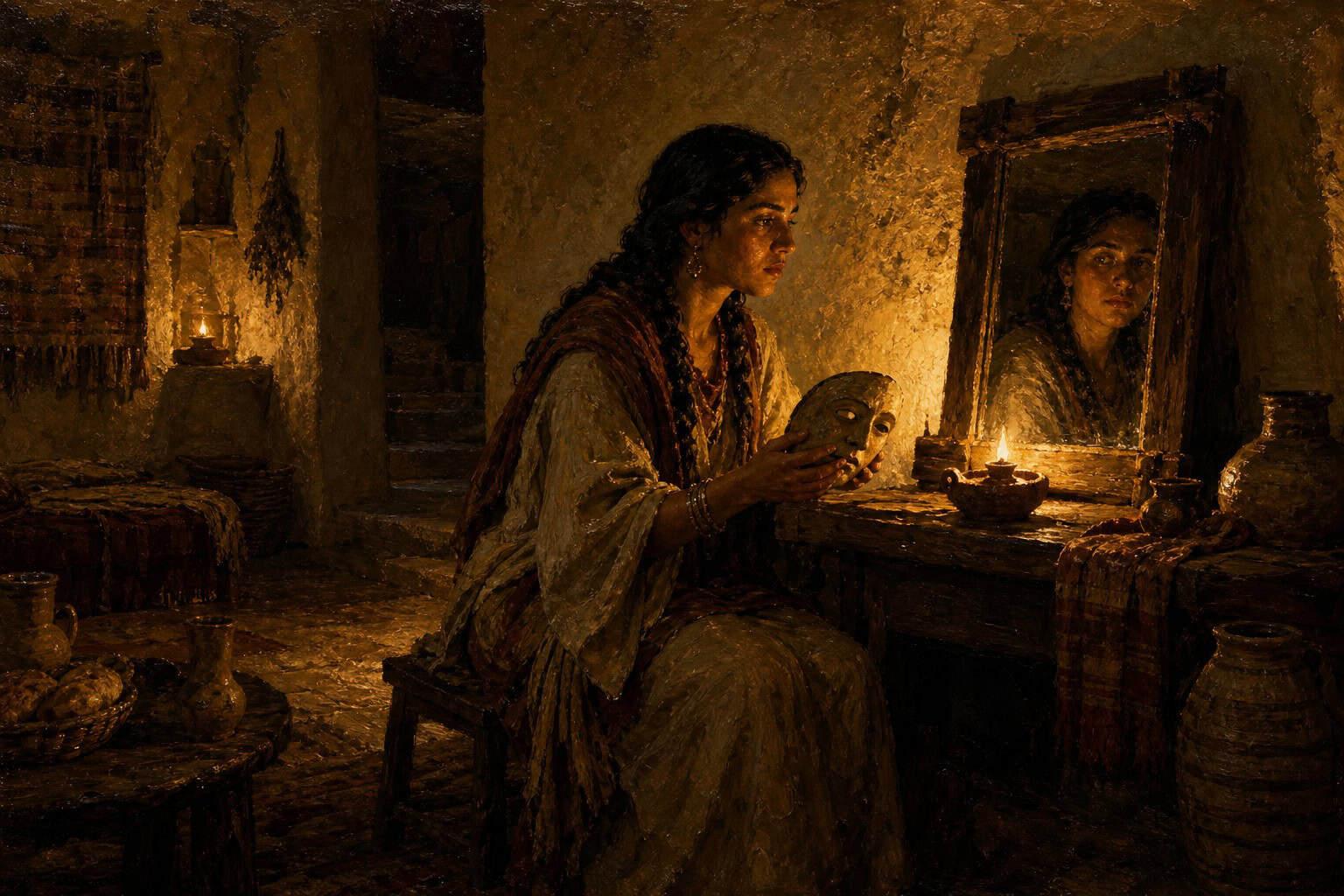
Sometimes I Pretend to Be Normal
You say you pretend to be normal. Here's what that performance costs, and the tenderness waiting for the self underneath the act.
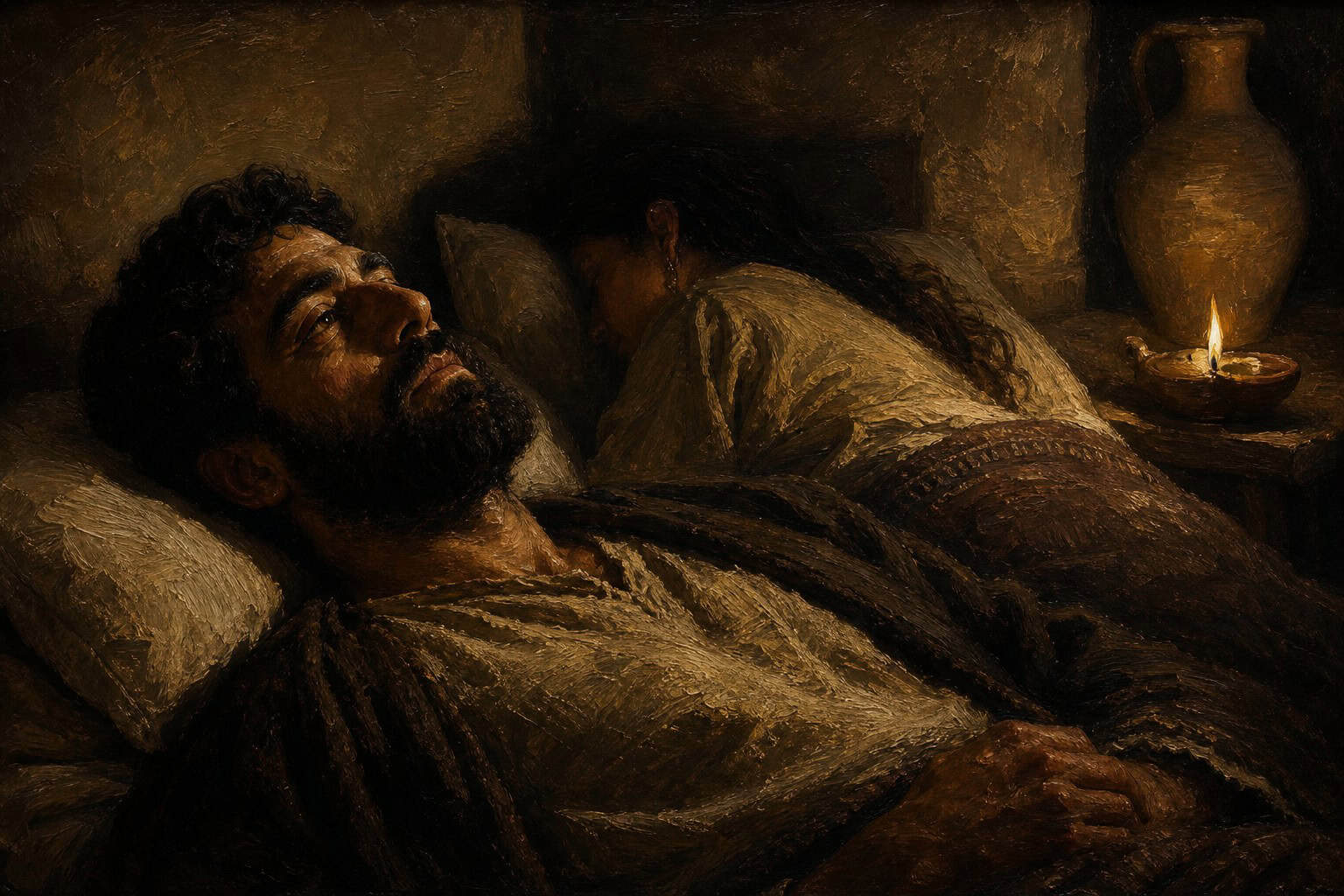
You Cannot Divide One Wound by Many Bodies
Why do men keep rejecting you? A memoir's raw reading: the ghost you flee grows louder in every new bed. Read the honest answer.
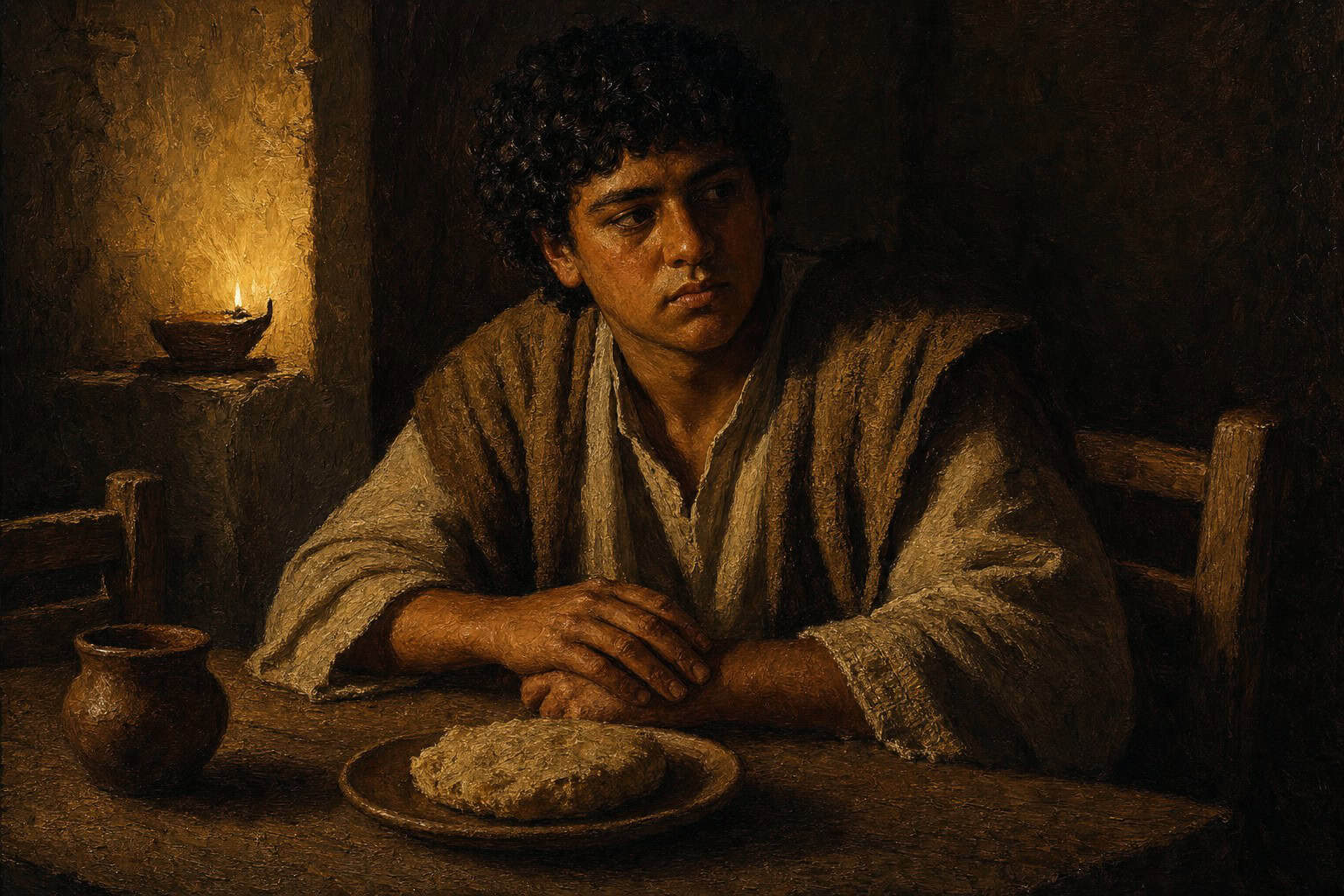
Why I Show My Wounds Instead of My Face
The pain I hide comes out sideways—shown, not felt. A reflection on wounds we display to control instead of confess, from Fractions of the Soul.
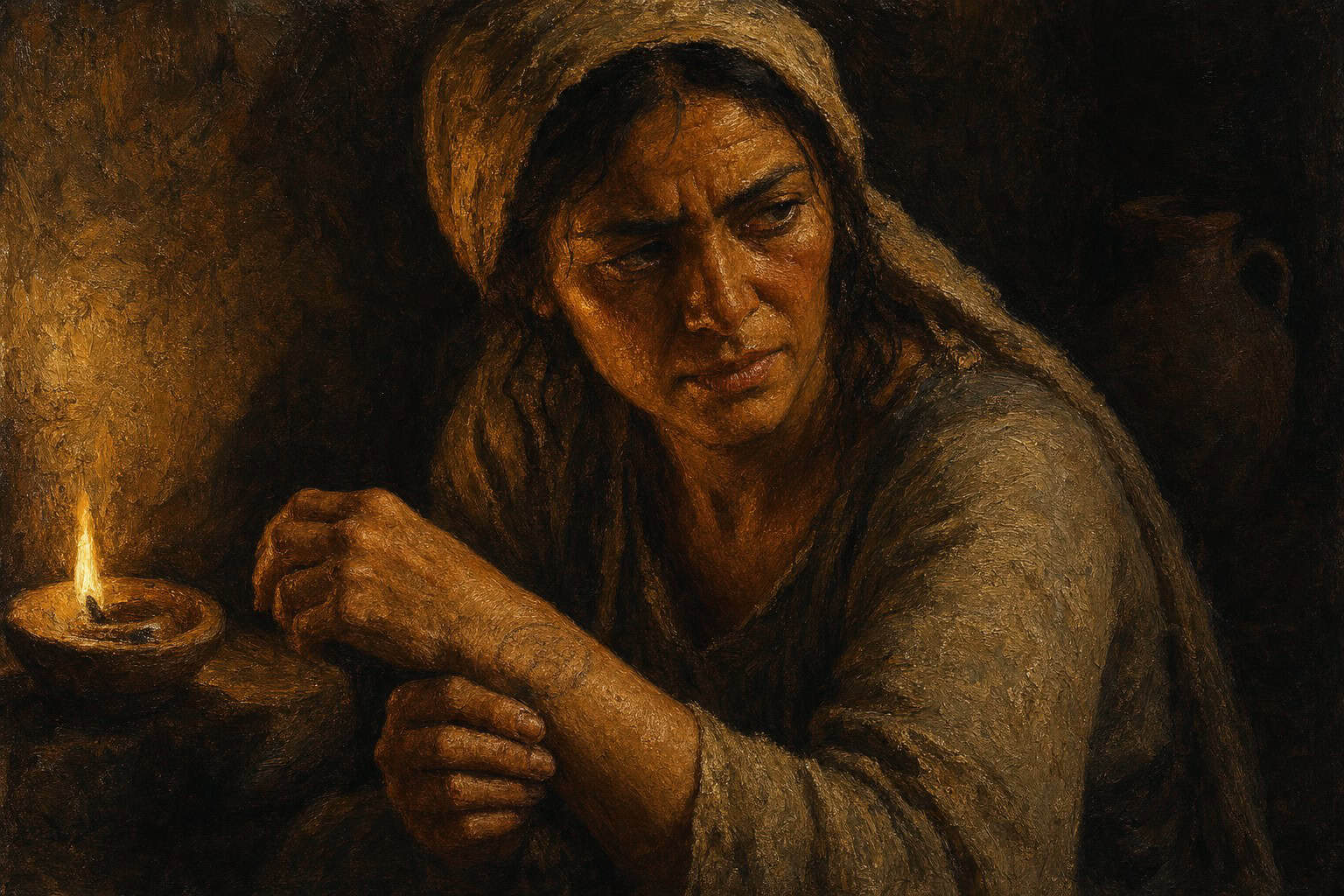
Am I Insane, Or Did Surviving Just Look Like This?
Feeling crazy after abuse? A memoir chapter reads a rave playlist as proof you weren't insane—you were surviving. Read it here.
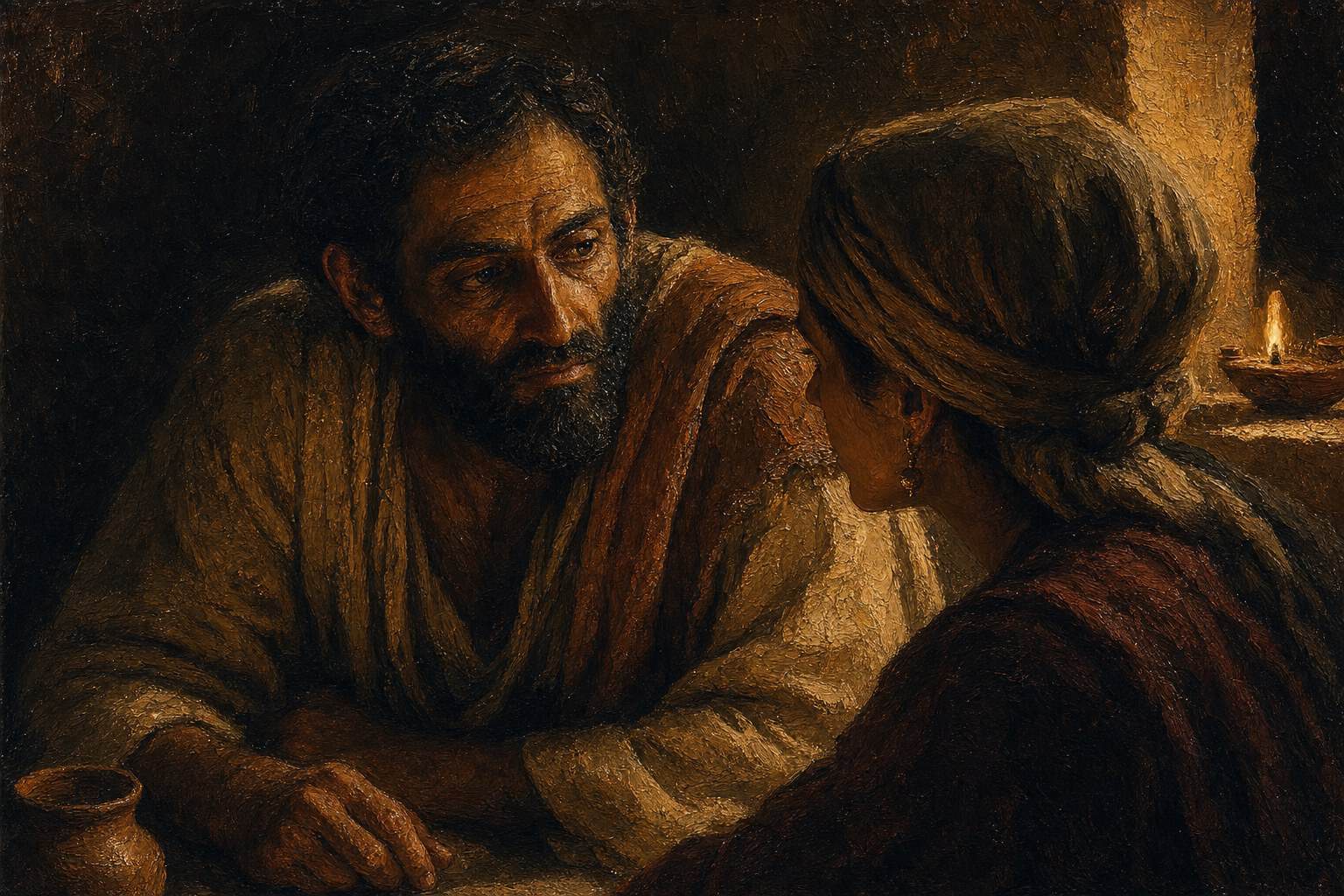
Why We Call That Position Missionary
Why is the position called missionary? A plain answer, and a harder look at what facing each other actually asks of two bodies.
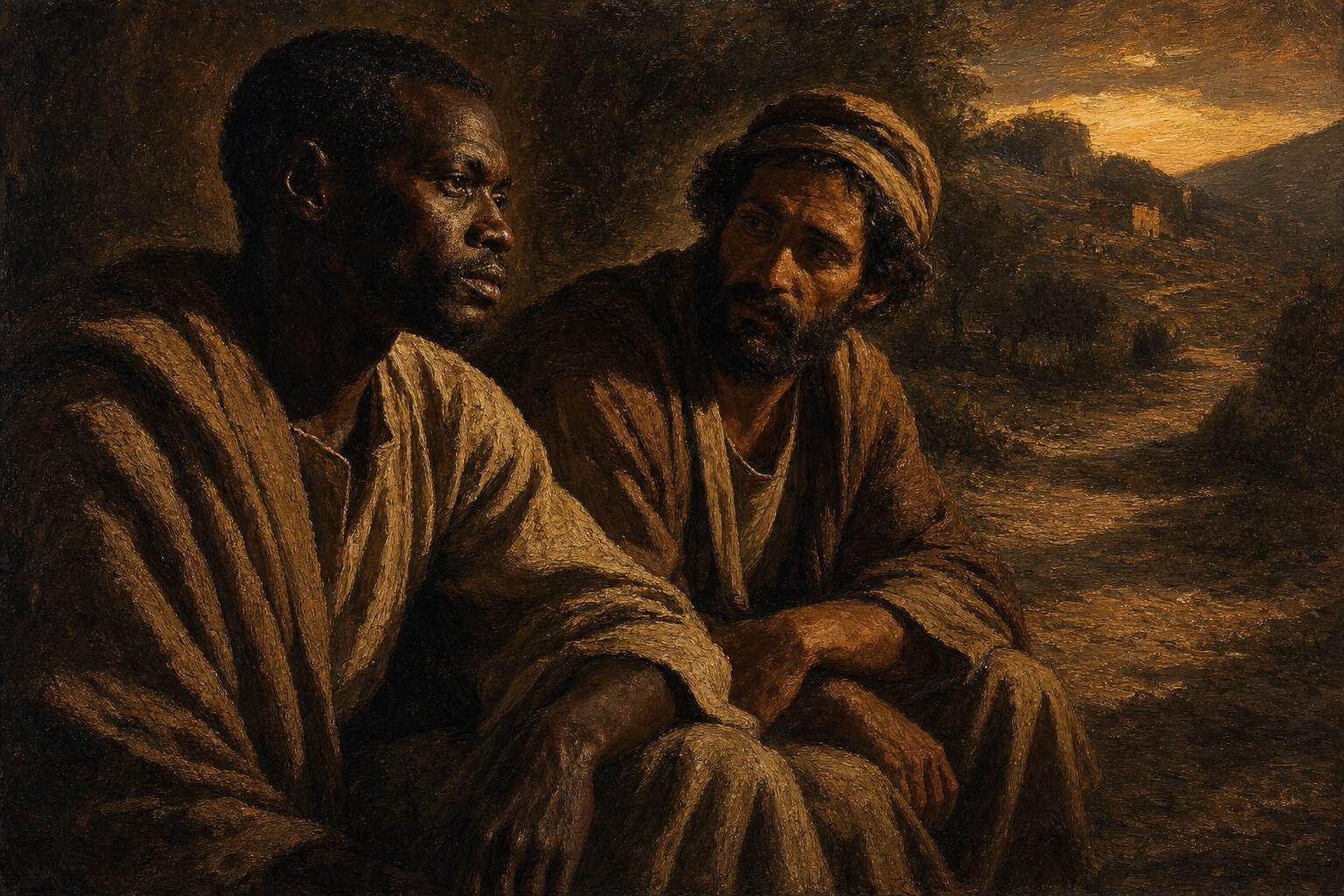
Named a Sad Angel Before I Could Hide
You wanted the scream in the car—the moment of being seen. Here is what it means to be named in your sadness before you can build a defense.
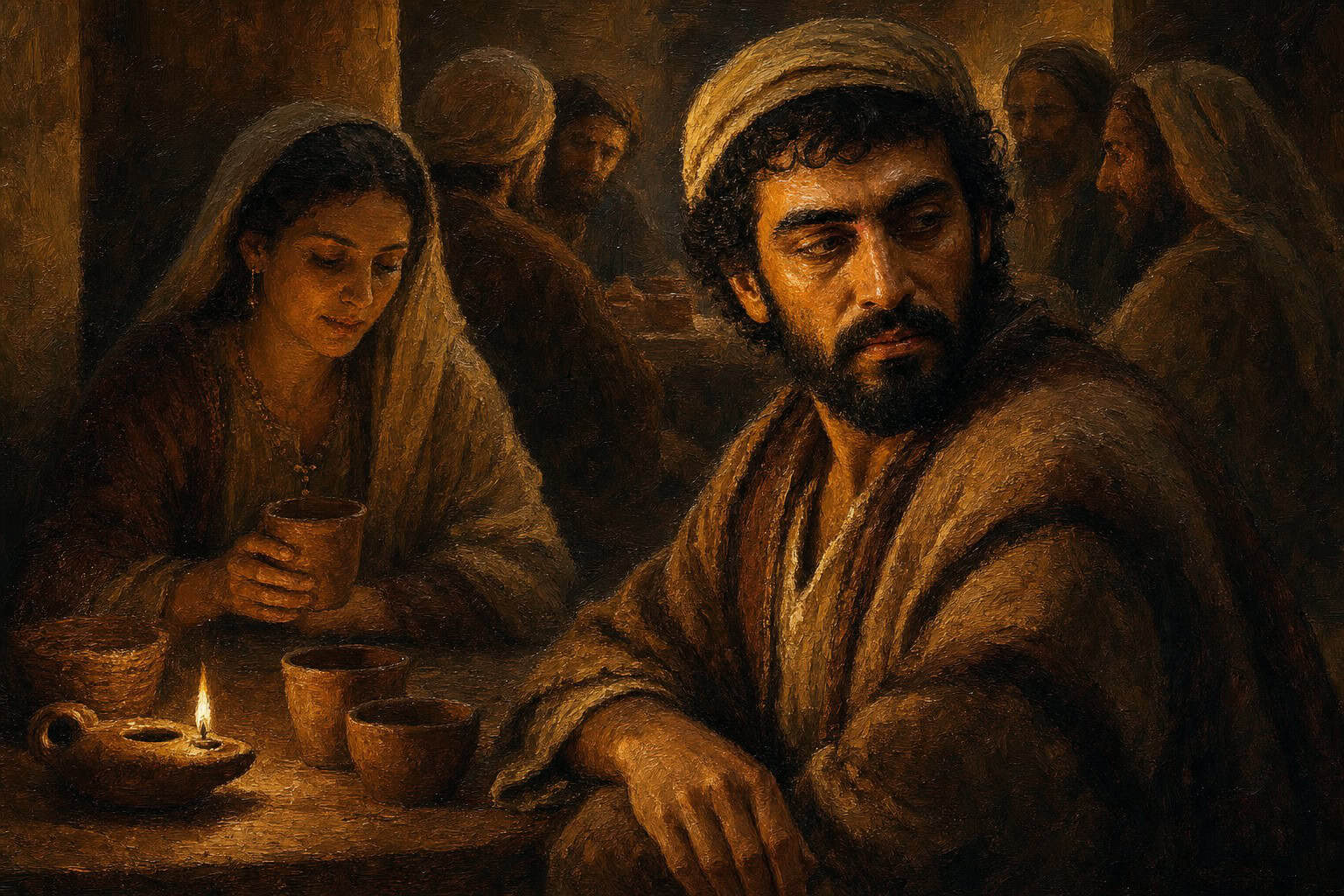
Why Every New Relationship Feels Like a Game With Rules Nobody Told You
Social role playing games have hidden rules because you never meet a person alone. Here's what really enters the room when two people meet.
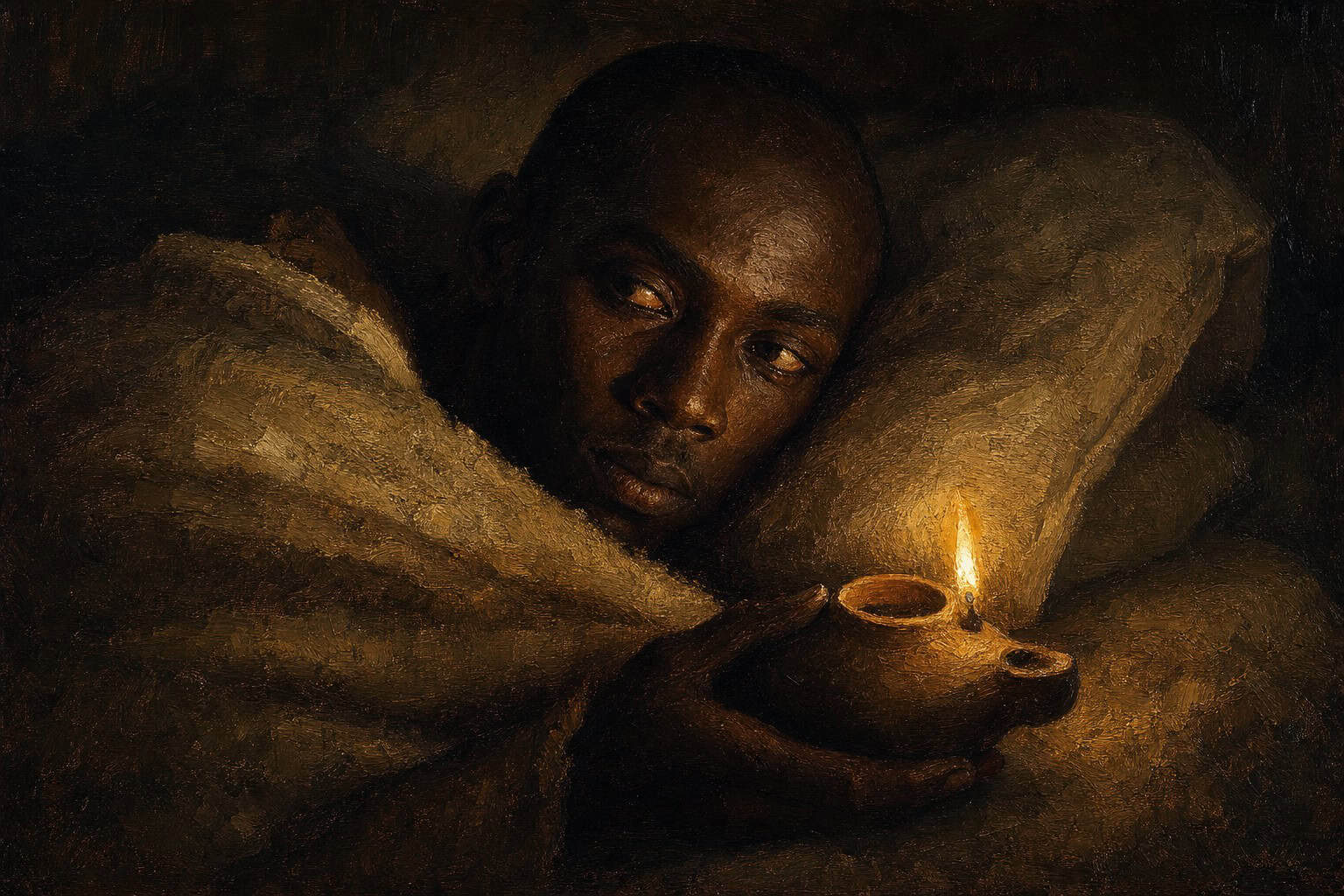
Everyone Leaves Something Behind
Everyone must leave something behind. A scene from Fractions of the Soul reads the woman who deletes every trace so nothing of her can be judged.
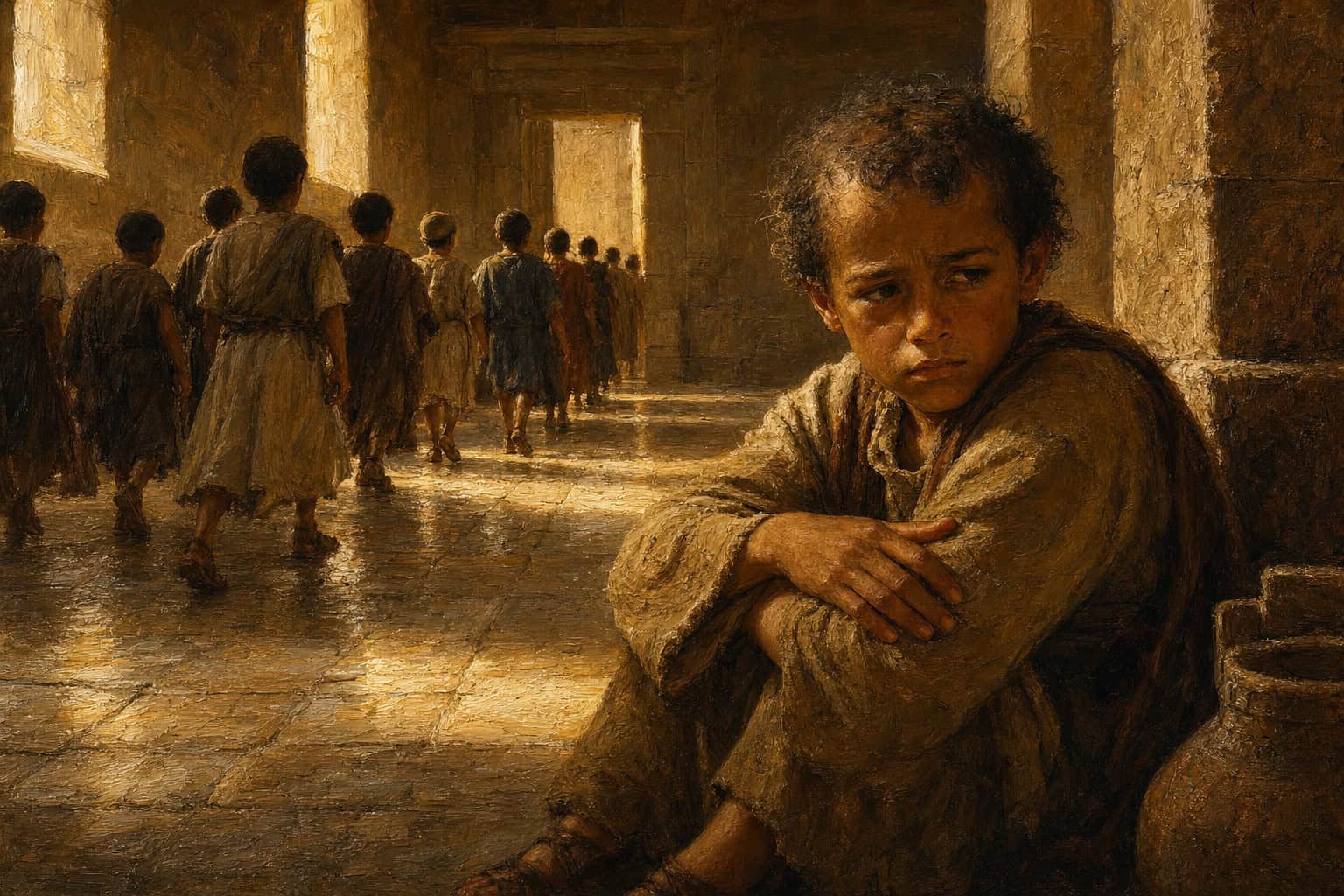
When Two Selves Live in One Boy
Living a double life meaning: what it does to a child seen as a riddle, not a person - a memoir reflection on the split self.
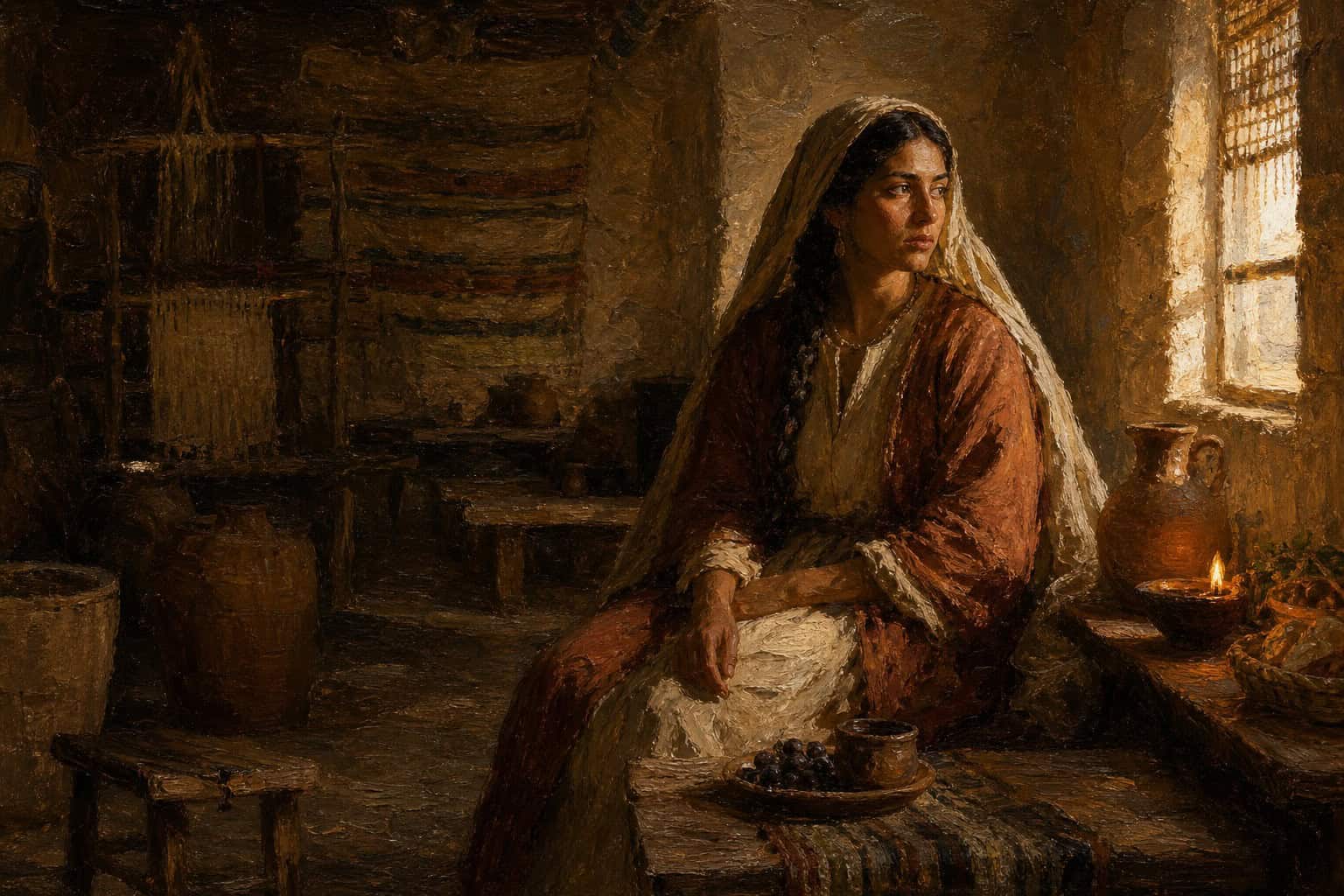
A Man Who Splits His Body From His Heart
What makes a person invisible? A locked dorm room, a kiss, and a man who mastered the art of vanishing from his own skin.

How Adam and Eve Saw God Before the Fall
How did Adam and Eve see God? The sight we lost, the shame that clouded it, and the strange mud that gives it back.

Why Sons Turn on the Women Who Made Them
Why do sons turn on their mothers? A raw reckoning on the test we run, the love we withhold, and the debt we never asked anyone to pay.