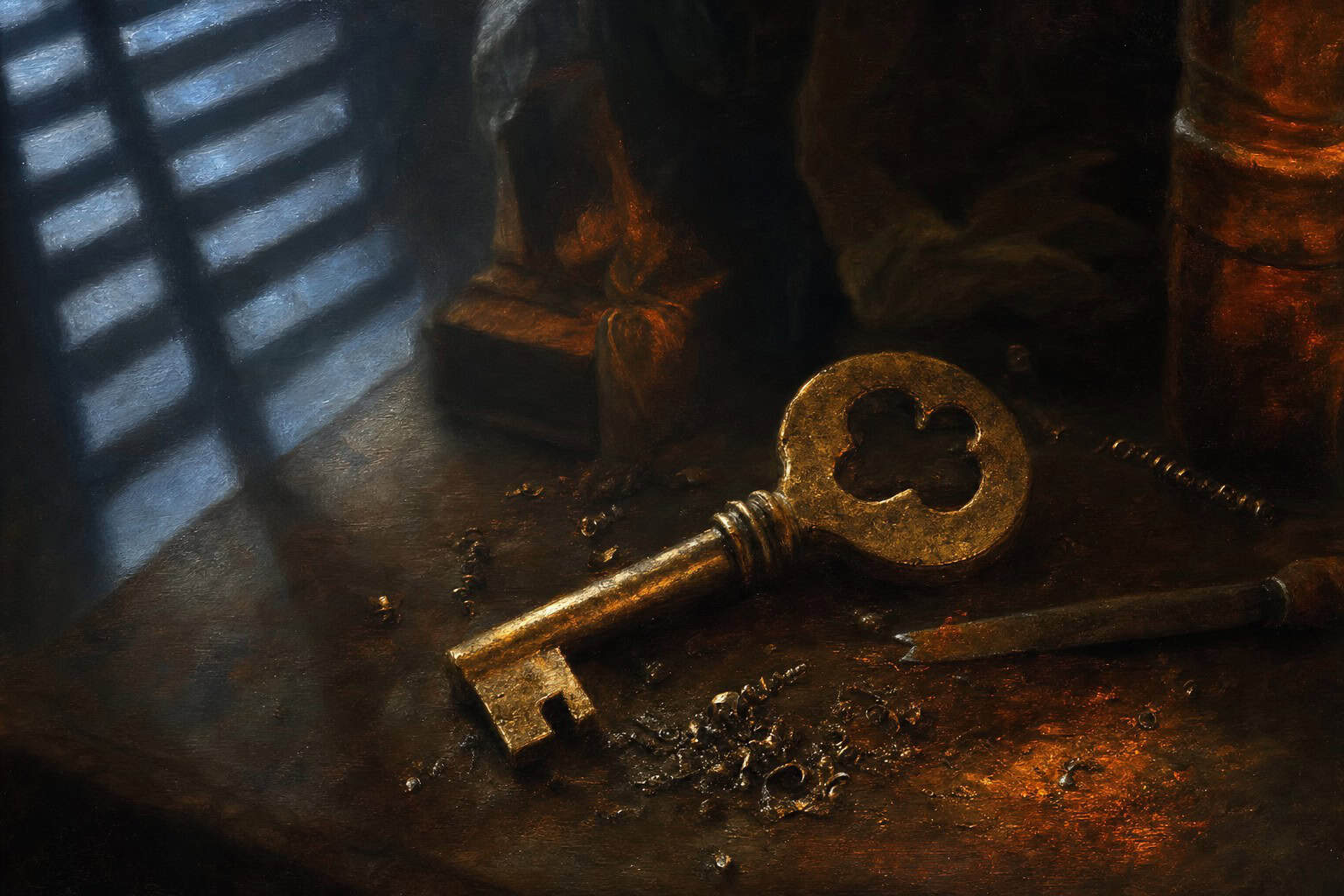
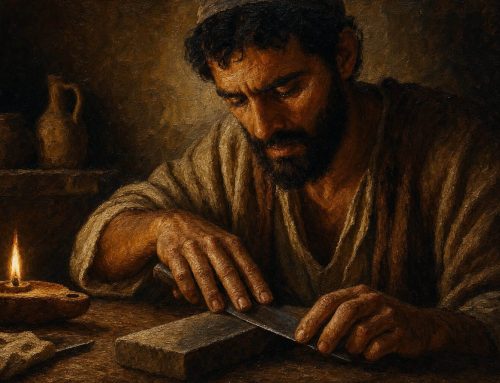
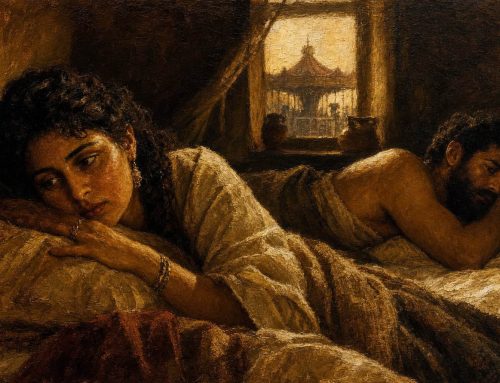
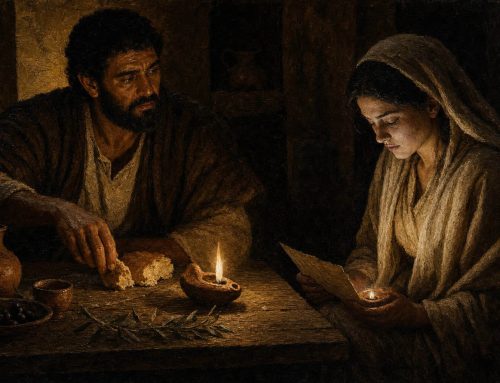
He leans into one more wrong lock, listening for a click that never comes, and never notices how thin the key has worn from being tried in every door but the right one.
Brass Teeth Catching in the Wrong Lock
Cold brass rests in a sweating palm, edges slick from use, not from care. A man leans into yet another lock, metal against metal, listening for that clean, certain click that never comes. The key drags, snags, then slips, its teeth no longer biting the way they once did. He remembers a time when it turned smooth in one clear motion, when his hand did not have to press, jiggle, force. Back then the cuts on the blade were sharp, edges definite, carved for a purpose that felt almost sacred. Now, if he looks closely in the harsh hallway light, he can see the rounded ridges, the softened grooves, as if a thousand tiny files have passed over them. On the floor beneath, barely noticed, are fine metal shavings caught in the cracks of the tiles, a quiet record of every wrong door he has insisted on trying to enter.
The Soul as Metal Shaved by Many Hands
In this passage, that key becomes the shape of the human capacity for union, not only of bodies but of whole selves. The writer lays bare how each casual coupling, each half-hearted entanglement, scrapes away at the inner precision meant for something rare. He does not speak as a distant moralist; he stands with his own key in hand, aware of its damage, tracing the worn teeth with a kind of sorrowing honesty. The claim is severe: what was made to fit one deliberate lock is being offered like loose change at every counter. This is not romance; it is attrition. The heart’s pattern, once capable of recognizing and responding to a particular other, is dulled by repetition with those it was never meant to bind to. The image presses a hard truth: you can exhaust the very instrument you need most by insisting it serve what it was never crafted to unlock.
The Slow Grinding That Feels Like Freedom
The pressure in this scene comes from the mismatch between what the man believes he is doing and what is actually happening to him. At the surface, it looks like choice, like range, like a life rich with options: many doors, many nights, many keys tried. Underneath, the metal tells a different story. Each entry attempted in the wrong lock steals a fraction of the key’s exactness, shaving off the tiny ridges that once made it specific. Pleasure masks loss; noise covers the faint scrape of brass against steel. By the time any sense of damage appears, the harm is already baked into the metal. The passage refuses to soften this. It lingers on the physics of it—the friction, the pressure, the constant insisting twist of the wrist. What feels like expanding possibility is, in the author’s reckoning, an invisible narrowing: the slow, almost silent loss of the power to truly fit anything at all.
Give yourself to every lock and the key wears thin; intimacy spent indiscriminately slowly dulls the soul’s instrument for true connection.
Standing at the Right Lock with a Blunt Key
This is where the metaphor turns on anyone who has ever tried to love with a tired heart and wondered why it would not fully open. The scene imagines the day the correct lock finally stands before you: no neon sign, just a quiet, unmistakable sense that this is the one that matters. Your body knows it. Your memory aches with it. Yet when you slide your key in, there is too much slack, not enough bite. You turn and feel the wobble that shouldn’t be there. Years of treating union as experiment have blunted the tool you now desperately need to be exact. It is not that the other person is defective or that you are cursed; it is that both of you may have arrived with metal already shaved thin. The passage forces that recognition: some of our difficulty in binding is not fate, not mystery, but the accumulated wear of earlier, careless turns.
The Unspent Sharpness That Might Have Been
Beneath the severity lies a quieter grief: there was an original cut. The author imagines a first moment when the key left the locksmith’s bench, teeth crisp, pattern unspoiled, weight clean and sure in the hand. Every groove had meaning then, every notch answered by an unseen lock somewhere in the world. That sense of being made-for is not sentimental here; it carries the weight of command. Gifts are on loan; bodies and souls are lent with an expectation that they be used in line with their design. The tragedy is not only the sin but the waste—the spilling of particularity into a series of nights that do not know what they are spending. Yet the passage does not tell us whether the locksmith will recut, or how metal this thin could be restored. It simply leaves us holding the key we have now, feeling its rounded edges press into our skin as we close our fingers around it.