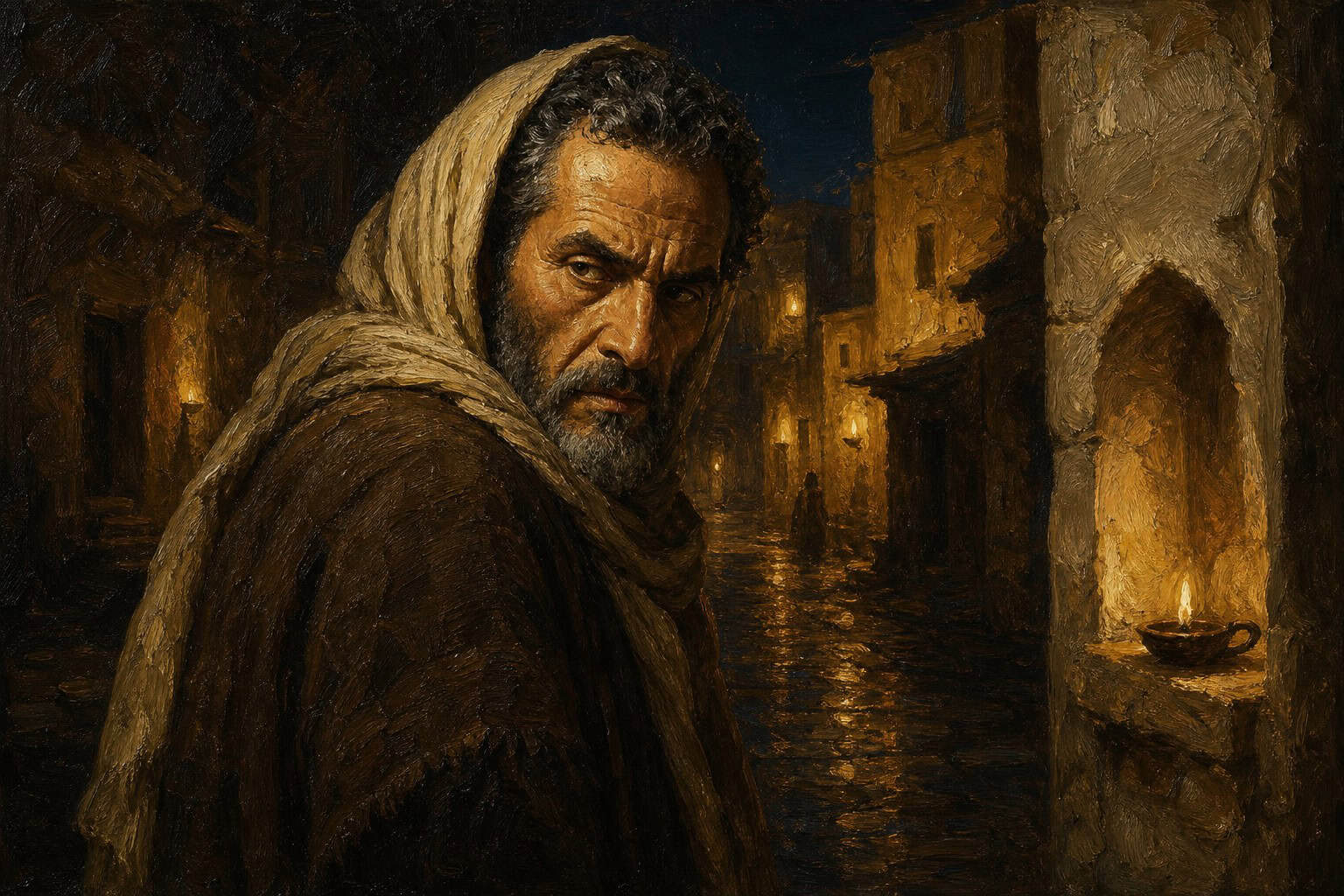
Life after a breakup, read through a memoir’s honest dark: not how to heal fast, but how to stay human when love feels foreclosed.
When the Weights Grew Lighter in My Hands
There was a season, not long after the end, when I punished my body for a crime I could not name. I lifted iron until my arms shook, and I called the shaking discipline, though it was closer to penance for being a fool. The barbell had a cold ring under my palms, and I loaded it heavier than I should have, wanting the strain, wanting proof that I could still bear something. The house grew quiet at night, and I filled the quiet with drink, and the drink filled me with a heat that felt like control. I told myself this was strength, this severe hand I laid on my own flesh. Looking back now, from years away, I see a man scrubbing at a stain that had already set into the cloth, rubbing until the fabric thinned, mistaking the friction for cleaning. In Confessions to the Empty Chair I return to this stretch of Chapter 11, not to excuse it, but to read it honestly, the way an older man reads a letter he wrote in fever and barely recognizes the hand. The breakup had not simply hurt me; it had exposed me. That is the part I could not say then, because saying it would have meant standing still long enough to be seen. What ended was not only a relationship but a picture of myself I had trusted, and when the picture broke I stood in its wreckage feeling watched by my own eyes, found wanting, wanting to cover myself and disappear from the room of my own attention. The anger that first roared in me had a use: it kept the shame at arm’s length, gave me an enemy outside my own chest to point at in the dark. But anger is fuel, and fuel burns down. As the inferno cooled to a smolder, the drinking eased, the barbell sat rusting where I left it, and I was alone with the thing the fire had been hiding all along. I was ashamed. Not guilty in some tidy legal sense, weighed and sentenced, but ashamed in the body, the way you feel when a light snaps on and catches you mid-gesture, hands where they should not be, nothing to say. This is where anyone stands after love ends and the first rage cools. You brace for grief. You are ambushed by shame. You thought the whole question was who wronged whom, and instead you catch yourself asking what kind of man you turned out to be when it counted. I had no answer that first year. I only had the sour gym smell in my clothes, the drink going warm and flat in the glass, and the strange loosening of a discipline that had held me upright, leaving me soft and exposed and unsure what softness was even for.
The Cold Certainty That I Could Not Love Again
The fear that came for me at night was not the one I had braced against. I had readied myself for loneliness, for the ache of an empty half of the bed, for the plain possibility that no one would ever come again. That fear I could have borne; it is ordinary, and the world is full of company for it, whole songs written to keep it warm. What came instead was colder and more exact. I became certain, with the flat certainty of a sum that will not come out any other way, that I had lost the capacity to love at all. Not that loving would be hard, an uphill road I might one day climb. That it was finished in me, structurally, the way a bone heals crooked and never again bears weight the same. I knew too much now. I had watched trust curdle into poison, and I could not unwatch it; the memory sat behind my eyes like grit that would not blink out. The scar on my heart, I told myself, would leak its bitterness into any new tenderness the moment it began, souring the milk before it could ever thicken to cream. Here the honest reading of this chapter cuts close to the bone: some wounds do not ripen into wisdom but calcify into a permanent incapacity, and the damaged heart learns to build its own defense against hope, striking at the very cure it starves for. That is what I had become, a body rejecting its own medicine, spitting out the one thing that might have saved it. I imagined meeting a woman, and I imagined the darkness in me going straight to the darkness in her, recognizing it across a room the way one thief clocks another in a crowd. There would be no clean beginning, no first page. My mind ran the reels forward and cast me again as the one betrayed, and I lay there torturing myself with a faithlessness that had not happened, could not have happened, because there was no one there yet to be faithless. I invented the wound to keep the fresh one company, so it would not be alone. Was this grief, or was it a strange comfort wearing grief’s coat? I have put that question to myself many times since. To decide in advance that love is impossible is, when you turn it over, a way of never having to risk it again. If I am incapable, then I am also excused, exempt, off the hook. Shame does this quiet arithmetic in the dark. It convinces you that hiding is a form of honesty, that low is simply where you belong, that the safest posture is the one where you have already been found wanting so nothing more can be taken from you. I called it realism, and I said it with a hard, level voice. I see now it was only a place to bury my face.
A Prayer Sent Forward to a Woman I Had Not Met
Then something turned, though I will not call it healing, and I have grown to distrust the word rescue. On my late walks, when the streets had emptied and my thoughts had no one left to perform for, I began to pray. I had left the formal Church by then, had exiled myself from the altar for reasons I still hold to be a severe kind of reverence, choosing an acknowledged darkness over a performed light, refusing to lie with my body in a pew when my heart was elsewhere. That self-banishment was not laziness or drift; it was the one honesty left to me, the decision that approaching the holy in bad faith would be a worse violence than staying away. But the private talking to God did not stop; it never stops, whatever we do to the buildings. And the prayer that rose in me on those pavements was strange even to my own ear. I did not ask to be mended. I did not ask for the scar to be lifted or the fear undone. I prayed instead for a woman I had never met, a stranger somewhere in the world, walking her own night, who would one day have to stand in front of all my accumulated darkness and not be leveled by it. Be with her now, I said into the cold. Comfort her. She is going to need it, and she does not know why yet. I was, in the plainest truth I can manage, praying a warning forward through time, folding it like a note and slipping it under a door years from mine. I was asking God to season her, to toughen her, to prepare her to endure me. That is not romance, whatever it dressed itself as. That is a man who has looked hard at himself and does not care for what stares back, quietly arranging for someone stronger to hold the thing he cannot hold alone. I told myself I was being noble, thinking of her before myself. But there was a colder logic underneath, and the older reader in me can name it: I had already conceded that I would be a weight to carry, and I was shopping, in prayer, for a back strong enough to bear the load I refused to set down. Even so, the words were not empty. Something in that reaching outward, past my own ruined chest toward a person I could not picture, was the first movement in months that did not smell of the gym and the glass. It was still self-protecting. It was still a hedge against being seen. But it pointed away from me, and for a man curled entirely around his own shame, pointing away from yourself is not nothing.
Some wounds do not soften into wisdom; they harden into a skill for keeping love out.
Children at My Feet in a Vision Not Yet Painted
The prayer did not stay fixed on the woman for long. It reached past her, further into a future I could not see, and settled at last on children who did not exist. On those same walks the sense of them arrived like a breeze you do not notice until it has already touched the back of your neck, faint at first, then undeniable, then impossible to argue with. I felt them the way you feel a room is not empty a half-second before you find the switch. I began to picture their unmade souls, loving me already from wherever the not-yet-born wait to be called, and the image steadied something that had been shaking in me for a long time. The reading of this chapter names this a kind of rupture, new souls thrown into the world through the flesh of their parents, God’s vision of a painting held whole before the first brushstroke touches the canvas. But in the moment it was simpler and warmer than any doctrine could carry. It was the first thing in a long while that did not taste of shame. Here is the honesty I owe the memory, though, and I will not soften it: was this love, or was it another hiding place with better light? I had already decided I could not feel anything for a living woman who might look at me and turn away. So I aimed my starved tenderness at people who could not yet look back, who could not find me wanting, who existed as pure welcome and no risk at all. Their unformed love felt safe precisely because it was mute; it could not judge, could not leave, could not catch me mid-gesture. I told myself I was enduring the present for their sake and not my own, that I would grant them the hard wisdom I had bled for, the lessons that cost me years and that I could set before them across a single evening’s table like bread I had already broken. It was a beautiful thought, and I still feel its warmth. It was also, I suspect, a way to be loved without ever being seen. And yet I will not throw the whole of it out, because inside that flawed and self-shielding reach, God was walking. Not fixing me. Not lifting me clear of the smoldering ruin and setting me down somewhere clean. Walking beside me in the ruin, present in the breeze on my neck, present in the tears I would not let fall in daylight, letting me feel again through some crack I had left unguarded by accident. That is the pattern I have slowly learned to trust: grace rarely comes to remove the dark. Far more often it simply refuses to leave you alone inside it, sitting down on the cold curb next to you when you cannot stand. Those imagined children did not haul me out of despair. They gave me a reason to keep standing in it one more night, which, some nights, is the whole of the mercy on offer.
What the Smolder Left Behind When It Cooled
I am older now than the man on those walks, and I read him with a mix of tenderness and severity, the way you read anyone you cannot fully forgive and will not abandon. Life after a breakup, if you want the plain answer the searching heart came here for, is not the return of what you lost, freshly delivered. It is learning what you did with the loss, and whether you turned it into wisdom or into a wall you had to live behind. I did some of both, and I still cannot always tell them apart. The scar I was so certain would poison everything did not vanish; the reading is right that some wounds calcify and do not soften. But I was wrong that calcified meant sealed shut. A hardened place can still be lived beside, built around, forgiven daily. The prayers I sent forward, half-warning and half-hope, were not answered in the shape I gave them, and I will not pretend here that they were, because what actually came is the book’s own to tell, not mine to hand away on a page. What I can say plainly is this: the shame that made me want to vanish from my own gaze was, the whole time, the most honest thing left alive in me. It knew I was not whole. It would not let me perform a love I did not yet own. And in that refusal there was a strange, stubborn integrity, a stepping-back that was nearer to true worship than any easy return would have been. I had asked God to be patient with my desire, to lead me toward a future I could neither grasp nor foresee, and He did not answer with a map or a date. He answered with company. He stayed in the smolder when it would have been reasonable to leave. The mood of those years was low and gray, a felt weather that colored every ordinary hour, the coffee and the pavement and the ringing phone all tinted the same dull shade, and I could not think my way clear of it, because a mood is not an argument you can win. You do not reason yourself out of the key your whole life is playing in. You wait. You walk. You pray badly, in fragments, into the cold. And sometimes, if you are given far more than you have earned, the key shifts a half-step, not because the dark has lifted but because you are no longer alone inside it. Confessions to the Empty Chair lives in exactly that half-step. If you have stood in the wreckage and quietly decided that love is finished in you, this is not the book that promises the fix is quick. It is the one that lowers itself onto the rubble beside you, close enough that your shoulders touch, and does not flinch at what it finds there.