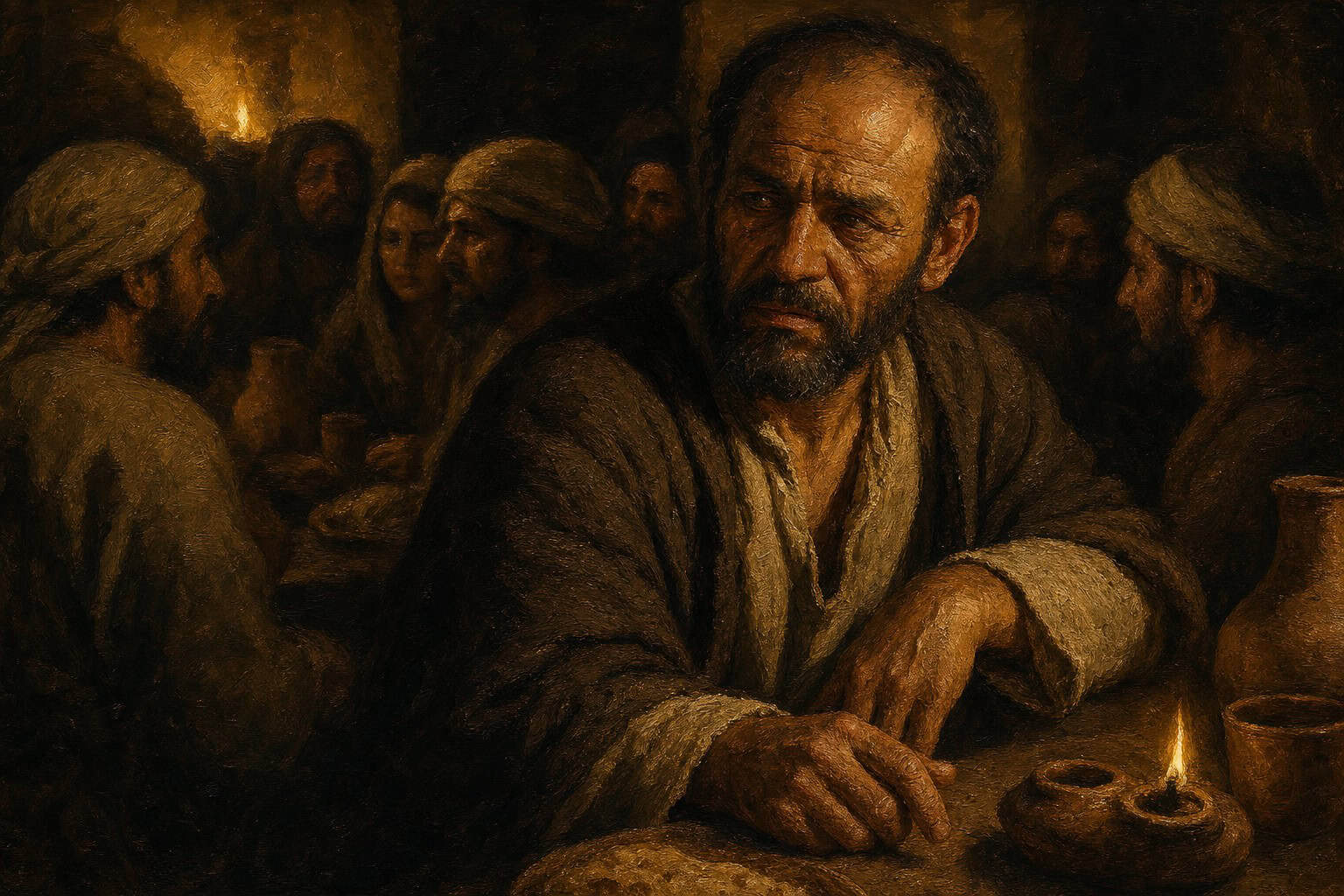
Why do you want to hook up when you’re lonely? A raw, honest reflection on desire, loneliness, and what the body reaches for when the heart is starving.
The Full Room Where No One Is Fed
You are asking why you want a warm night with a near-stranger whenever you are lonely, and that is an honest question that deserves an honest answer. So let me start where the honesty begins: in a crowded room where a person still feels alone. Picture it plainly. There are voices, laughter, the clink of glasses against teeth, hands touching shoulders, faces that know your name and want your attention. Someone leans close to tell you a joke and their breath is warm on your ear. And still there is a hollow under your ribs, a small cold place that all that noise cannot reach, a spot that stays chilled even while your skin is flushed from wine and company. This is the strange thing about loneliness. It does not need an empty house to grow. It survives inside abundance, inside distraction, inside the very crowd that promised to cure it, the way a stone stays cold at its center no matter how many hands warm its surface. In Fractions of the Soul, the narrator watches how people keep others close the way a person keeps a fire fed against a long winter—not to know them, but to not be left with themselves. He sees it in the women he desires, the ones held in a kind of friendship cage, close enough to want and never close enough to lose. He sees it in the men who circle beauty like insects circling a flame, willing to burn for it, willing to carry the weight of a whole life for the sake of it. And he sees it, most severely, in himself. The casual hookup lives right here, in this hollow. It is not usually a crime of the body. It is a solution the body offers when the soul is afraid, a quick warm answer to a slow cold question. You come home from the party and the cold place is still there, and someone’s shoulder, someone’s warmth, someone’s yes for a night feels like it might finally fill it. It rarely does. This is not a lecture about sin dressed in cheap disgust. It is a slower, harder look at what we are actually reaching for when we reach. The narrator refuses easy comfort. He does not condemn the reaching, because he knows the appetite from the inside, in his own hands and his own long nights. But he names the thing under the appetite, the famine that no meal on that particular table will feed. Before you can answer why loneliness sends you looking for a hookup, you have to sit in this room with him and feel the specific ache—the fullness that is somehow starvation, the many faces that leave you unseen. That ache is the real question. The bodies are only where it goes looking. So admit this quietly first: you may not be asking about sex at all. You may be asking how to survive being alone with yourself.
The Body Says Yes While the Soul Goes Hungry
Here the tension gathers, because the appetite is real and desire is not a lie. The longing of the body for another body is one of the truest things we carry. We are made to reach, made to want union, made to press close and be held and known through the skin, to feel a warm weight against us in the dark and believe for a moment that we are not alone in the world. The narrator does not pretend otherwise, and neither will I. Desire is holy ground; it is not the enemy in this story. What he watches, with a painful clarity, is how easily that true longing gets pressed into service for a different, hungrier need. A person can know how to make love and not know how to be alone. A person can be fluent in touch, skilled at drawing another close, and completely illiterate in solitude, unable to sit ten minutes in a quiet room without reaching for a screen or a voice or a plan. And the two skills do not save each other. The first cannot teach the second. This is the trap the passage circles. You reach for the next warm night not because you have fallen toward someone, but because you have fallen away from yourself, and their body is the nearest thing to catch you. The other person becomes a solvent, a dose, a medicine taken against the fear of standing alone. And medicine taken for the wrong sickness does not heal; it only quiets the symptom long enough for the disease to deepen. Notice, too, what happens between the two of you in this arrangement. Each of you is a whole consciousness, a whole inner world lived from the inside, with a history and a grief and a name for God or the lack of one. But in the hookup that is really a hiding place, you do not meet that world. You use it. Not cruelly, maybe not even knowingly—but you borrow the other person as a wall against your own emptiness, and they borrow you the same way. Two lonelinesses lie down together and call it closeness. In the gray morning nothing has been fed; you are hungrier, if anything, and now the hunger has a face you will try not to remember. Here is the thing worth sitting with. You can lie beside someone warm and generous and open and still feel absolutely nothing, a cold blankness where the tenderness should be, because feeling love is not something the other person does to you. It is something that has to flow out of you, and a frightened heart clenched around its own famine cannot flow. That is the quiet horror of it. The problem is not that the other person is not enough. The problem is that you brought no one to the meeting but your fear. So the appetite says yes, quickly, hungrily, and the deeper self stays hidden and starving behind it, watching from somewhere far back in the eyes.
The Common Denominator You Keep Fleeing
Then comes the turn, and it is not comfortable. The narrator looks back across all his reaching, all his falling toward one person and then another, and he finds the same face waiting in every scene. His own. This is the revelation that changes the question entirely. He had told himself the ache was about the women—about the one who turned from him, about the one who left, about the next one who might finally stay. He had built a whole private theology around it, a cold little system, treating each new lover as a defense, a dose taken against the dread of being abandoned again. And then it broke open in front of him like ice giving way underfoot. The wound was not that they left. The wound was that he could not stand alone, and every departure only tore the bandage off that terror and showed it to him raw. The person you keep meeting in every bed and every heartbreak is you. That is the common denominator you have been fleeing from party to party, from name to name. You change the faces because changing the faces is easier than facing the one thing that never changes. Each new body is a way of not staying in the room with yourself long enough to hear what the quiet would say.
We reach for another body because we cannot yet bear the terror of our own company.
And this is where the passage grows almost unbearably serious, because it names what that quiet holds. The divine speaks in a frequency that noise drowns out. God whispers in the empty room, in the long unfilled evening, in the very loneliness we are so frantic to bury under company. Fill it fast enough, often enough, with enough warm distraction, and you will never hear the voice that was trying to shape your soul from the inside, the whisper that only comes when nothing else is speaking. This is the cost that no morning-after regret quite captures. It is not only that the hookup leaves you empty. It is that the reflex to reach keeps closing the one place where you might finally be met—not by another frightened person, but by the God who waits in exactly the emptiness you dread most. And here is the strange grace the narrator stumbles into, the thing that keeps this from being a sermon of despair. God does not wait for you to clean yourself up first. He does not appear only after the reaching stops and the wounds heal. He is already there, down in the cold place under your ribs, present in the very loneliness you have been running from, walking beside you inside your fear and your failure, not scolding, just near, near enough to feel His breath in the dark. The quiet you dread is not empty. It is where He has been standing the whole time.
We reach for another body because we cannot yet bear the terror of our own company.
What the Morning Leaves in Your Hands
So now the fallout, and let me be careful here, because it is easy to turn this into contempt and I refuse to. If you have been living this way, reaching from body to body, night to night, you are not a monster and you are not broken beyond care. You are hungry, and you have been trying to eat with the only hands you had. The narrator will not stand above you and sneer down at your mess. He cannot. He is in the same field, kneeling in the same dirt, and he knows his own reaching far too well to pretend he watched it from some clean high place. What he offers instead is harder and kinder than judgment. He offers you the truth that healthy love does not bind two people into one frightened knot, two drowning swimmers dragging each other under. Real love does the opposite. It sharpens you for your own aloneness rather than saving you from it. Think of the stone that sharpens a blade. The stone does not exist to keep the blade forever pressed against it, grinding in place. The stone exists to make the blade ready to cut on its own, out in the wide world, apart and alone and equal to its work. That is not cruelty. It is the highest form of care, and it means every true bond carries inside it, from the first day, a quiet preparation for solitude. This reframes what you actually want. You think you want someone to end your loneliness for good. What you need is to become someone who can stand in loneliness without terror—and only such a person can love another without devouring them, without clutching them like a plank in deep water. The casual hookup, more often than not, moves you the wrong direction. It drills the reflex of fleeing deeper into you. It teaches your body that emptiness is an emergency to be solved with another person, right now, tonight, before the quiet can say anything. And so it makes you less able to love, not more, because it never lets you learn the one skill love is actually built on. This is not a rule handed down to all people in all circumstances from the beginning of the world. The narrator says plainly he holds no key that fits every lock, and neither do I. People differ, hearts differ, dispositions and seasons differ, and God knew each of them before any of us drew breath. Some readers will feel this land in the chest like something they already carried and never named. Others will honestly not, and they should trust their own truth. But if you typed the question at all, some part of you already suspects the answer. You feel the weeds crowding the field of your own heart. You know something needs pulling. And you know, quietly, that no borrowed warmth has ever once done that pulling for you.
Learning to Be Fed by the Quiet
Where this settles is not in a rule but in an invitation, and it is gentler than everything that came before it. You do not have to answer the whole of your life tonight. You only have to try one strange, difficult thing: stay in the room with yourself a little longer than is comfortable. Do not reach for the phone, the party, the next warm yes. Sit in the loneliness you have spent so long outrunning and let it be loud for a while. It will feel like famine. It may feel like the small cold place under your ribs is opening into something bottomless, a hunger with no floor. But this is exactly the ground where the narrator discovers he was never as alone as his fear kept insisting. God was in the empty room the whole time, not as a rescue that sweeps the darkness away in a bright instant, but as a presence walking through it beside him, near enough to hear the smallest breath, near enough to weep with, near enough to begin the slow work of making him someone who could love without clinging. Miracles come, but they come rarely, and they never arrive to spare you the walk. What comes far more often is simply company in the dark. That is the harvest the book keeps reaching toward. Not a scolding about your body. Not a tidy moral to tie the ache off and send you home satisfied. Something slower and truer: the possibility that the solitude you dread is the very place your soul gets built, plank by plank, and that a person who has learned to be alone with themselves can finally meet another person as a person—not a solvent, not a dose, not a wall against the dark. Why do you want to hook up when you’re lonely? The honest answer this book presses toward is that the hookup is the body’s quick warm answer to the terror of your own company, and it usually feeds the wrong hunger and starves the right one. But the deeper answer is that the question itself is a way into your own interior, and the narrator has already walked that long corridor ahead of you, keeping nothing back about how badly he stumbled through it, how many faces he used, how many mornings he woke emptier than the night before. If you want the whole of that reckoning—the specific people, the specific failures, the tender and terrible things he refused to see until he could no longer look away—they are waiting in the chapters themselves. What I can tell you now is this. The warmth you keep reaching for at night will not fill the cold place; it never has, and something in you already knows it. But there is a fullness that arrives from an entirely different direction, rising up out of the quiet you have been fleeing, and it does not pack its things and leave by morning. This is the account of a man learning, slowly and against his own will, to stop reaching long enough to be found.