Ways to be quiet when you’re outmatched: how one memoir turns silence into survival, and then into slow, hard-won speech.
Squeezing Through After the Music Started
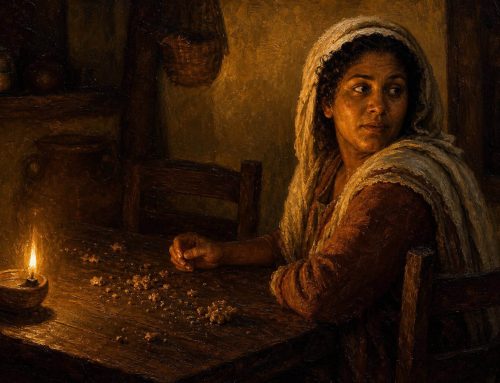
There are rooms you enter after the song already has a rhythm, and your feet do not know the count. In the seventh chapter of Confessions to the Empty Chair, the narrator walks into a college classroom carrying the whole flat plain of a West Texas football town on his back. His new classmates came from Catholic high schools that spanned the country, and their freshman courses only deepened what they already half-knew. They had shaken hands with Plato and Aristotle years ago. He had not. He describes the feeling exactly: a late arrival slipping through the door once the music has begun, trying not to trip on a beat everyone else already knows. That image does the work of a hundred explanations, because it is not really about a party at all—it is about a body that suddenly cannot find where to put its feet. His skin registers the gap before his mind can name it, and so does the air, which grows heavier in a place where he does not belong. He measures his old town’s worth in yardage, not in pages, and now pages are the whole economy, the only currency that counts. He does not have it yet. He can feel that lack the way you feel a cold coming on, in the joints, in the breath. If you have ever searched for ways to be quiet, you likely know this pressure in the chest, this instinct to shrink small enough that no one will call on you, so invisibility might buy a little time. He studies their easy talk the way a hungry man studies a menu he cannot afford, reading the words, pricing each one, ordering nothing. The tenderness of this scene is easy to miss, because the narrator does not offer it to himself. He treats his own slowness as shame, plain and simple. But read it gently and you see a boy doing the only sane thing left to him: he grows still, he watches, he begins to learn the language of a room he was never meant to enter. Silence here is not laziness and not sulking. It is the first move of a person who wants to survive long enough to belong. The mood he is thrown into colors everything—the wooden desk, the reading list, the effortless chatter around him that he cannot join. He did not choose that mood. It settled over him like weather he had to live inside. And beneath it runs a question he will spend the chapter refusing to answer plainly: was his quiet a real wisdom, or a wound he had learned to call wisdom so it would hurt less? The scene will not settle it for him yet. It lets it sit there, unfinished, on the desk between the books.
Names That Toll Like Bells for Old Confidence
The reading list arrives like a summons he cannot refuse. Philosophy 1301 demands Plato, Aristotle, and Thomas Aquinas—names he had never once met on a page. He writes that each name tolls like a bell for an old confidence, and the phrasing matters, because a bell does not argue with you. It simply sounds, and the sound is final, and you feel it in your teeth. His literature course wants the whole of Homer and Virgil in the original, not the tidy excerpts high school served him back in ninth grade. Where he once read parts of one epic, now he must take in four, five, even six dense books cover to cover, across every class, every single semester. Thirty to fifty pages a night. Two-page papers in strict twelve-point type, double-spaced, no room to hide. The professors are not cruel, but they are exact: they insist that a person understands material only after he has explained it clearly to someone else. Explanation is the real tuition here, and it is paid in a currency the poor do not always carry—command, clarity, the nerve to speak with authority about what he has barely begun to hold in his hands. This is where the tension gathers and pulls tight. His old private idea of himself, the clever boy who could write his way out of any corner, meets a wall that will not move for him. The wall does not insult him. It just stands there, massive and calm, and his confidence cannot bear the weight of it. What sharpens the fear is the professors’ easy multilingualism, the way they crack open a Greek or Latin root as if reaching for a familiar tool on a shelf. To him it is fascinating and terrifying at the same time, a display of ease he can only stand outside of, nose against the glass. And still, in all of this pressure, there is a stubborn spark in him that refuses to bow. Watch how he holds two things at once, both real, neither canceling the other: honest fear and honest refusal. He does not pretend the fear away. He does not let it win, either. He simply keeps turning pages under a lamp while his stomach knots. The older narrator, looking back on the boy, seems to reconsider what this whole initiation actually was. Was it plain humiliation, or was it a strange mercy dressed up as difficulty—a breaking meant to remake him into someone who could carry weight? He does not decide too fast. He refuses the tidy verdict. He sits in the not-knowing, letting his pen keep speaking while his courage slowly learns the accent of the room. The quiet is still doing its patient work, but you can feel it starting to strain against something new growing underneath it, something that wants out.
Letting the Pen Speak First
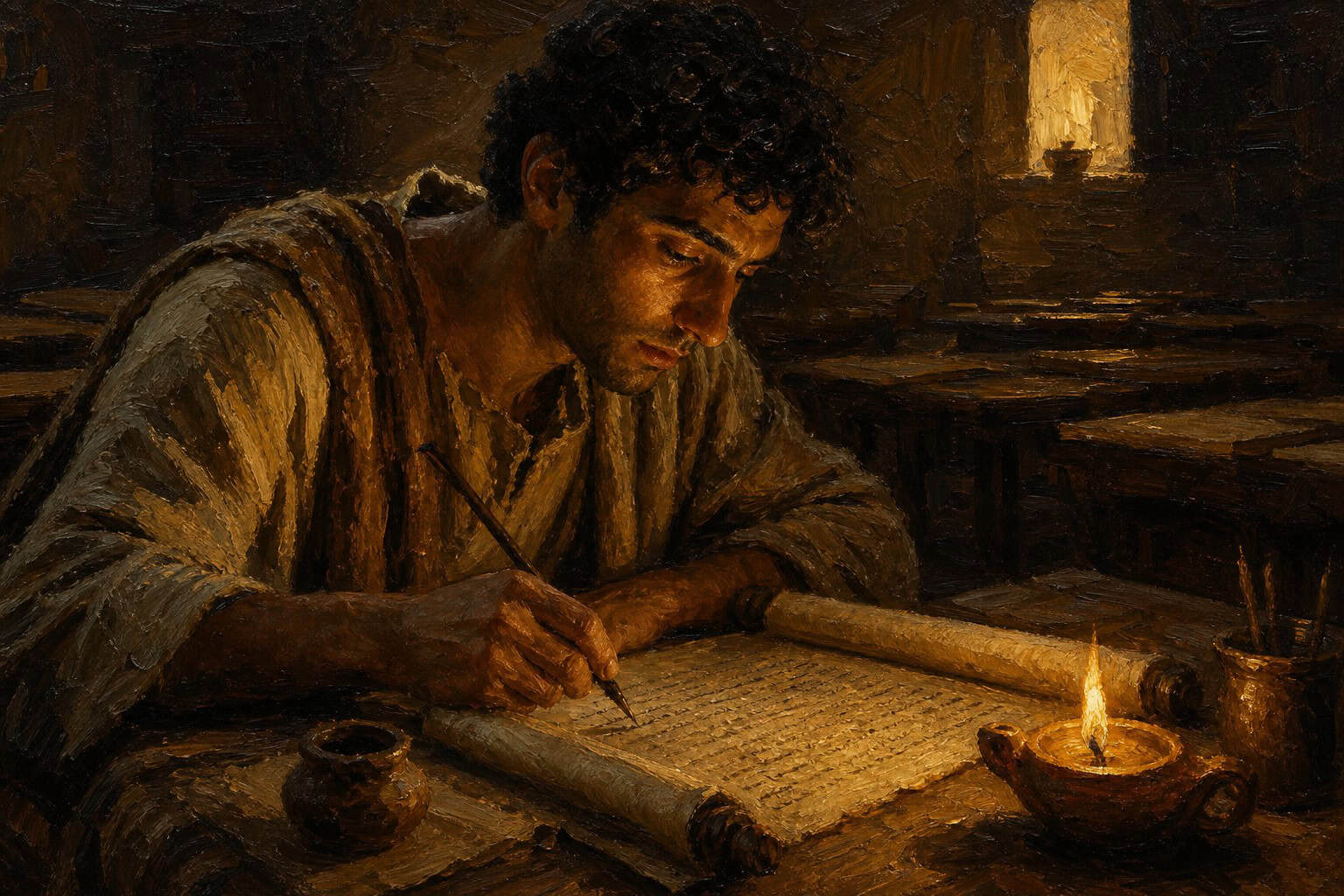
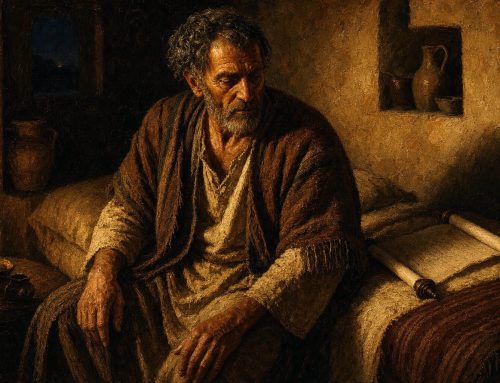
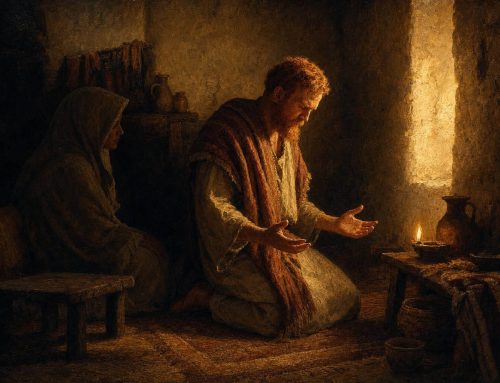
Here is the turn the chapter offers, quietly, without any fanfare. He does not force himself to talk. He lets his pen speak for him until his courage learns the language of the room. That single small decision reorders everything around him. He is not silent because he has nothing to say. He is silent because speech, right now tonight, would only mark him as the outsider he already fears he is—and so he moves his voice onto the page, where he has a little ground to stand on. Writing comes before speaking when shame governs the throat. This is not cowardice, whatever he calls it. It is the oldest wisdom of the uninitiated: become a scribe before you dare to become a speaker. Copy the forms. Learn the rhythm by writing it down first, in your own hand, before you try to say it aloud in front of the ones who already know it by heart. The tenderness of this moment, if you let yourself feel it, is enormous. A frightened boy finds a way to keep taking part in a world that intimidates him, without exposing the soft, provincial part of himself he has been taught to despise. And here, faintly, the book’s spine shows through. God does not lift him out of the fear. There is no lightning, no sudden fluency, no rescue from the plain misery of being outmatched. Instead there is a nearness inside the difficulty—a companionship in the very act of staying, of reading the thirty pages when he would rather flee, of writing the two, of choosing quiet not as a small death but as patience. The despair is not cheapened here. The wall is still a wall. But something walks with him along the base of it, step by step, in the dark. The searcher who typed ways to be quiet may have wanted a trick, a strategy, a way to straighten the spine. What this scene gives instead is permission: your silence can be honest labor. It can be the ground where courage grows slowly enough that you do not shatter on the way up. The pen carries what the mouth cannot yet carry. And the older narrator, telling all this, seems at last to forgive the boy he was—the one who made himself small, who studied menus he could not order from, who let the town’s arithmetic of yardage sit heavy on his chest. He does not mock that boy. He recognizes him, the way you recognize your own face in an old photograph. That recognition is the real revelation of the chapter: not that silence is noble, but that a person can be tender toward the frightened self who chose it, and can finally name the difference between quiet that hides and quiet that prepares.
Before shame will let you speak, it will make you a scribe; the pen learns the room before the throat dares to.
The Slow Cost of Being Remade
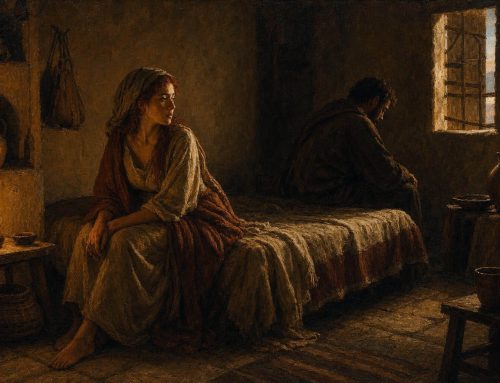
After the turn comes the reckoning, and it is not clean or quick. Choosing to let the pen speak first buys him time, but time is not the same thing as belonging. The narrator keeps reading his fifty pages a night. He keeps writing his careful papers, chasing the clarity the professors demand, the kind of clarity that proves you have command over the material and not merely brushed against it. And the fallout here is mostly interior—the grinding, unglamorous work of a person being broken and remade by red ink and hard old books. There is no scholarship for the intellectually starved except endurance itself. That is the honest cost, and the chapter refuses to soften it into something prettier. What lingers is a question he keeps circling without ever closing: what did his silence protect, and what did it quietly cost him? Every day he stayed quiet, he kept himself safe from exposure. But he also stayed a stranger one more day. He watched the ease of the others and studied it like a foreign tongue, and there is a loneliness in that watching he does not fully admit at the time, a hunger he keeps pushing down. The older self, reconsidering, seems to wonder whether some of that quiet was wisdom and some of it was only fear wearing wisdom’s borrowed clothes—whether the boy who made himself small was truly surviving, or slowly agreeing with the town that measured him in yardage rather than pages. He does not answer. He holds both open. And running under all of it is the tenderness again, sharper now because it costs him something to feel it. To be gentle with that frightened, provincial boy is to admit how badly the world had already taught him to hate his own origins. The air that grew heavy in the elite room was never neutral. It carried a message about who mattered and who had arrived late through the side door. The narrator, looking back, refuses to hand himself the easy comfort of saying it all worked out fine in the end. Some things did not work out. Some of the smallness stayed lodged in him. But even here, in the wreckage, God is present—not as a fix that erases the difficulty, but as the quiet company inside the long labor of becoming a person who can finally speak. The presence is in the staying. It is in the tears over books that will not open easily, in the pen moving across the page late at night, in the stubborn spark that would not bow no matter how the bell tolled. Nearness, not rescue. That is the register the whole chapter keeps faith with.
When the Room Finally Learns Your Accent
What settles at the end of this passage is not triumph but a slow, earned patience. The narrator has shown us a man who used silence as his first theology—not prayer, exactly, but cover, a way to keep breathing in a room that did not expect him. And the quiet gift of the scene is that this silence turns out to have a direction after all. It is not a grave. It is a workshop, cluttered and lamplit. The pen speaks until the throat can, and the throat learns the language of the room by first writing that language down in his own uncertain hand. If you came here searching for ways to be quiet, the book hands you something truer than a technique. It hands you a companion—a boy who felt slow, late, underdone, who studied codes like a hungry man over a menu, and who discovered that quiet endurance was itself a kind of faithfulness. The despair is not cheapened into a neat lesson. The wall stayed a wall. The town still measured worth in yardage, and no chapter erases that. But something met him inside all of it, walked beside him in the very fear, and did not require him to be fluent before it would stay. That is the striking thing about this stretch of Confessions to the Empty Chair—the way it refuses both easy comfort and easy contempt at once. It will not tell you your silence is heroic. It will not tell you it is shameful either. It sits in the honest middle, where a frightened person does the sane thing, and where grace turns out to be nearness rather than rescue. The narrator’s older voice keeps turning the lens back on himself, asking what he refused to see, what he did with his fear, whether he was guarding a wound or quietly nursing it. He does not tie it off with a bow. He leaves the questions open on the desk beside the unfinished reading, the lamp still burning. And that is exactly why the book pulls you forward, off the edge of the page. You want to know what the boy becomes once the pen has finished teaching the throat, once the room finally learns his accent and stops sounding like a foreign country. You want to know whether the tenderness he offers his younger self can hold, or whether the smallness wins in the long run. The chapter will not spoil it for you. It simply lets you feel the pull of a life being remade in the dark, one page at a time, and leaves you leaning hard toward whatever comes next, wanting the whole of it in your hands.