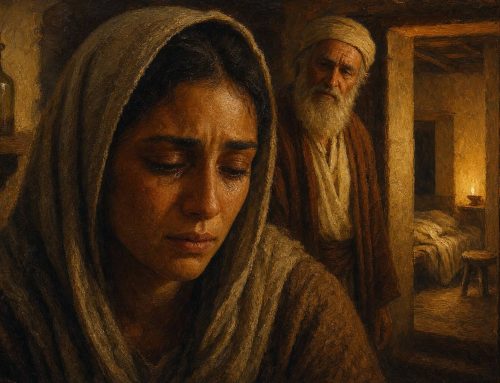
You will feel whole again — but not the way you hope. An honest reckoning with the ache for wholeness, the loneliness woven into you before any fall.
The Half-Bed and the Cold Second Pillow
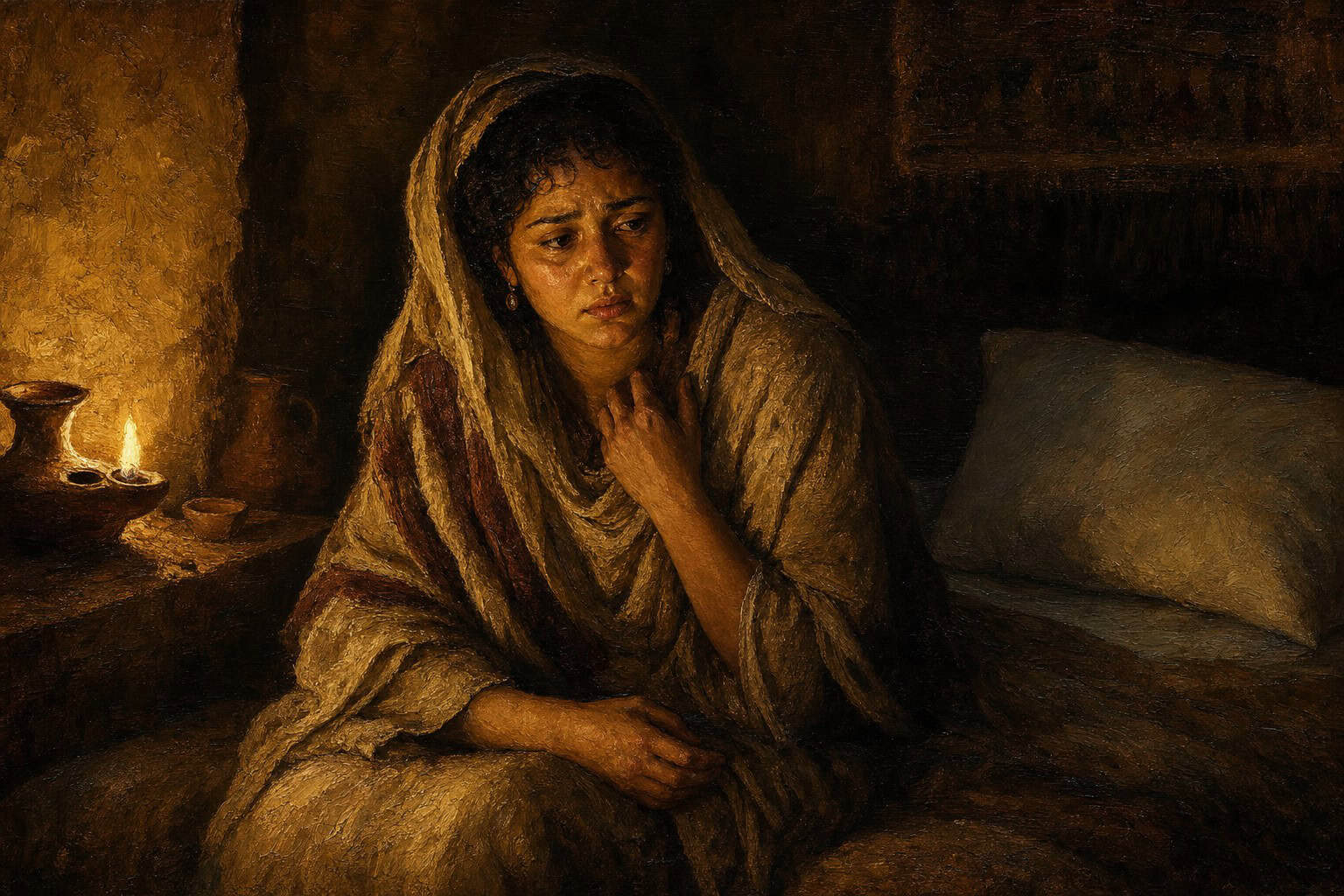
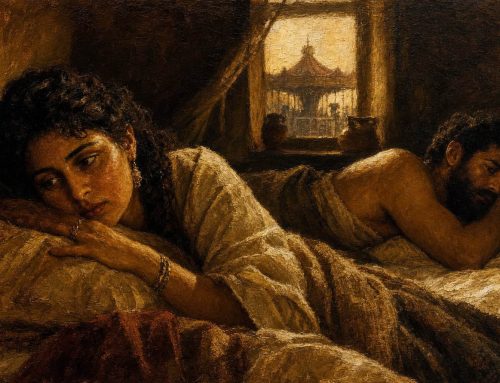
You remember the night it started, though you would not have called it a start then. The apartment was quiet in the wrong way, the kind of quiet that has a texture, that presses on the ears. You lay on your side of a bed too wide for one person, and the sheets on the far side kept the flatness of undisturbed cloth. Your hand traveled across the cold second pillow out of habit, the way a tongue finds the gap where a tooth used to be, seeking the thing that is gone and finding only the smooth absence where it lived. That was when the thought arrived, small and reasonable, almost kind: someday you will feel whole again. You did not question it. You held it the way a sick man holds a promise from a doctor he wants to believe, gripping it against the dark because the alternative was unbearable. Whole again — as though wholeness were a country you had once lived in and could return to with the right visa, the right person, the right amount of time. But sit inside that word now, in your own body, in your own dark room, with the streetlight bleeding gray through the blinds. When exactly were you whole? Name the year. Name the season. Name the afternoon you felt no lack. You cannot, and the not-being-able-to is its own quiet terror, a floor giving way beneath a floor you thought was solid. The ache you carry is older than any breakup, older than the friend who stopped answering, older than the parent who died before you finished the sentence you meant to say to them. It runs beneath every relationship you have ever entered, the way water runs beneath a house, unseen, patient, undermining the foundation while you decorate the rooms. You have blamed the wrong people for it. You have blamed yourself for it, which is worse, because self-blame at least feels like control. And here you are, palm flat on a cold pillow, having made a bargain with a future you have no power to keep and no right to sign. The promise soothes because it postpones. It lets you avoid the harder question, the one that waits in the room with you and does not leave when you turn out the light. What if the hollow you feel is not a break in you but the truest shape of you? What if it was there before the loss you keep circling, before the sin you keep confessing, before you were old enough even to know the word for what you were? You lie still and let the house settle its old bones around you. The cold pillow does not warm. You want to be told the ache is a symptom. You suspect it is the design.
Cataloguing the People Who Left, as if the List Were the Wound
By day you keep busy, and the busyness lies to you kindly, the way a fever tells the body it is doing something. You answer the messages before they can pile up. You make the coffee and watch the steam curl and disappear. You perform the ordinary competence that convinces the world you are fine, and some mornings it nearly convinces you. But the accounting runs underneath all of it, a ledger you keep without meaning to, a column of names that lengthens in your chest. You total up the people who left. You assign them percentages of blame, this one sixty, this one forty, this one all of it. You replay the conversations, and in the replay you are always more articulate, always closer to the words that would have made them stay, always the wronged and reasonable one. This is a kind of madness with good manners. It feels like healing because it feels like effort, and effort is the only virtue you trust anymore. You tell yourself you are processing, that understanding the past will free you from it, that if you can just name what went wrong you will finally close the account and feel whole again. But notice what this quiet work actually does. It keeps the source of your wholeness located outside you, in other people, in their choices, in their failure to give you what you were sure you needed. As long as the problem is them, the solution is also them — someone new, someone better, someone who will not do what they did. So you scan every new face across every table for the missing piece. You audition strangers for a role you have not admitted you are casting, weighing them against a vacancy you keep hidden even from yourself. And they feel it, believe me, they feel it — the weight of your expectation, the hunger that has nothing to do with who they are and everything to do with the hole they are meant to fill. Evil learned us this way once, not by reading the secret mind but by watching the body, the pattern, the words spoken aloud across a garden. Your hunger is legible. It shows in how you lean in too fast, how you give too much too soon, how you flinch when they pull back. You have loved people this way and called it love. You have needed them so badly that you never actually saw them, never met the person, only the position they filled. That is the part you avoid in the ledger. You keep the column marked their fault fat and full, and the column marked what I did with them thin and blank as unmade bed. But who were they to you, really? Were they persons, similar to you and gloriously different, or were they applicants? Did you offer your soul, or did you extend a job description with a vacancy carved at the center? The question does not condemn you. It simply asks you to look, in daylight, at what your loneliness made you do to the ones who came close. The ledger will never balance. It was never an accounting problem. It was a hunger dressed as arithmetic, and you have been feeding it the wrong food for years.
The Ache Was Woven In Before Anything Broke
Then comes the turn, and it does not arrive as comfort. It arrives as a demotion of your whole theory, a quiet dismantling of the machine you built to save yourself. What if the loneliness was never damage? What if it was built into you from the start, laid into the frame of your being before any loss touched you, before you were old enough or living enough to be wounded at all? Consider it slowly, because it changes the shape of every year you have lived. The oldest account we have of a human being alone describes a man who lacked nothing except another. He was without sin. He walked with God directly, face to the maker, no veil between them. And still there was a hollow in him, a space already shaped for someone not yet made, a room in the heart standing empty and waiting. That space was not a flaw in the design. It was the design. The hunger for the other came before the fall, before the poison entered the fruit, before anything in the world went wrong. Which means your ache is not proof that you are broken. It is proof that you are human, made in the oldest pattern, carrying a hollow that predates every failure you have blamed it on. Sit with what this costs you, because it costs plenty. You wanted the ache to be curable. You wanted wholeness to be a state you could reach and then keep, like a fever that finally breaks and leaves the body cool and clear. But if the hollow is original, then no arrival closes it for good. The other person does not fill it once and forever, no matter how right they seem. They meet it, they warm it for a season, they lay their body and their words alongside yours in the dark — and then the ache returns, because the ache is not a wound that heals but a shape that stays, individuated in you, particular as your own face. This is the reckoning you have been avoiding while you kept the ledger and scanned the faces and made your bargains with time. You are not owed wholeness. You were never promised the other who fills the space would come, or stay, or be enough. God carved the hollow and did not sign a contract to fill it Himself. The hollow in you is not a wound to close but a shape God carved, waiting for someone He never promised would come. That sentence takes something from you. It also gives something back, quietly, if you can bear to receive it with open hands. Your need is not weakness. Your hunger is not shameful. The ache you have spent years trying to medicate with new people and old memories is the purest thing in you, the mark of the maker’s own hand pressing into wet clay, the proof that you were made for communion and not for the sealed, self-sufficient solitude you sometimes pretend you want when the wanting gets too heavy to carry.
The hollow in you is not a wound to close but a shape God carved, waiting for someone He never promised would come.
What Stays When the Bargain With the Future Dies
So the promise dies, the one you made on the cold half of the bed with your hand flat against the linen. You will feel whole again turns out to have been a false medicine, the kind that treats the calendar and never the condition, the kind that keeps you docile by keeping you waiting. And in the space where that promise used to sit, something rawer settles in and refuses to leave. You are mortal. The hollow will be with you until the day you die, and the day you die is a real date, unmarked but fixed, moving toward you at the speed of every ordinary morning. Let that land in your body, not as despair but as plain fact, the way cold water is fact. You do not have unlimited seasons in which to get this right. The friends who might still meet you across the ache are aging too, their faces changing in the photographs, their patience finite. The conversations you keep postponing have a last date you cannot see and will not be warned about. Your limits are the frame the whole thing hangs in, and your limits are exactly what the fantasy of eventual wholeness lets you forget. When you believe wholeness is coming, you spend the present treating people as auditions for a future that will fix you, holding back your real self for the arrival that never comes. When you accept that no future fixes you, the present changes character entirely, almost violently. The person across the table stops being an applicant. They become someone as hungry and as mortal as you, another creature carrying their own hollow, similar to you and different from you, apprehended at last as themselves and not as a solution. You can meet them there, in the shared incompleteness, in the environment of your mutual lack, without demanding that they complete you first. This is not the wholeness you wanted. It is stranger and, God help you, better. It is the discovery that two unfinished people can still be gift to each other, that communion does not require either of you to be filled before you begin. And here is where God is found — not as the rescue you begged for on your knees, but as the one who walks beside you in the very hollow, present in the ache He carved, near in the dark He will not remove. He does not close the wound. He accompanies it. He sits in the room that stays empty and is somehow not empty for His sitting there. That accompaniment is not a lesser thing than the cure you wanted. It is the thing itself, the deeper answer to a prayer you prayed wrong. The tears that fall into the cold pillow are not falling into an empty room after all. Something is there, quiet, not fixing, not explaining, simply present in your incompleteness as though your incompleteness were holy ground. Because it is. The hollow is where you were made to receive. A whole man, sealed and self-sufficient, would have nowhere left to be met, no open place for either the other or the maker to enter.
The Cold Pillow, Held Differently Now
You return to the bed, because you always return to the bed, and the second pillow is still cold under your hand. Nothing about the room has changed. The apartment is still quiet in the wrong way. The gray light still leaks through the blinds and lies in stripes across the empty half. No one has come to fill the space, and no one is on the way tonight. And yet you hold the cold pillow differently now, or you begin to, your fingers resting on it without the old grasping. It is no longer evidence in a case you are building against your life. It is no longer a placeholder for the future arrival that will finally make you whole. It is just the shape of your hunger, made visible in linen and dark, and you have stopped being ashamed of the shape. This is not resignation. Resignation would be giving up on communion altogether, deciding to want no one, sealing the hollow shut with pride and calling the numbness peace. That is the safer sickness, the choice of the slow tumor over the terror of the cure, and you have flirted with it in your bitter hours, told yourself you were done needing, done reaching, done being disappointed. What you are learning instead is harder than resignation and softer than the old grasping, and it does not photograph well or make a tidy story. You are learning to carry the ache without demanding that anyone erase it. You are learning that the people who come close will not be your salvation and were never meant to be, and that loving them well begins the exact moment you stop handing them that impossible job. You are learning that your neediness, honestly owned and named out loud, is more truthful than the self-sufficiency you used to perform for the world and for yourself. And underneath all of it you are learning that you are not alone in the hollow, that the God who shaped the space did not walk away from it, that He is nearer to you in this incompleteness than He ever was in all your pretending to be fine. Will you feel whole again? Not the way you meant it that first cold night. But you will feel accompanied, which is the deeper thing you were actually starving for while you thought you were starving for a person. This is the ground the fuller confession opens onto — the long, unfinished work of a man learning to be met in his lack rather than delivered from it, to sit with what he did to the ones who came close and to let himself be sat with in return. If you have made the same bargain with the future, if you have kept the same ledger, if you have handed strangers a vacancy and called it love, there is a book that walks this exact ground without lying to you about the ending. Fractions of the Soul does not promise the cure. It stays in the room with the cold pillow, and it teaches you how to hold it.