Hunger is the first tutor and a small body its only classroom: a newborn cries into the world and meets either a warm breast or a delay, and either way learns to perform a hunger it cannot yet name.
Warm Milk, Cold Air
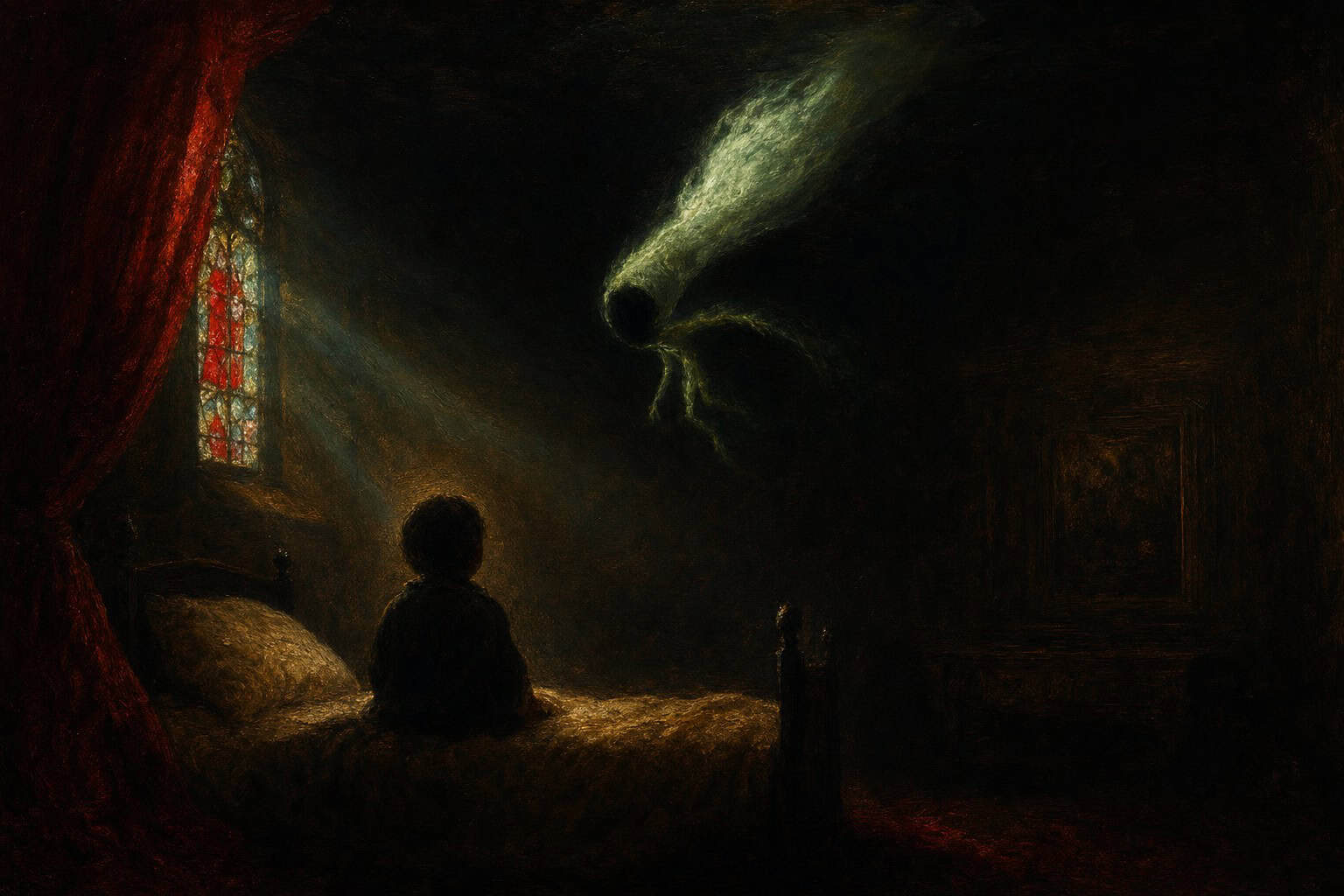
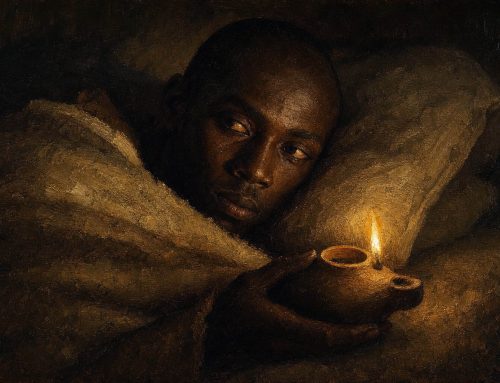
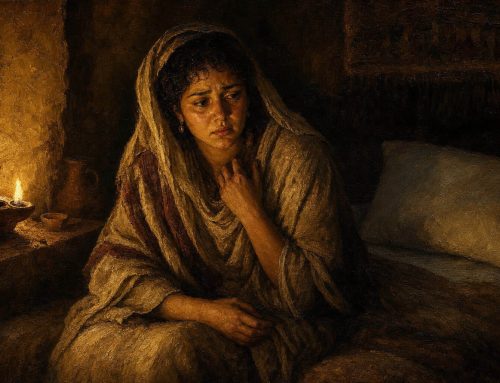
Hunger is the first tutor in this chapter, and a small body is its classroom. A newborn cries into the world and either meets a breast and a steady heartbeat or meets delay, shouting, and the sting of being handled like an object. Sweet milk against the tongue writes one story about love; the ache of an overlong wait in a crib writes another. The text lingers on this bodily catechism—wet diapers, tight little bellies, the rhythm of being picked up or left to wail—as the ground floor of everything that follows. A girl’s future patterns of trust, panic, and clinging are traced back to these early pairings of relief with either tenderness or rage. Without sermonizing, the chapter keeps returning to this single fact: before she can name God, sin, or self, her skin and stomach have already decided what the world is. Desire, here, is not romance or preference. It is the raw urge to have pain end, and the kind of hands that answer that urge become the mold for every later reaching.
The Little Researcher at the Table
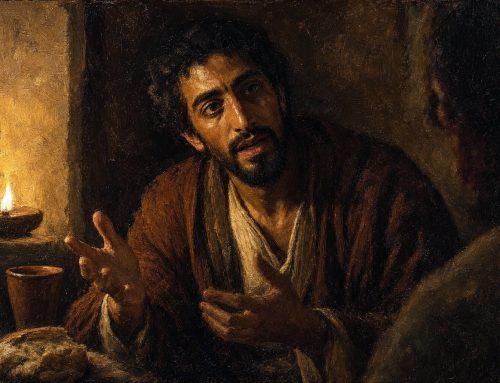
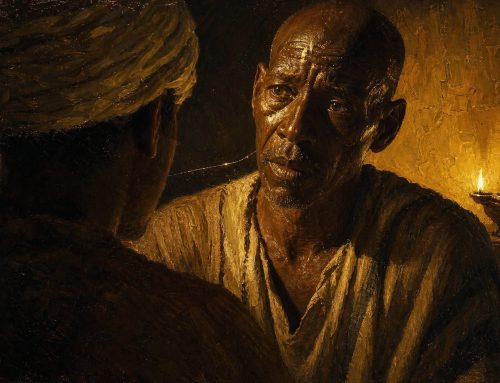
As soon as she can walk from lap to lap, the girl starts running experiments. She studies which relative smiles when she chatters, which tightens at spilled juice, which uncle sneaks her candy, which adult’s jaw hardens at noise. The chapter names her a kind of quiet investigator, testing hypotheses with every joke, tantrum, and hug. Brother gets rough play, grandmother gets softness, father gets careful respect or nervous charm, depending on his history. Each bond becomes its own small world with rules, rewards, and punishments that her body remembers faster than her mind can. She does not become “many” out of craft or malice; she becomes many because a single fixed self would be punished in half these rooms. The dominant image remains concrete: the girl taking readings from faces around a kitchen table, learning whose eyes mean danger and whose hands mean food. Her heart begins to divide along these lines, each fraction trained to walk toward or away from a particular kind of gaze.
Painted Lips, Watching Eyes
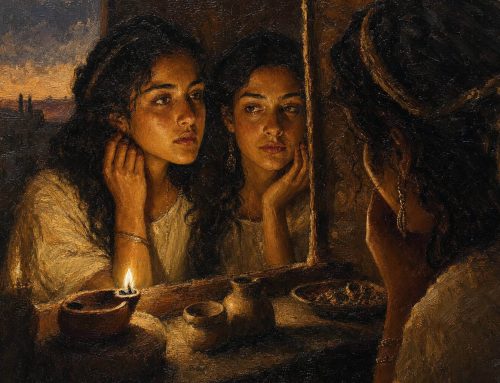
Then the body changes, and with it, the stakes of all that early research. Hips widen, a waist carves itself, breasts rise beneath fabric, and without any committee vote, the air around her shifts. Older men glance twice at the grocery store; boys at school stumble over their words; mirrors become more than glass. The chapter lays out in plain biological terms how clear skin, bright eyes, long hair, and even the manufactured flush of makeup call out to ancient circuits in male bodies. Lipstick, blush, tight jeans—these are not random fashions but signals that rhyme with mating and fertility, whether she knows it or not. She feels the pull of new power in the way heads turn when she walks past the bleachers, the way a star athlete laughs harder at her jokes. Desire now carries competition: other girls adjust their own hair and clothing, angling for the same strong shoulders and deep voices. The same girl who once tested which aunt would soothe her now, often without knowing, tests which boy will claim her, guided by a current that runs deeper than her conscious choice.
Desire fractures a soul long before it ever finds words, teaching a child to perform a hunger she does not yet understand she is speaking.
Ancestral Code in a Teenage Body
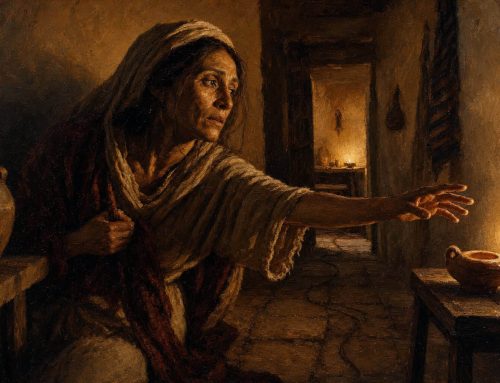
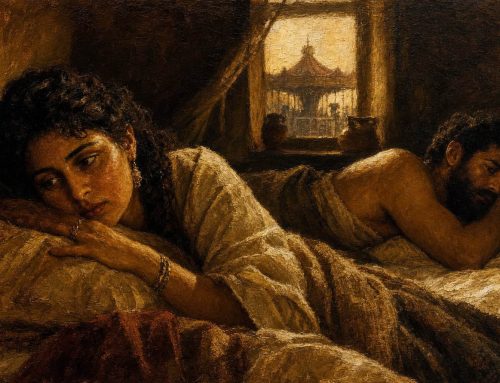
Running beneath this whole chapter is a hard admission: much of what she calls “my type” is not personal at all. The narrative drags mating out of the realm of dreamy preference and into the blunt circuitry of survival. Her nervous system has been tuned over ages to prefer men who carry and signal resources—height, muscle, status, wealth, entourage. The science is not abstract here; it is traced in school hallways and celebrity posters, in the way a girl’s stomach flips more for the boy with a car than the boy with a kind word. Yet this is not dismissed as mere animal drive. The chapter pushes on the theological edge: if desire has been sculpted by forces that care only for reproduction, then her heart enters romance already bent toward using and being used. Those early lessons at the breast or in the crib collide with this ancient programming. A girl who learned that comfort comes with contempt may now feel most alive with men whose power can both protect and harm her. The fracture widens, but it widens along grooves carved by hunger and time, not simple choice.
When Hunger Wears Perfume
By the time this chapter closes, desire has been stripped of its soft focus and shown as a layered hunger wearing mascara. The girl’s multiplying selves—infant at the breast, child at the table, teenager before the mirror—are all revealed as responses to pain and promise, never pure invention. She does not wake one day and decide to be legion; she is drafted into it by diapers left unchanged, by slammed doors, by the applause that comes when she dresses a certain way. This chapter’s promise is not comfort but clarity: that any adult entanglement later in the book will rest on these early bargains between body and world. It refuses to flatter romantic love or demonize feminine allure; instead, it insists on the heavy, inherited script pulsing under both. To step into it is to watch a spray of perfume in a locker room, to see it hang in the air between bodies who do not yet know what they are breathing in.