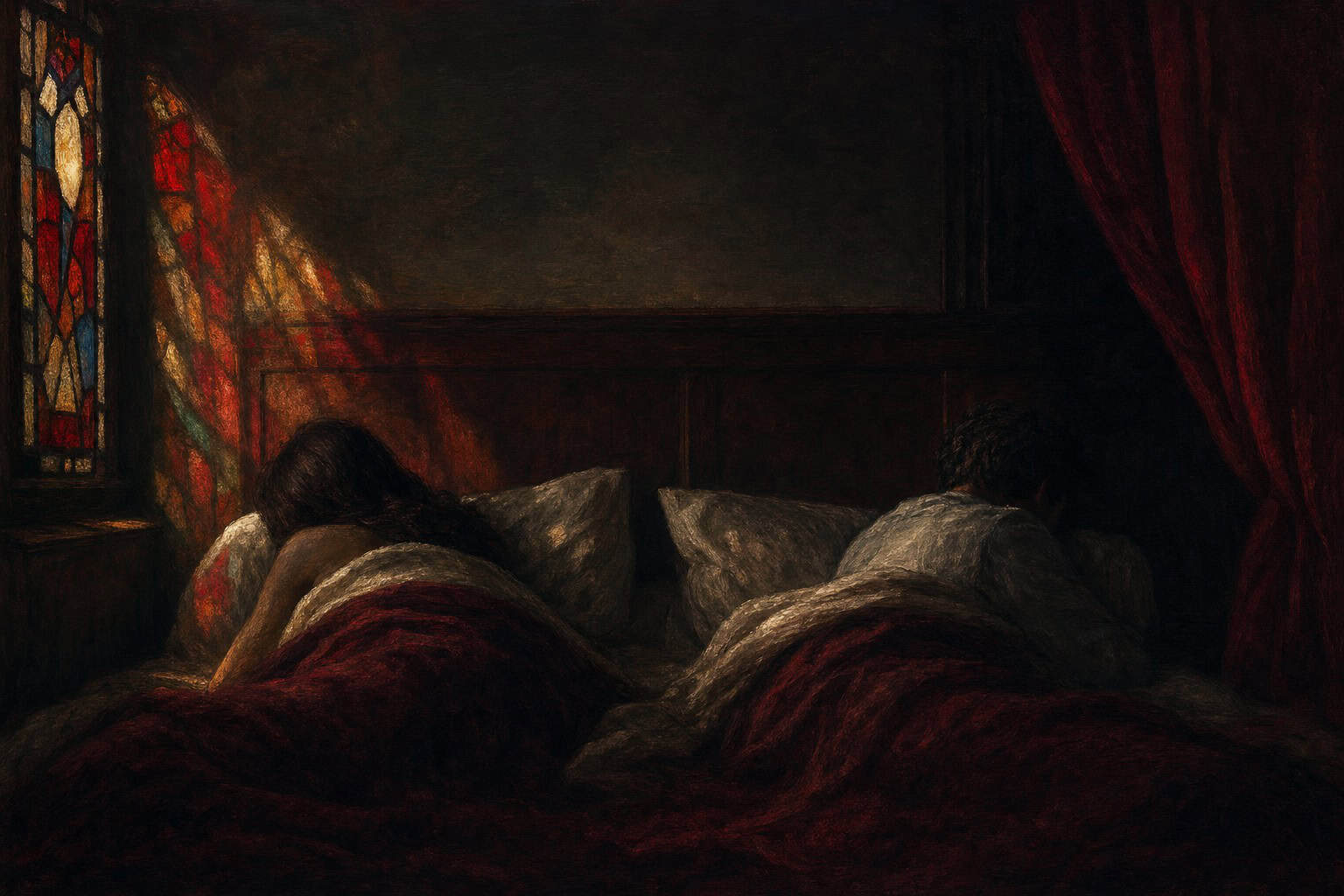
The warmth of two bodies still hangs in the room, but the air has turned to ledger, and she doles out her past only after his hands have paid their way in.
The Bed Turned Counter
Sheets still hold the warmth of two bodies, but the air feels like a ledger. She lies beside him and measures what she will give. A story from her past drips out only after his hands have done their work. A guarded memory follows a certain touch, always in that order, never free. He can feel the exchange in his skin: her voice softening just enough to buy what she wants, then hardening again when the price has been paid. The mattress underneath them might as well be a countertop, their limbs the currency on it. He knows when her shoulders relax that he has purchased another sliver of her narrative, but he also knows the core of her remains locked away. What was once a place of nakedness has become a stall in a market, and he stands there, half-dressed, realizing he is both customer and product at the same time.
Hunger Taxed at the Source
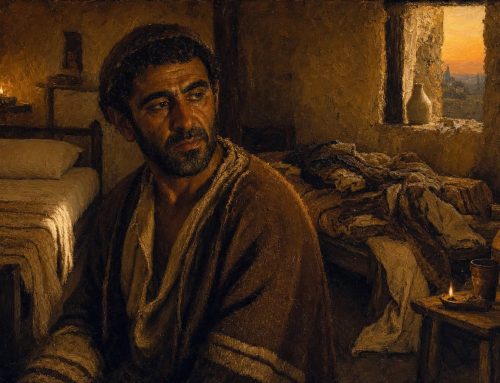
His desire, once simple and almost innocent in its urgency, now walks with a limp. Each time he reaches, he must calculate the cost. Will this kiss buy a scrap of warmth or only more cold civility later in the day? Will his arousal be named tenderness or accused as aggression? Her talk of boundaries carries a sharp edge he can feel in his chest. She claims moral height even as she bends his longing into something shameful. In this passage, the reckoning is not about whether touch will happen, but under what terms. He is learning that hunger can be used against a man, that the body given in good faith can be turned into a bargaining chip. His question shifts: not “Will she have me?” but “Can I still recognize myself while paying this price?”
Absence Measured in Inches
The cruelty here does not arrive with shouting or slammed doors. It moves in small adjustments on a shared mattress: a turned back that never turns back again that night, a hand removed from his chest just before he falls asleep, a calculated inch of extra space between their hips. These gestures repeat with such steady rhythm that he begins to suspect design. When he speaks of feeling unwanted, she smiles with practiced surprise, as if his ache were some wild invention he should be embarrassed to name. That moment—when he sees knowledge in her eyes before the denial leaves her lips—presses the air tight around his lungs. The realization that she knows exactly how her distance lands on him, and chooses it anyway, makes the room feel smaller. He lies there, awake, tracing the pattern: approach, warmth, withdrawal, confusion, apology. The pattern does not break. It tightens.
In a bed that has become a marketplace, a man begins the hardest negotiation of all: how to consent to love without surrendering the self that survived.
Skin Without Shelter
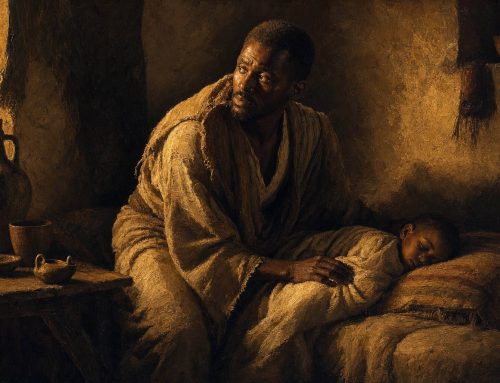
For anyone who has stayed in a bed that no longer offers rest, the scene cuts close. You move through familiar gestures—cooking dinner, folding laundry, sharing a pillow—while your deeper self steps back from the edge. You learn to give enough touch to avoid conflict but not enough to expose your heart. You trade pieces of your body while hoarding what is left of your trust. The danger is quiet and daily: the slow training of your own soul to treat intimacy as a contract instead of a gift. In that quiet training, belief about love begins to warp. If every reach risks being turned against you, you start to distrust not only this lover, but the God who made you capable of such reach in the first place. The question under the sheets is no longer only, “Do they love me?” It becomes, “Is my very hunger a flaw that deserves to be disciplined?”
A Heart Learning New Instruments
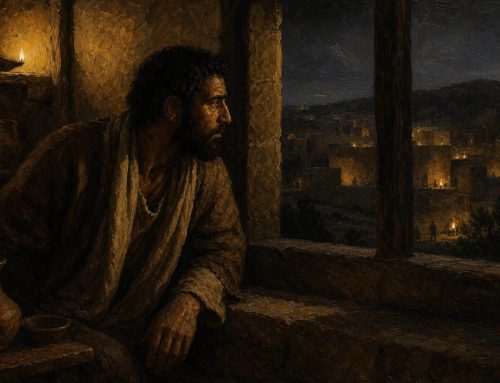
He does not bolt from the bed. He does something harder: he stays and begins to alter the way his soul inhabits his own flesh. Part of him continues the script—hands moving, body answering her summons on cue. Another part steps back, watching, taking notes in an inner language he has carried since childhood shadows. That inner witness has its own music, low and dissonant, refusing to call this arrangement love. Here, the chapter lingers on the split: a man who still craves touch, still hopes for tenderness, yet starts to shield his deepest chords from her reach. The unresolved tension is brutal and holy: can he let God address the ache that her calculations exploit, without silencing the dark music that has always warned him when something is off? Into that question, the scene does not supply comfort. It leaves a man lying on a shared mattress, pulse loud in his ears, listening for a truer rhythm than the one being imposed on his skin.