Where the wound opens, light enters—not despite the breaking, but through it.
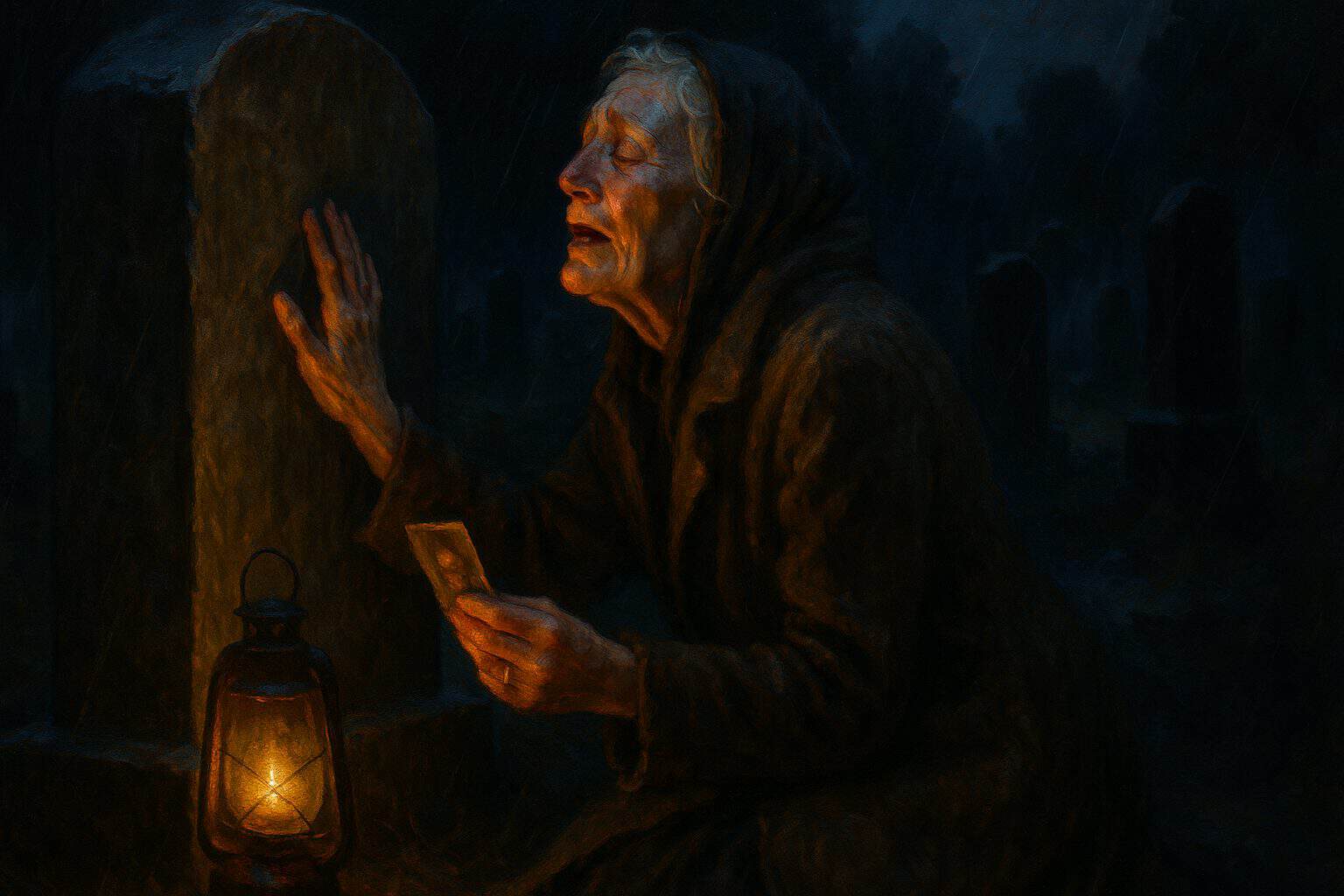
The cemetery holds its breath. Among the weathered stones, stuffed animals lean against granite, their synthetic fur matted by rain. Miniature flags flutter in windless air. These trinkets of affection—worn photos curling at edges, plastic flowers faded by seasons—testify to something more than loss. They mark the precise coordinates where shame transforms into aperture, where the sealed becomes permeable.
The Architecture of Exposure
In Fractions of the Soul, Anthony traces how wounds resist their own closure. The moment of rupture—when “death will come along and take someone close to us or we fall in love with someone with whom we are receptive to their being in the world”—creates an opening that shame immediately rushes to seal. Yet the seal itself becomes transparent. What was meant to hide becomes the very medium through which we see.
Consider the phenomenology of speaking to grass and dirt: “Why did you wait so long to speak your passion… when you had the opportunity to do so eye to eye, mouth to mouth, and chest to chest?” The question carries its own atmosphere—thick with what Heidegger might call Stimmung, that mood which precedes and pervades all understanding. The shame here is not simply regret for words unspoken. It is the discovery that our withholding has become a window through which the withheld now shines with unbearable clarity.
The cemetery visitor kneels. Fingers trace letters carved in stone. The mouth forms words that should have been spoken years ago, decades ago, when flesh could still receive them. This delayed utterance—this passion spoken finally to grass and dirt—transforms the speaker. The very lateness, the very inadequacy, becomes the opening through which something essential passes.
The Phenomenology of Translucence
“Experience carves out their presence in the world, announcing itself to others, revealing a particular situatedness or attunement.”
In Confessions to the Empty Chair, Anthony describes how demons alter “the emotional weather in the room.” But notice: they do not simply frighten. They reveal. Their presence makes visible what was already there—the particular attunement through which we inhabit our world. The adversary appears “as an ominous shadow in the dark,” yet more telling is the “distant coldness” that announces their approach. This coldness is not added to the room; it discloses what the room always was.
Merleau-Ponty understood this: how the lived body opens onto world through its very vulnerability. Our wounds are not accidents that befall an otherwise intact subject. They are the apertures through which world enters and self extends. The “safety blanket—a sanctuary—and a lens through which the world comes into focus” is precisely this: the familiar that both shields and reveals, the protection that becomes perception.
When shame arrives—that hot flush ascending from chest through throat to face—it seems to close us off, to seal us within ourselves. Yet phenomenologically, shame accomplishes the opposite. It makes us radically visible to ourselves. We see ourselves being seen, even when alone. The wound of exposure becomes the window of recognition.
The Clearing in Dark Wood
“It is like finding a sunlit clearing in the forest after traveling through the dark wood.” This image from Anthony’s memoirs captures something essential about how shame transforms. The dark wood is not simply left behind when we reach the clearing. Rather, the clearing exists as clearing only through its relation to the surrounding darkness. The light that enters is shaped by the very density it penetrates.
In lived experience, this manifests as a peculiar reversal. The moment of greatest shame—”I had to risk the new and fragile thing with Jane by dragging my transgression from the dark into the light”—becomes the moment of greatest possibility. Not because the transgression is erased, but because its exposure creates new space. The confession does not undo the wound; it transforms the wound into window.
This is what Anthony means when he writes that “both death and love either open up new possibilities to do something different and believe in something different or they will remind one to play it safe.” The safe response to shame is concealment, the careful management of appearances. But shame turned to window refuses this safety. It stays with the exposure, lets the wound remain open, discovers in that opening a new mode of presence.
The Grammar of Resurrection
“Delight with me; translate your soul through flesh one more time. Our bond defies the cemetery’s silence in the valley of bones.”
The cemetery scene returns, but now with different emphasis. Those trinkets left by graves—the stuffed animals, the worn photos—are not simply memorials. They are attempts at translation, efforts to render soul through matter “one more time.” The shame of having waited too long to speak becomes the very condition for a new kind of speaking.
“Meaning, for human beings, unfolds within the framework of time and mortality; they incorporate the knowledge of the dead into their lives.” But how does this incorporation occur? Not through abstract reflection on mortality, but through the concrete gesture of placing a child’s toy on cold stone, of speaking aloud to absence, of letting tears fall on grass that covers what remains.
The wound that death opens cannot be healed by forgetting. Instead, it becomes a permanent window through which the dead continue to regard us, through which we continue to regard ourselves in light of their absence. The shame of our inadequate love, our postponed words, our withheld presence—this shame does not diminish with time. It deepens into transparency.
The Phenomenology of the Turn
Viktor Frankl, reflecting through Merleau-Ponty’s lens of embodied meaning, recognized that suffering becomes bearable only when it becomes meaningful. But Anthony’s phenomenology suggests something more radical: suffering becomes meaningful only when it becomes window—when it stops trying to close itself and instead remains open as aperture.
“Real change in contrast reflects an extreme response following an extreme stimulus: death or the threat of mortality, loss… or profound betrayal.” The extreme stimulus creates the wound. The extreme response is not to heal the wound but to turn it into window. This turning—this transformation of opacity into transparency—requires a particular kind of courage. Not the courage to overcome shame, but the courage to let shame become medium.
The pre-fall problem that “A focuses on E to the exclusion of G, and E focuses on A to the exclusion of G” describes a closed circuit, a sealed system. The wound breaks this seal. Suddenly, G enters—not as idea or ideal, but as presence that floods through the break. The exclusion that seemed necessary for focus becomes the very thing that must be opened.
Desire’s Window
“Desire is not meant to be an end in itself… but instead requires an object outside of itself, ‘knowing,’ to pursue in order to actualize its purpose.” This structure of desire—always oriented beyond itself—mirrors the structure of wound-become-window. Just as desire reaches through itself toward its object, shame reaches through itself toward recognition.
The phenomenologist Bernd Jager, transforming Heidegger’s abstract Dasein through attention to concrete dwelling, would recognize this: we do not first exist and then become ashamed. Rather, shame is one of the fundamental ways we discover ourselves as existing—as exposed, as visible, as mattering. The wound is not an accident that befalls being; it is one of being’s essential modes of disclosure.
In the cemetery, among the stones and trinkets, this becomes palpable. The survivor who leaves a flag, a flower, a photograph, performs an act of radical exposure. Here is my love, inadequate. Here is my grief, unfinished. Here is my shame at all I failed to say and do. And precisely in this exposure, something opens. The wound becomes window. Through it, both the dead and the living continue to regard each other.
The Flesh of Transparency
The body knows this secret: that our wounds are where we become permeable. A scar is not simply sealed skin but a place where the boundary between inside and outside has been permanently altered. We carry these places of altered boundary—physical, emotional, spiritual—as windows through which world enters and self extends.
Anthony’s phenomenology reveals that shame operates similarly. The flush of shame seems to seal us within ourselves, yet it simultaneously makes us transparent to ourselves. We see ourselves being seen. We recognize ourselves as exposed. And in this recognition, if we can bear to stay with it rather than flee into concealment, something transforms.
The wound becomes window not through healing but through remaining-open. The cemetery visitor who speaks passion to grass and dirt does not overcome the shame of belatedness. Instead, they let that shame become the medium through which love continues to move. The words that should have been spoken to living flesh are spoken to earth, and in that speaking, both speaker and spoken-to are transformed.
This is resurrection’s secret grammar: not the erasure of death but the transformation of death into window. “Our bond defies the cemetery’s silence in the valley of bones” not by denying the silence but by speaking through it, letting the silence itself become resonant with presence.
The wound that will not heal becomes the window that will not close. And through that permanent opening, light enters—not despite the breaking, but because of it, through it, as it.