Why did she leave? A raw look at loving a woman who saved her real self for others, told through a memoir’s unflinching chapter on Jane.
The Queen Who Would Not Come Down the Stairs
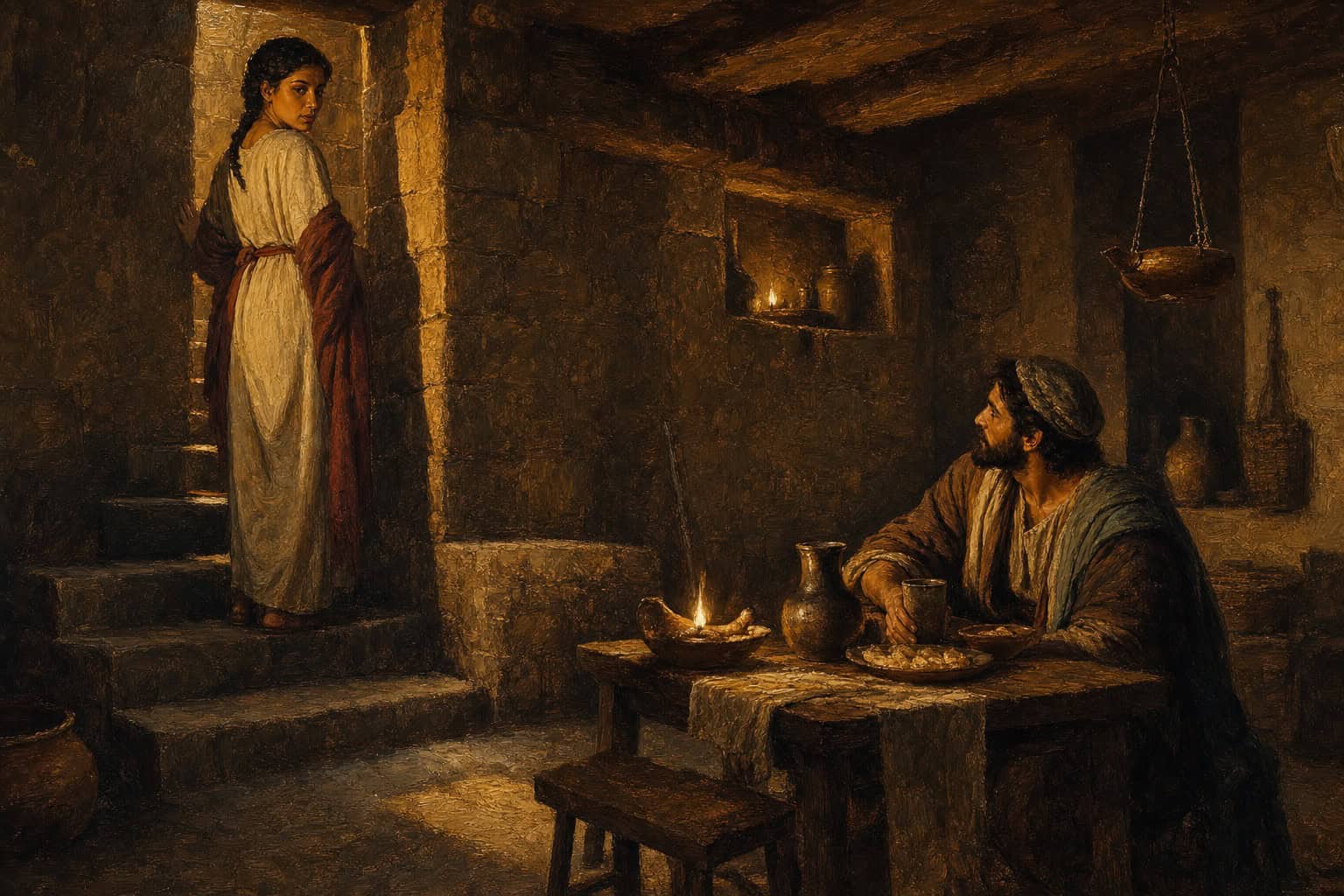
She kept a tower inside herself, and she would not let him climb it. In Confessions to the Empty Chair, the narrator watches Jane hold court like a queen who descends to touch the world for a moment, then withdraws into a solitude he can never enter. When he asks about the others in her life, she cuts him off with a cold instruction: ask less, and she will tell more. It is a trick of power, and he knows it even as he obeys. You have felt this if the person you loved kept a locked room in the center of the house and let you tend every other space but that one. The body registers what the mind refuses to hold. He notices her posture, her exact word choice, the extra inches she leaves between them, and somewhere beneath thought he already knows the truth. His skin knows before his heart admits it. That is the cruelty of this kind of leaving—it does not announce itself with a slammed door. It arrives as a slow chill, a change in how she turns her shoulder, a difference in the way she says his name. He is not a fool. He is skilled with words, quick in argument, proud of his mind and its reach. And still he cannot force open the tower where she keeps her real self, because a queen does not surrender her keep to a subject. The question you typed into the dark—why did she leave me—starts here, at the bottom of stairs you were never invited to climb. He gives her a feast. He gives her nights, hours, attention, the whole architecture of his devotion. She takes it, and then she goes to shower and change and vanish into a life he is not permitted to see. Notice how much of this is bodily, not spoken. She teaches him to read her in gestures, then punishes him for reading. She lets him near enough to feel the warmth and never near enough to keep it. He calls conversation his weapon, but her distance is sharper than any word he owns, and he does not yet understand that he has walked into a match he cannot win. He mistakes proximity for possession. He mistakes being tolerated for being chosen. The scene sets the trap plainly, and part of what unsettles the reader is that the narrator sets much of it himself—laying his own table, pulling out his own chair, waiting for a woman who was already halfway up the stairs. She lets him wait. He learns to call the waiting love.
Crumbs From Men He Would Never Meet
After what happened with Tommy, Jane got careful. The narrator explains it without flinching: she pulled her hidden appetites away from the men at the university, the ones he might pass on a path or recognize by name, and aimed them instead at men a class above her, graduates still living nearby. She chose them precisely because he could never reach them. He could not corner one of them and ask about her. He could not read her in their faces or catch a flicker of familiarity when their names came up. She built a wall of strangers around her secret life, and he was left outside it with his suspicions and nothing solid to hold. This is the part that answers the searcher most directly. She did not leave because he failed to love her. She left, again and again, in small nightly disappearances, because their breadcrumbs tasted better to her than his full table. He says it in almost those words, and it lands like a slap. A feast offered to someone who wants to starve elsewhere becomes an insult to both of them. His care did not fail; it simply could not manufacture the thing he wanted from her. No amount of tending grows desire in a person who has decided her hunger lives in another room, behind a wall you were never given a key to. The old lens he tries to see her through is intellect—his and hers. He believed a better argument might win her, that if he could name her behavior precisely enough she would be caught and held, pinned to the page by the right sentence. But she operated above him. Every exchange forced him to sharpen himself, to build defenses against her piercing attacks, to hunt for the exact word that might fix a feeling in place. He tells himself the debate was growth, that she made his mind stronger. Reading it now, older, you feel the sad joke underneath. He was training for a fight she had already left. The instinct in his gut had delivered its verdict long before his mind agreed to hear it. What he ignored then only grew louder with time, the way a sound you refused in the dark becomes unbearable at dawn. And here the hard self-questioning begins. Why did he stay to be starved? Why did the man who could see her strategy so clearly keep setting the table each evening, keep believing tonight she might sit and stay? He does not let himself off. He does not blame her cleverness and call the case closed. He suspects the answer lies not in her cruelty but in something he carried to the door long before he ever met her, something that made a locked tower look, to his eyes, exactly like a home.
When the Teacher Kneels Down to Become the Student
The turn comes when he names what actually chained him, and it is not the sex. He is honest that the nights they shared were a powerful anchor, that her body near his felt like belonging, that the flesh made its own argument for staying. But the real hook went deeper than skin. With an earlier lover, Jeannètte, he had held the higher ground; he had been the teacher, the one who knew more, the one who led. With Jane, that ground reversed beneath his feet. She shared a mind so sharp, so introspective, so far above his own that he became the student in his own room. He envied her intelligence openly. That envy, not desire, is what he cannot pry his hands free of. He worshipped the very power that shut him out. He confesses a truth most people spend their lives hiding: that he mistook intellectual submission for love. He knelt before her mind and called the kneeling devotion. He accepted crumbs of attention from a woman whose thoughts pierced him, and he believed his patience would one day earn her appetite. It never would. He also sees, with a terrible steadiness, that a mind becomes a weapon out of an old wound—that her cutting brilliance was a daughter’s ache to be held by a father, that she once told him she could lose herself in the arms of an intelligent man. Two children who never got what they needed were using their minds to reach for the same missing warmth, and calling the reaching a relationship. He does not soften this into tragedy or excuse. He watches himself hand her power he thought he was too smart to hand anyone, and he watches her take it the way she took the feast—without hunger, without thanks, as her due. The confession is not that she wounded him but that he built the altar and lit the candles and told himself the smoke was love.
You cannot cook desire into a person; the more you serve, the clearer it becomes that she was only passing time at your table.
The Long Ache of Reading Your Own Hunger
“You cannot cook desire into a person; the more you serve, the clearer it becomes that she was only passing time at your table.” That line sits under the whole chapter like a stone under still water. Once he sees it, the fallout is quiet and merciless. He does not rage at Jane. He turns the lens inward and studies the shape of his own need, the way a man traces a scar in the mirror and finally understands the wound that made it. He admits that a psyche bends to fit its world, that a grown man’s hunger for power often grows from a childhood with none. So the question shifts under his feet. It stops being why did she leave and becomes why did he need her to stay when staying meant kneeling. He does not answer it cleanly, and that is the honesty of the book. He lets the ache stay open. He remembers the hours she sat beside him while he read, becoming the companion of his mind before he ever set pen to paper, and he cannot pretend those hours were nothing. They were real. That is the hardest part—she gave him something true and something withheld in the same breath, and he could not have one without swallowing the other. The body remembers both. His skin still recalls the warmth of a woman who was already gone. Here, in the wreckage, the memoir does something rarely done in confession this raw. It does not pretend God fixed it. There is no rescue that lifts him out of the folly, no lesson that scrubs the shame clean. Instead there is a stranger mercy, the sense that even in the room where he was being starved and calling it a feast, he was not alone. Grace does not arrive to unmake the years he wasted at her table. It walks in beside him while he sits there, foolish and hungry, and it does not turn its face away from what he was doing. That nearness in the middle of the sin is the quiet miracle. It is not that the darkness lifts. It is that Someone sat down in it with him and stayed.
What the Empty Chair Finally Tells Him
He carries the reader to the edge of understanding and then leaves the wound honest. By the close of this stretch of Confessions to the Empty Chair, the searcher’s question has been answered and also transformed. She left because his devotion could never grow desire in a woman who had chosen to hunger elsewhere; she left because crumbs from unreachable men tasted better to her than everything he set before her; she left because he offered her a home and she wanted a keep with the drawbridge up. All of that is true, and none of it lets him rest. The deeper answer is the one he keeps circling. He stayed to be starved because being the student of a piercing mind soothed an older powerlessness, and he could not tell the soothing from love. He does not tie this off. He does not stand up healed and declare the lesson learned. He lets you sit with him at the table a while longer, the second chair empty, the food gone cold, the queen long since climbed back into her tower. What makes the chapter unforgettable is not that it names her cruelty but that it refuses to make her only cruel. She was frightened of her own power. She was a daughter reaching for a father through the arms of clever men. She was real, and wounded, and gone. The book will not let you hate her cleanly, which means it will not let you off cleanly either. If you typed why did she leave me into the dark tonight, this chapter meets you there and hands you no bandage. It hands you a mirror and sits beside you while you look. And that, strangely, is where the reaching for the whole book begins—because a man this willing to indict his own hunger is a man worth following into the rooms he has not shown you yet. He rises from the table. He does not slam the door behind him. He simply leaves it standing and walks toward the next confession, and you find you cannot help but follow the sound of his footsteps.