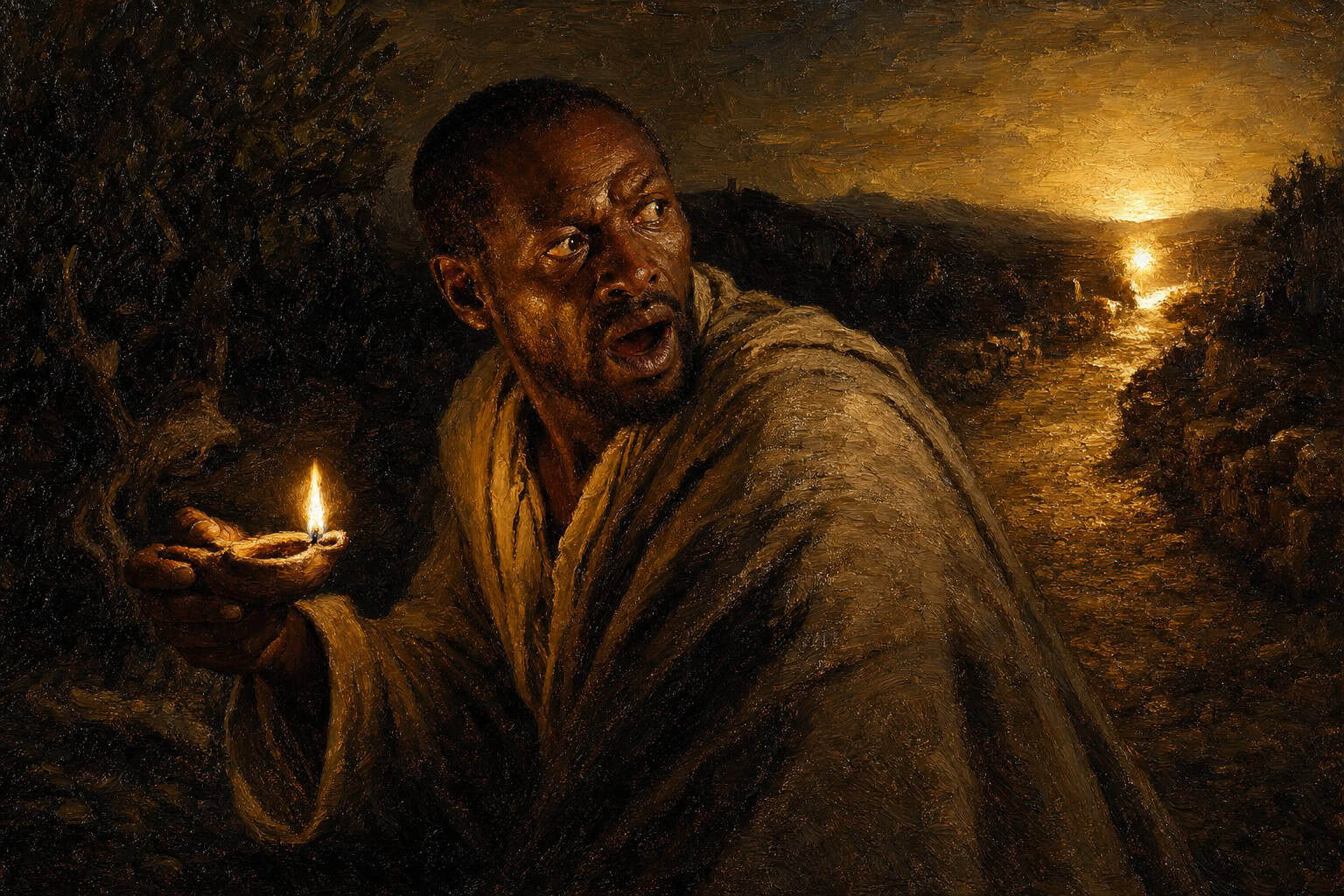
Songs to scream in the car, read through a chapter that turns a playlist into a confession. What your loudest tracks are really carrying.
Hands at Ten and Two, Throat Wide Open
You know the exact stretch of road where it happens. The light turns green, the engine leans forward, and your hand jabs the volume until the door panels buzz against your knee. Then you open your throat and let the song tear out of you, and for three or four minutes you are not a person managing a life but a raw sound with a spine. Your jaw aches from it. Your vision narrows to the two white lines pulling you forward, and the dashboard clock stops meaning anything. This is the thing people mean when they type songs to scream in the car late at night, alone, with nobody to answer the search but a machine. They are not asking for a list. They are asking what to do with the pressure behind the sternum, the ache that will not sit still, the need to make noise big enough to match what is inside. Chapter eleven of Confessions to the Empty Chair walks straight into that same impulse and refuses to look away from it. The chapter is built as a playlist, a run of tracks moving one into the next, and the man listening treats the sequence like a map of his own soul. He is not just enjoying music. He is being dragged by it, station to station, through desire and dread and a hunger he cannot name in daylight. The songs push him from carnival noise into something darker, then toward something almost holy, and he goes because the music knows the way he does not. What strikes you first is how physical it all is. The bass is not an idea; it lands in the chest and rearranges the ribs. The scream is not a metaphor; it scrapes the throat until the next morning it hurts to swallow. He hears an industrial track and feels the floor of himself drop out, a blank cold nothing under the beat, and he keeps the volume up anyway because silence would be worse. You recognize that gamble. You have made it yourself, gunning the stereo so the emptiness cannot get a word in edgewise. There is a particular loneliness to it, the way the sound fills the whole cabin and still leaves you alone in the driver’s seat, singing to no one, singing at glass. The chapter takes that ordinary habit and shows you it was never ordinary. A playlist, arranged carefully enough, becomes a kind of prayer book without prayers, a set of hours kept in secret while stopped at a red light with the wipers ticking. You scream because it is the only worship you have permission to perform. You scream because it is the only room where you are allowed to be this large. That is where the chapter begins its slow, unnerving work on you, and it does not knock first.
The Drunk Men and the Sober Wolf
The songs do not stay abstract for long. Behind the volume, the chapter is remembering a scene, and the scene is a room full of people getting loud on liquor while one man stays clear-eyed on purpose. He is the driver, the helper, the one who fetches and steadies and offers rides home when the night gets sloppy. Everyone reads his sobriety as kindness. He lets them. The chapter reads it as strategy, and it makes you look again at every helpful man you have ever trusted in a crowded room. In a place where the other men are slurring and knocking over glasses, the clear head becomes a kind of power, and power near vulnerable people is never neutral. He watches the way a hunter watches, patient, useful, always standing a half step nearer the ones least able to see him coming. His hands are steady. His voice is low and reasonable. That steadiness is the trap. This is the tension the music was carrying all along. The screaming tracks are songs of obsession and surveillance, songs where one person becomes a thing to be wanted and tracked and owned. Under the noise, the listener feels himself both watched and watching, reduced at once to an appetite and to a target of someone else’s appetite, and he cannot tell which is worse. That is the private horror the search never names. You crank the song about wanting someone so badly it curdles into menace, and part of you flinches, because you know both ends of that stare. You have been the one hunted and the one calculating the angle. The chapter also notices something colder about how such men work. The predator does not act alone. He borrows credibility from old friendships, spends the trust of the group like currency, uses other people’s goodwill to buy the room’s silence and a door to new prey. He needs the herd far more than his swagger admits. The whole performance of conquest, it turns out, is propped up by borrowed legitimacy, by everyone agreeing not to see what is plainly there. And there is a darker note still. Among the willing and the wasted, there are those who serve the darkness so completely that even the other predators sense it and step back. Evil can recognize its own face in another and still find no warmth in the mirror. It isolates its own servants; it cannot commune with itself. The industrial tracks with their machine hearts keep insisting on that emptiness, the lack at the center that no wanting can ever fill. So the screaming grows more desperate, not less, because the song is trying to paper over a hole the song helped dig. You feel the driver’s clarity curdle into something with teeth, and you feel the party stop being a party and become a hunting ground with music.
When the Beat Bends Toward the Altar
Then the playlist does something the driver did not plan for. One dark, pulsing track ends on its last hard downbeat, and the next begins, and it carries a name that sounds like saints, two holy words strung together where he expected more hunger. The floor shifts under him. He has been screaming songs of lust and surveillance, songs of the body throwing its weight around, the flesh asserting itself through raw, heavy movement, and now the sequence bends without warning toward the sacred. Sacred carols sit shoulder to shoulder with industrial metal. A dance of appetite gives way to something with holy names in its mouth. The man in the car does not choose this turn; the liturgy he built by accident chooses it for him, and he is pinned in the seam between the two songs, half in one world and half in the next. His body is still moving to the heavy beat, still carnal, still hungry, his foot still riding the pedal in time. And at the same time some older thirst wakes underneath the lust, a thirst that predates the appetite, and it will not lie back down. He grips the wheel harder. His breath goes uneven. The lens the chapter has been holding up finally clicks into focus here: the deepest reach of the appetite, followed all the way to the bottom, does not open onto more appetite. It opens onto a thirst no body can slake, a longing that keeps outrunning every object it grabs at, every face, every night out, every scream. That is the revelation the chapter has been driving toward the whole time, hidden in the transitions between tracks. The scream was never only rage. It was never only sex. It was the shape of a soul reaching past the windshield for a wholeness it can name and cannot hold in two hands. Under the concupiscence there was always a seed of a holier thirst, buried, waiting, and the music dug down far enough to find it against the driver’s will.
The song you scream loudest is the prayer you are ashamed to say out loud.
Idling in the Driveway with the Engine Off
After that turn, the chapter does not resolve cleanly, and neither do you when the last song ends and the cabin goes suddenly quiet. The driver is left in the fallout of what the music showed him. He wanted the playlist to be an escape, a wall of sound between himself and the cold nothing the industrial tracks kept naming under the beat. Instead the sequence tricked him into praying, and prayer opened by accident does not close again on command. The nostalgia track arrives here like a hand reaching for a railing, a carnival return to the familiar, a way of bolting back to the ordinary rhythms of home before the holy names can finish their work on him. You know that retreat. You scream the last chorus with everything left in your throat, then you turn the key, and you sit in the driveway with both hands still on the wheel, not ready to walk inside and be a normal person again. The porch light is on. Someone is waiting. You cannot go in yet. The ache did not leave when the sound did. It got named, and being named is its own kind of exposure, worse than the ache itself. That is where the shame comes in, the quiet part nobody types into a search bar. To have your wanting laid open, to see how much of it was really predation or dread or a bottomless lack dressed up as desire, is to feel caught flat in a hard light with nowhere to turn your face. You want to cover yourself. You want to shrink out of your own sight and stop being visible even to you. The chapter refuses to let its man look away, and it does not flatter him. It shows the broken covenant underneath the love songs, the way human wanting keeps promising a faithfulness it cannot keep and keeps mistaking hunger for devotion. Every betrayal song on that playlist is a small echo of a larger failure, a love that imitates a greater charity and falls short every single time. The driver has been living inside that failure and calling it a good night. Now the engine ticks as it cools under the hood, metal contracting in the dark, and he cannot pretend anymore. The fallout is not punishment. It is clarity, which is worse and better at once. You feel him sitting there, sobered by something far stronger than sobriety, unable to un-hear what the music said between the beats. The screaming is over. What is left is the ringing in the ears, the pressure of the seatbelt across the chest, and the settling weight where the real question waits.
What the Loudest Track Was Trying to Say
So the answer to the thing you typed into the search bar is not a list of ten songs to blow out your speakers on the freeway. The answer is that your loudest track is already a confession, and you have been performing it in traffic without knowing what it costs. When you scream a song alone in the car, you are doing what this chapter shows a man doing across one long night: moving your soul through its own dark stations, from appetite to dread to a thirst that frightens you because it points past the music to something the music can never hand you. The volume is not the point. The reaching is the point. Confessions to the Empty Chair takes that ordinary, almost embarrassing habit and treats it with terrible seriousness, as if your playlist were a set of secret hours you keep for a God you are half-hiding from behind the tinted windows. That is why the chapter stays with you after the reading light goes off. It gives you back your own steering wheel and your own scraped throat and tells you these were never small things. The songs of obsession, the songs of betrayal, the holy names smuggled in between the heavy tracks, all of it maps a real pilgrimage through fallenness toward grace, whether you meant to set out or not. The chapter does not tell you where the man ends up. It leaves him in the seam between his flesh and his longing, one hand still on the wheel, still deciding which one gets to drive. And it leaves you there too, a little more honest about what you are really doing when you turn it all the way up. You do not scream because you are angry, or not only that. You scream because there is a wholeness you can name and cannot hold, and the noise is how you keep reaching for it across the dark of the road. If that lands anywhere near the truth of your own late-night drives, this is the book that will meet you in the passenger seat and not let you off easy. It will make you want to hear the whole sequence, in order, the way the man in the car heard it with his hands shaking, and to find out what he does when the last song fades and the choice is finally and only his. Go read the chapter. Then get in your car, put your hands at ten and two, and listen closely to what you have been trying to say.