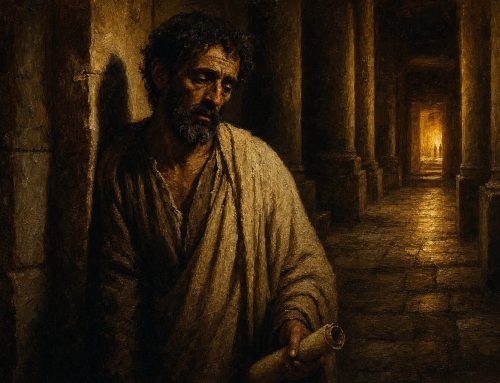
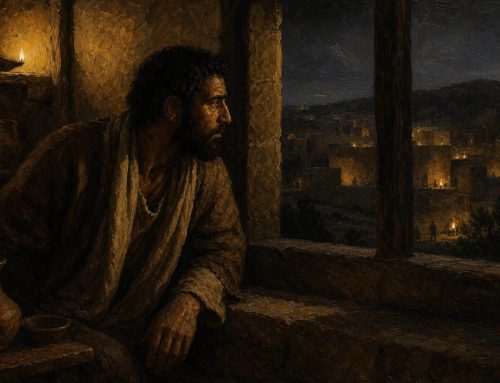
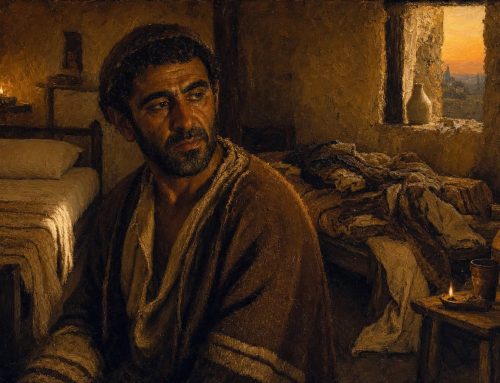
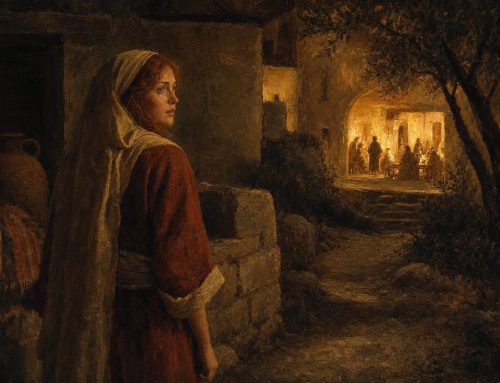
He comes home from university carrying a new, clinical certainty that he can draw a woman to him, and cannot yet imagine a mercy that leaves the appetite intact and calls him anyway.
A Summer Spent Taking Notes on Skin
He comes home from university carrying something new in his body: the calm, almost clinical confidence that he can draw a woman toward him if he wants to. The chapter stretches out over that first summer, not as a vacation but as a study, each night out becoming another field test of his charm. Coffee shops, bars, quiet corners at parties—every space offers a different texture of risk and possibility. Religious circles breed secrecy; there, desire has to hide, and his discretion becomes its cover. Beyond that pious perimeter, out-of-town girls and friends-of-friends shrug off restraint with startling ease. Strangers bring the purest experiment: nothing but his presence, voice, and attention in the present moment. He prides himself on keeping manipulation at bay, on testing desire with argument and wit before ever letting hands wander. Across the chapter, his seduction is less a wild spree than a ledger: variables, outcomes, patterns, limits, all written in the heat of consenting flesh.
Two Currents in the Same Riverbed
Beneath the summer games runs an older current: three direct encounters with God that have not dissolved Lilith’s hold. The chapter opens by naming this scandal without flinching: heaven has broken in, yet the shadow remains in place, undisturbed. God has not reached in to tear out his loneliness or lust; instead, He has chosen to sit beside them, letting their music braid with His own. To make sense of this, the narrator leans on an image of mixed waters—grace and corruption moving through the same channel without becoming the same substance. He steps back from his private myths and listens again to the Church’s claim about Christ risen and ascended, who drags human nature into the furnace of divine love. Pentecost becomes the backdrop: a Spirit poured out on people who will go on sinning, yet now breathe with borrowed fire. The governing question surfaces here: if God refuses to separate Himself from a man whose appetites remain, how should that man name what still drives him toward women?
The Crime Named by a Dead Child and a Divided Kingdom
From that question, the narrative reaches back to Israel’s kings and lets their stories interrogate his own. David, beloved of God, arranges a loyal soldier’s death to possess the man’s wife; the consequence falls first on the child conceived in that union. Solomon, gifted with a discerning heart, gathers wives and concubines until his household becomes a nation of its own, and from there his worship begins to fracture. The chapter pays close attention to how Scripture frames God’s anger: not at the felt pull of the body, but at what that pull is allowed to become—murder, divided allegiance, altars raised to lesser gods. That focus lets the narrator draw a sharp, self-serving line. To objectify, to use a woman as a thing, is clearly damnable; but to seek union of bodies where both know the terms—could that be something like friendship, even a kind of blessing? He clings to the thought that he does not bow to women as idols, even as he studies their faces for signs that they are ready to be undressed.
The strangest mercy is a God who leaves your appetite intact and keeps calling you deeper anyway, refusing to fix what He has not finished using.
Further In Than Eden, Not Yet Out of the Flesh
This chapter stands at a pivot in the book’s path from violation to offered oblation. Earlier, the darkness was done to him; here, he chooses how to wield it. The teaching about Christ drawing human nature into the roaring breath between Father and Son hangs in the air like a promise he half believes. If divine life now surges through baptized flesh, why does his own body still thrum with the old hunger? He compares himself to Adam staying with Eve in her fall, to Solomon indulging the foreign loves that will fracture his kingdom, and hears in both a warped tenderness: men who would rather share doom with a woman than surrender her to God. The dual music of his life tightens—liturgy and flirtation, Scripture and strategy, Eucharist and late-night drives toward someone else’s bed. The chapter does not solve this dissonance; it simply arranges the notes more clearly, so that his own justifications sit next to the wounds they risk opening.
The Boy Who Measures His Holiness in Numbers
What this chapter quietly promises is not release from desire but a more ruthless honesty about its shape. The narrator refuses both cheap guilt and cheap absolution; he wants to believe that consent and candor sanctify his choices, yet he knows he is counting. How many women want him, how quickly, under what conditions—these are not neutral facts, they are trophies he pretends are data points. Meanwhile, the Scriptures he cites pull in the opposite direction, insisting that the real battlefield lies not on the skin but in the heart that decides whom to trust. By the chapter’s end, a pattern has emerged: a man convinced he can walk with God while carrying an unbroken appetite, provided he never kneels to it outright. The risk he does not yet name is simple and sharp: that the tally of conquests he keeps as evidence of control may be the very thing that one day exposes how little control he ever had, like sand slipping through a clenched fist on a hot sidewalk.