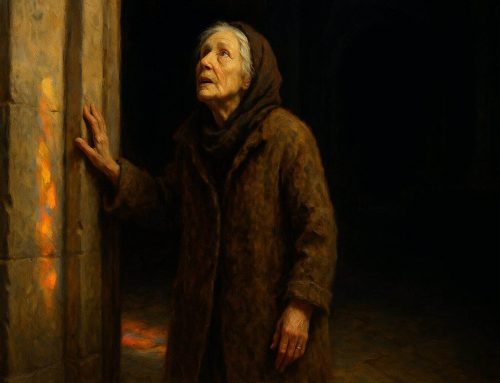
How the weight of choosing presses against the chest like an uninvited guest who knows your name.
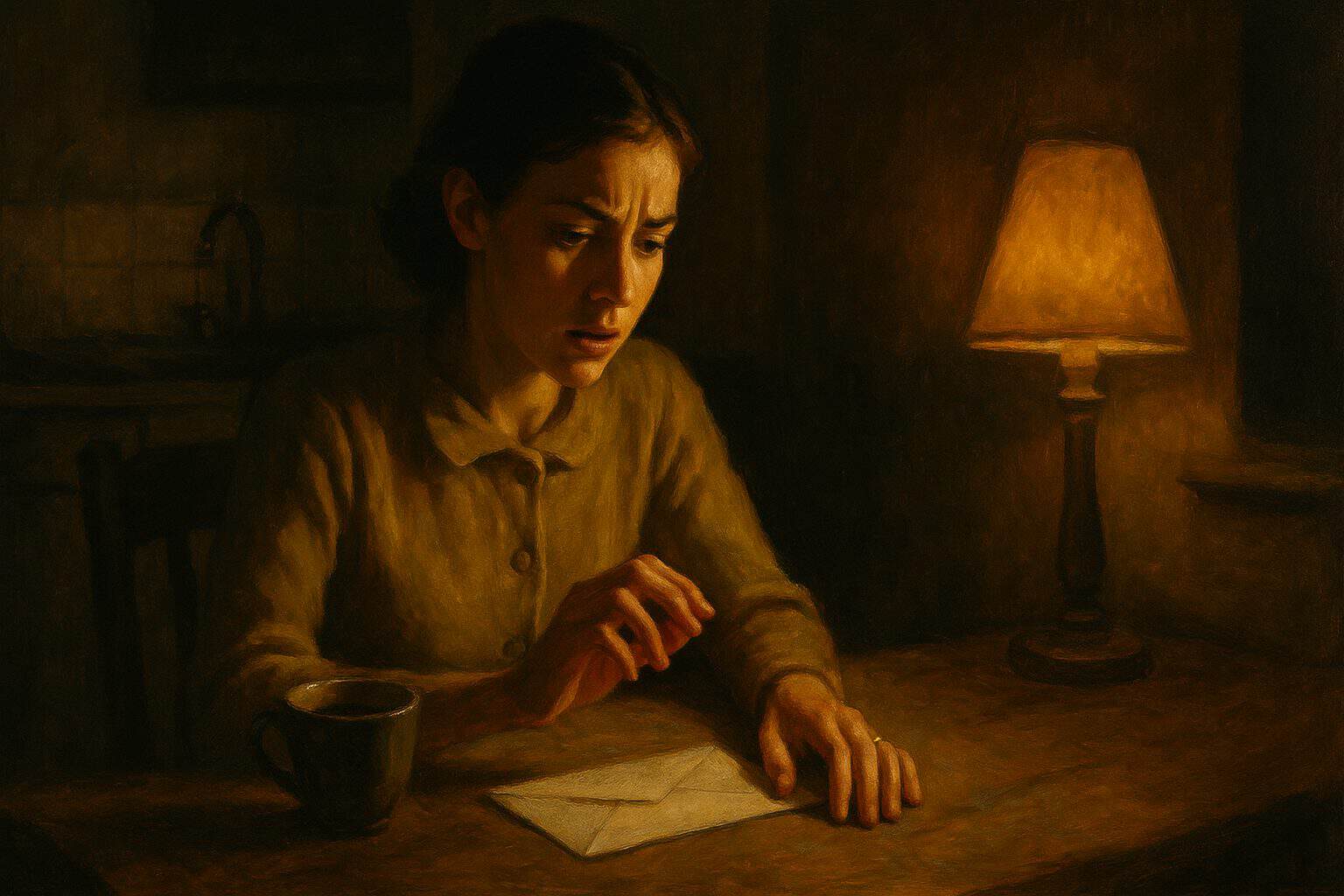
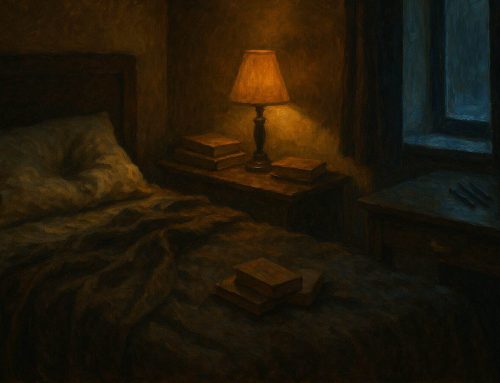
The morning light falls across the kitchen table where decisions wait like unopened mail. Coffee cools in the cup while the mind circles around what must be chosen—this job or that one, this city or another, this way of being or its alternative. Each possibility branches into further possibilities until the whole world becomes a labyrinth of forking paths. The chest tightens. The breath catches. This is freedom announcing itself not as liberation but as burden, not as flight but as the peculiar heaviness of wings.
The Weight of Wings
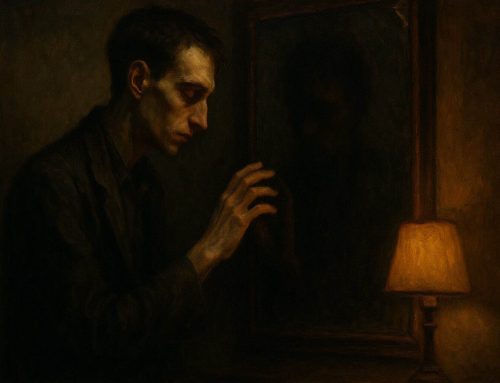
Watch how the body responds when genuine choice presents itself. Not the trivial selections of consumer life—which toothpaste, which streaming service—but the choices that carve the shape of a life. The shoulders draw up. The jaw sets. A subtle nausea rises from somewhere below conscious thought. We speak of freedom as if it were pure gift, yet lived experience reveals it first as vertigo, as the sudden recognition that the ground beneath us was never as solid as we pretended.
“Faced with this shared end, why then delay saying what must be said or doing what must be done?”
The young woman stands before the acceptance letter, knowing that saying yes means leaving everything familiar behind. The middle-aged man holds the resignation letter, aware that submitting it will close one world forever. These are not abstract philosophical problems but visceral encounters with our own terrible capacity to author our existence. The hand trembles not from weakness but from the recognition of its power.
The Refuge of Necessity
Notice how quickly we flee this ache. “I had no choice,” we say, and something in us relaxes. “My hands were tied.” “Circumstances demanded it.” “Anyone would have done the same.” Even in our language, we reveal the relief: we “resign” ourselves, as if freedom were a burden we could lay down like an unwanted package. To resign ownership over personal freedom, choice, and responsibility to others—this becomes its own peculiar comfort, a kind of anesthesia against the sharp edge of our own agency.
The office worker who complains endlessly about their job but never leaves has found a strange peace in their imprisonment. The relationship that died years ago but continues through sheer momentum offers its own dark consolation: at least here, nothing more needs to be decided. We build our cages carefully, bar by bar, then shake them to prove how trapped we are.
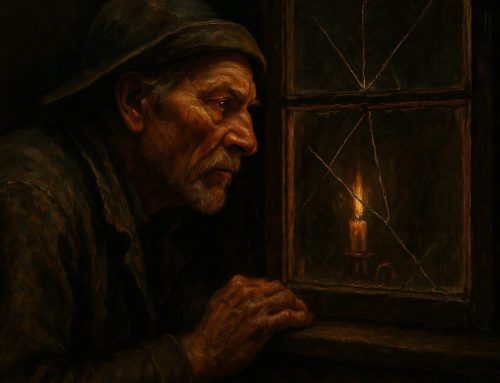
Yet death waits at the edge of every evasion, that final horizon that renders all our careful abdications absurd. “But no matter the deeds done or the knowledge obtained, human beings still die.” The knowledge presses: within this finite frame, every deferral is a choice, every paralysis an action. Time does not pause while we deliberate. The river moves whether we swim or float.
The Fracture of Choosing
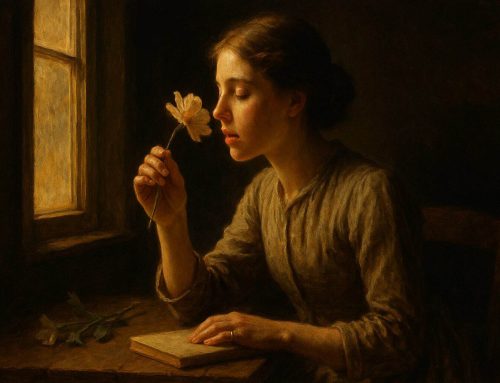
When we do choose—truly choose—something tears. The strings of attachment that once bonded one to the other droop to the ground like a limp broken string detached from a distant kite. This is not metaphor but phenomenological fact: choice literally breaks the world that was, creating an irreversible before and after. The person who finally speaks their truth watches relationships reconfigure or dissolve. The one who changes course professionally sees former colleagues become strangers. Even positive choices—especially positive choices—carry this edge of loss.
A friend describes leaving an abusive situation: “Part of me died that day. The part that knew how to live in that world, that had adapted to its particular gravity. Even though I chose freedom, I mourned the death of who I had been.” This is the paradox that lives in the marrow of freedom: to choose is always also to lose, to say yes is simultaneously to say no to infinite alternatives.
The spirit writhes in futile protest before collapsing, succumbing to a new desolate sorrow—not just for what was chosen against, but for the innocence that preceded choice, the imaginary world where all possibilities could coexist without demanding selection.
The Witness and the Weight
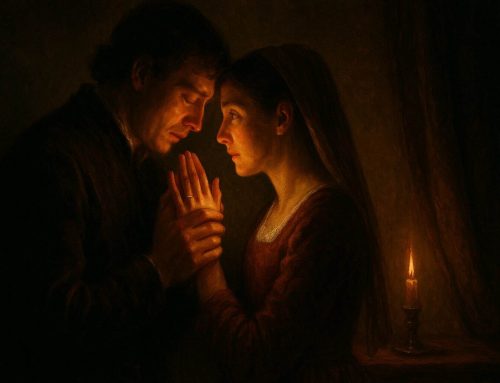
Yet we are not alone in this ache. Others have chosen before us, and their choices ghost through ours. The dead especially—those who have run through their full allocation of choices—become strange companions in our deliberation. “Even though the dead cannot speak for themselves, our voice can unite with theirs and they can speak through our interpretations.”
A daughter stands where her mother once stood, facing a similar crossroads. She feels her mother’s presence not as guidance but as witness—someone who knew this particular ache, who felt freedom’s weight in her own chest. The dead become “the book that no one will read, the song that no one will hear, and the film playing in an abandoned theater”—except when we, in our choosing, briefly reanimate their struggles through our own.
This is how wisdom transmits itself, not through maxims or advice but through the recognition of shared ordeal. The wisdom of the dead becomes the wisdom of the living precisely because they too knew this ache, this terrible gift of authorship over one’s own existence.
The Sacred Wound
“It is mine to follow Your Spirit through the shadow of death.”
At the deepest level, freedom aches because it reminds us of our original condition—neither purely determined nor absolutely free, but suspended between earth and heaven, finite and infinite, creature and creator. We carry “faint memories of a time before the fall, now blurred through the veil of death and sin,” a half-remembered wholeness where choice was not burden but joy, where freedom meant harmony rather than fracture.
The religious traditions know this ache intimately. Augustine’s restless heart, Kierkegaard’s anxiety, the Buddhist’s first noble truth—all circle around this same wound that freedom opens in being. We are free enough to imagine perfection but bound enough to never achieve it, conscious enough to know our condition but powerless to fundamentally alter it.
“When humanity fell from grace, Lucifer claimed equal parentage with God and forever bound his essence to our own, marring God’s breath of life within us.” Whether taken literally or mythologically, this speaks to the lived experience of freedom as both gift and curse, as the divine image in us and the fault line through which suffering enters.
The Quiet Rebellion
In the end, freedom aches because it confronts us with our own significance. Every choice matters precisely because time is limited, because “death must threaten to take it all away and condemn us to be forgotten.” The ache is proportional to the weight—and the weight is proportional to the meaning.
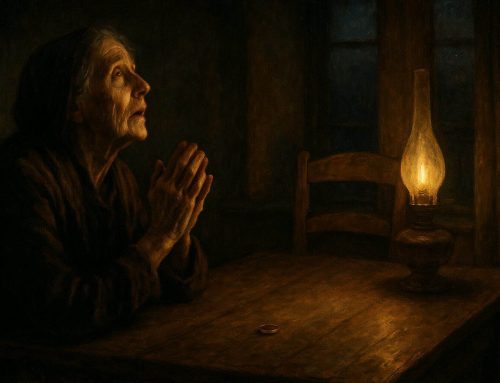
Watch the dying as they approach their final freedom, the last choice that is no choice. “In one final act of rebellion against death, the living weep, feel defeated and impotent, and whisper prayers on behalf of the dead.” But perhaps these tears and prayers are not just for the dead but for ourselves—for all the choices we have not yet made, for all the freedoms we have not yet shouldered.
The ache of being free is the ache of being human—suspended between possibility and limitation, between the infinity of what could be and the finitude of what is. It is the quiet, pragmatic inquiry that precedes not just “the death of a man’s dream at the hands of a woman’s need for security,” but every genuine encounter with our condition.
The Morning Returns
And so we return to the morning light, to the kitchen table where decisions wait. The coffee has grown cold, but the choice remains warm, alive, pressing against consciousness with its familiar ache. We could defer again, find another necessity to hide behind, another structure to blame. Or we could stay with the ache, recognize it as the sensation of being fully alive, fully human, fully present to our own terrible and beautiful capacity to shape what comes next.
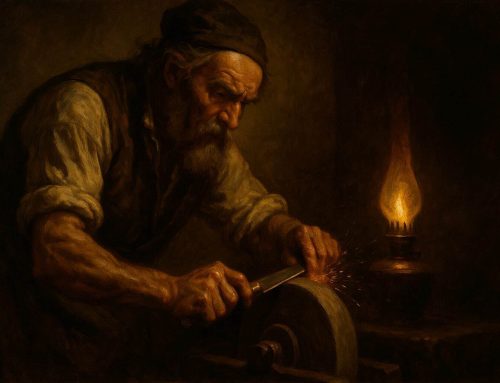
The master who doubts his ability after choosing wrong, the lover who speaks too late, the parent who must decide for the child—all know this ache in their particular key. It is not something to be cured or overcome but to be carried, like the weight of our own hearts, like the breath that continues because “all of us breathe today because Adam breathed so long ago.”
Freedom aches because it is real. And perhaps, in a world so often numbed by routine and distraction, even the ache itself is a kind of gift—proof that we have not yet resigned our stake in our own existence, evidence that the spirit still writhes, still protests, still insists on its terrible privilege of choosing.
This is what it means to be free: to stand in the morning light with all our choices before us, feeling the full weight of what we might become, knowing that whatever we choose will cost us everything we don’t choose, and choosing anyway. The ache is not the price of freedom. The ache is freedom, felt from the inside, where it lives.