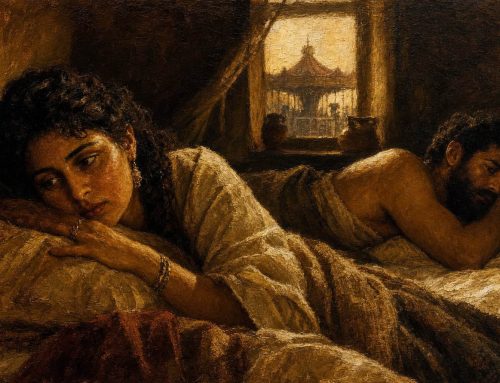
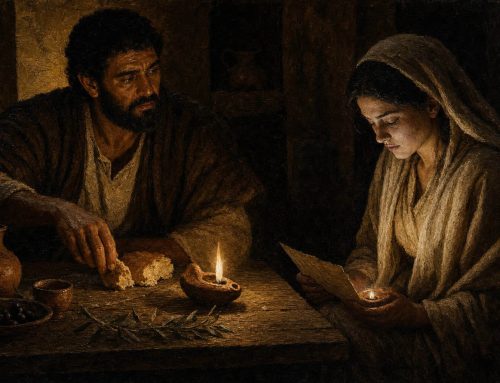
Her hands sketch paths in the air — a lean, a laugh that stays — and he does not yet see the trap: every signal of nearness planted so it can later be denied.
Hands Sketching an Invisible Invitation
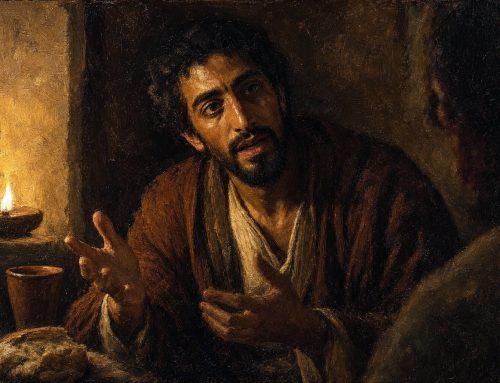
Their hands move as they talk, sketching shapes in the air that feel like paths. A lean across the table, a laugh that lands and stays, a shoulder brushing yours and not rushing away. They let details slip that no one shares by accident, small confessions placed like markers along a trail. Eye contact holds a second too long, then breaks with what looks like shyness, as if they themselves are surprised by the closeness they have opened. In this passage, the scene narrows to that charged edge where bodies and words start speaking faster than thought. You are not guessing in the dark; you are following the lines they draw, trusting that human signals still mean something. Everything in you gathers—desire, hope, hunger for recognition—toward what looks like mutual approach. The moment does not explode; it tightens, like breath held between two faces that have come too near to pretend they are far.
The Sudden Stench of Accusation
Then the air turns. The same leaning body stiffens, pulls back, eyes sharpening with injured purity. What was a lingering touch is now recalled as mere friendliness, what sounded like confession is renamed harmless oversharing, what glowed as invitation is dressed down as your fantasy. In the book’s middle stretch, this is where the mask hardens and the author stands before a person who must stay innocent at any cost, even if that cost is his sanity. The cruel move is not only withdrawal but inversion: you are told you dirtied something they swear was clean, that you dragged meanings into gestures that never carried them. Their voice takes on a moral edge, as if they must save themselves from you. You feel the shame rising hot in your chest, not because you sinned, but because someone has decided your very way of reading another heart is untrustworthy.
The Hunger That Only Wants to Be Seen
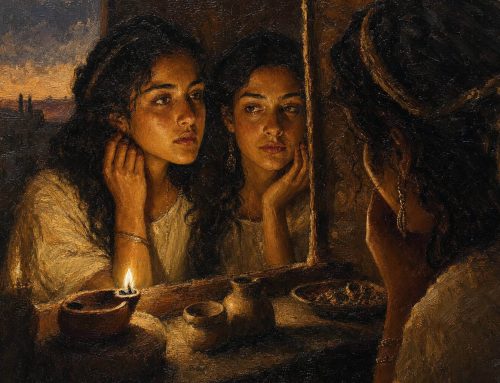
Beneath the surface fight over who misread whom, another pattern shows itself. They do not want entanglement; they want orbit. Your gaze becomes their fuel, your listening a quiet stage-light bathing them in focus. They unspool troubles, dreams, half-formed beliefs, but any attempt to answer with your own depth hits a wall of polite deflection. Their pain is allowed to be specific; yours is treated as a change of subject. This passage tightens around that sick recognition: you are not a partner in this exchange, you are a mirror they refuse to look into, only to stand before. They insist on your constancy, yet remain vague about their own. You feel your heart splitting between the joy of being near them and the nausea of realizing your nearness is consumed but never received. You are present as a person, but handled as a resource.
There is a special cruelty in those who plant every signal of closeness and then condemn you for believing it, keeping you at a distance they designed.
Refusing to Live as Someone’s Spare Tire
The narrative does not stay in the fog of hurt; it edges toward a sharp interior decision. To keep giving yourself where you are treated as a backup is to participate in your own diminishment. The author names, without softening, the inner shift from “I am lucky to be kept around” to “I will not live as an option.” This is not grandstanding, not a tantrum; it is spiritual triage. The heart, already split into too many compartments by earlier betrayals, cannot weather another arrangement where it must be always available but never chosen. Demanding singular devotion before falling further is framed here as a kind of obedience—an agreement not to barter away the image of God in you for occasional proximity. The risk is stark: to ask for clarity is to risk losing even the scraps of warmth you have. Yet the deeper risk is to keep breathing in this thin air and call it love.
Receipts Clutched in an Empty Parking Lot
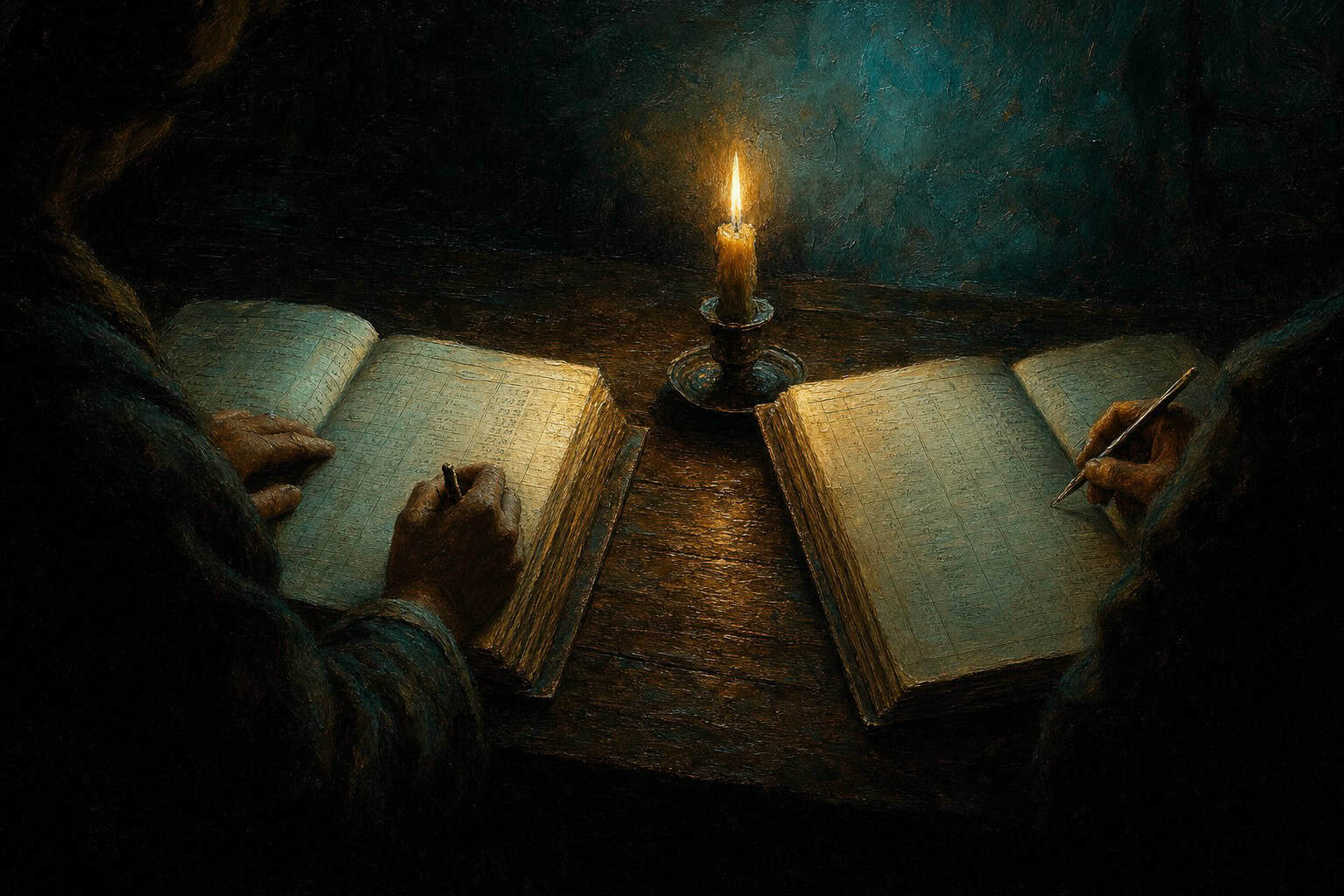
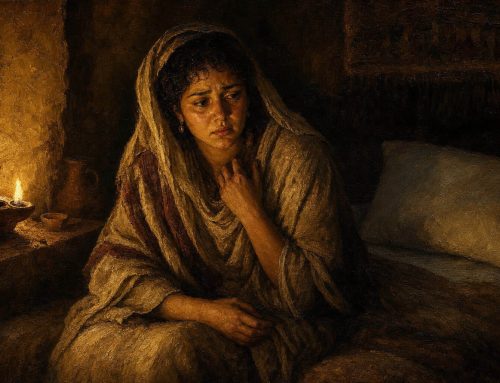
By the end of this passage, the inner scene looks less like a candlelit table and more like someone standing alone, holding crumpled slips in their hand. Every remembered touch, every long conversation, every late-night message feels like proof that something real was taking shape. But proof for whom? The other person walks away light, unburdened, claiming there was never a ledger at all, that you invented the accounting. You are left outside, evening air cooling on your skin, staring at what you carry. The tension here is not resolved; it thickens. Do you tear up the receipts and agree that nothing ever added up? Do you harden into suspicion toward every future gesture of warmth? Or do you let this ache teach you to insist that your attention, your longing, your yes, can no longer be borrowed without cost? The pages move on, but that fist around the paper has not yet opened.