When a guy rejects you, the sting is real. A memoirist’s honest reckoning on what his refusal reveals – and what your worth was never his to grant.
The Summer You Went Out to Be Wanted
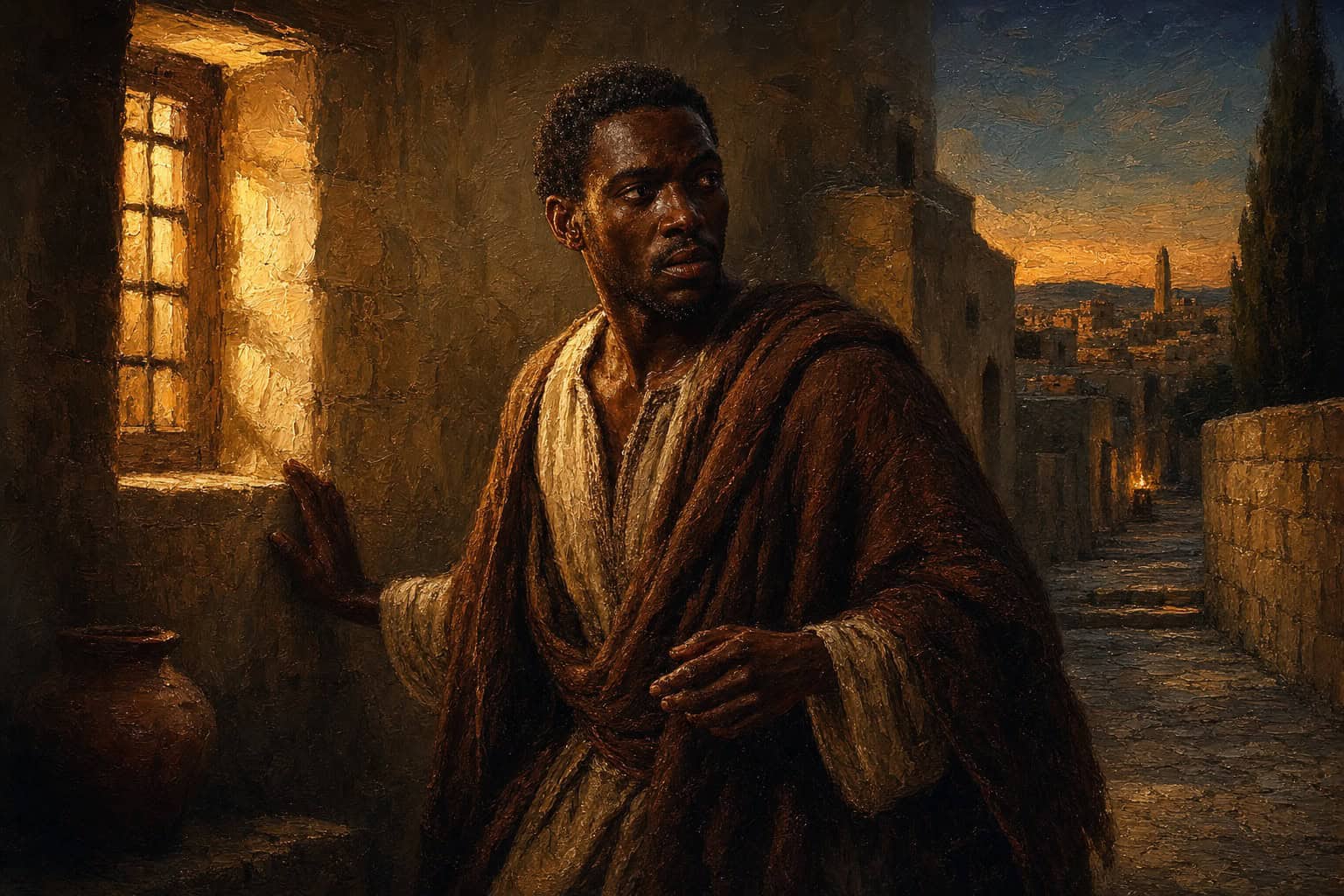
You went home that summer with a plan, and the plan was to be desired. The semester had ended, and you carried a new confidence back into the ordinary places of your town — the hot sidewalks, the crowded tables, the rooms full of strangers and half-familiar faces you knew by first name and nothing more. You wanted to test the reach of your charm, to learn exactly how far a look and a well-placed sentence could carry you into another person’s attention. I remember the itch of it now, the way your pulse quickened when a conversation turned in your favor, the small thrill when someone leaned closer than they had a moment before. You steered every exchange like a boat you were learning to sail, reading the wind of another’s mood, adjusting, pressing forward. You called it curiosity. You called it interest in people. But here is what I need you to hear, older now and slower to lie to myself: you were not really going out to win anyone. You were going out to be told you existed. Every acquaintance who lingered, every stranger who held your gaze one beat too long, was a small verdict you were begging the world to hand down on your behalf. And so, of course, the refusals landed like blows. When someone you wanted turned their eyes toward another, when the conversation you had counted on went flat and cold in your hands, something in you sank as though a court had ruled against your very soul. You felt it in your stomach first, that drop, that lurch, then the heat climbing into your face, the sudden need to leave the room. You are searching now because that same drop still comes. It finds you at a party, in the long quiet after a message goes unanswered, in the moment his attention slides past you to someone brighter. You cannot understand why one person’s shrug can hollow you out so fast, so completely, as if he had reached in and pulled a plug. I understand it because I built my whole young manhood on exactly that mistake. I made other people the judges of whether I was real, whether I was worth the space I took up. And a judge you appoint yourself will always, eventually, hand down the sentence you most fear. The scene beneath these words is small — just a young man walking out into a summer town to see how much power he holds over the people he meets. But the wound underneath it is enormous. It is the same wound that aches in you when he turns away. You were never testing your power out there. You were auditioning for permission to be alive.
The Verdict You Handed to a Stranger
Watch closely what you did with your desire, because it explains the whole of the pain. You did not simply want closeness with another person — you wanted that person to confirm you, to sign off on your worth the way a name gets signed at the bottom of a form. That is why rejection felt like far more than disappointment. It felt like a ruling on your entire being, delivered from a bench. When a man you hoped for looked past you, you did not think, calmly, he is not for me, we do not fit. You thought, in the pit of you, I am not enough. Feel the difference between those two sentences. One is a fact about two people. The other is a wound you inflict on yourself and then blame on him. You had quietly appointed that man to a throne that belonged to no one but God, and then you knelt down and waited for a judgment he was never fit to give. This is the oldest confusion of the human heart, older than your town, older than the language you flirted in. We take a genuinely good thing — being loved, being chosen, being seen — and we set it up in the high place where only the Maker of the heart belongs. We ask a fellow creature to do for us what only God can do, which is to tell us, without any condition attached, that we are worth having. And no person on earth can do it. Even the kindest one cannot bear that weight for you; even a man who wanted you fiercely back could not have filled the hole, because the hole was never shaped like him. You mistook a fellow creature for a fountain and pressed your mouth to him for water he did not have. When he did not pour, you assumed the drought was your fault, some failure in your face or your wit. But the drought was never in you. The drought was in your theology, in where you had aimed your hunger. You had built your value on shifting ground — on the mood and passing interest and momentary attention of people every bit as unsteady and frightened as you were. Of course it collapsed under you. Of course the smallest no could bring the whole structure down in an afternoon. And here is the harder thing, the thing your younger pride would not let itself admit: when you hunted for their yes, you were not really seeing them either. You watched their faces the way a man watches a scale for a number about himself. You were so busy reading the verdict that you never once met the person standing in front of you. That is why the sting cut so deep. It was never about them at all. It was always, only, about the trial you were secretly running on your own soul, with strangers pressed into service as the jury.
His No Answers Who He Is, Not Who You Are
Now I will tell you the thing that took me years and a great deal of grief to learn, the thing I would kneel in that summer street to say to you if the years would let me. A refusal reveals the one who refuses. It does not reveal you. When that man turned away, he told you a great deal about his own hunger, his own fear, his own readiness or his lack of it, the private shape of wounds you knew nothing about. He told you almost nothing about your worth, because your worth was never his to weigh in the first place. You handed him a scale he did not build and could not read, and then you wept over a number he never actually named. That is the mercy hidden inside the sting, though you cannot feel it yet: the verdict you dreaded was never issued, because the court itself was a fiction you had assembled in your own head. A refusal cannot lower a worth it did not create; his no answers only who he is, never who you are. Sit with that until it stops the machinery. Let it jam the gears of your self-judgment. The man who turned away was not a clean mirror held up to your value — he was another frightened creature making his own choice for his own tangled reasons, most of which had nothing whatever to do with you. And even when a rejection is honest, even when someone has truly seen you, really looked, and still chosen to walk on, it remains a fact about a bond that did not take root. It is not a sentence handed down about the substance of your soul. Those are different things, and the whole of your peace depends on never confusing them again. Your soul was made and loved into being before any of these people existed to hold an opinion about you. That is the ground beneath the ground, the floor that rejection cannot reach or crack. You spent that entire summer trying to earn a verdict, running from table to table for a ruling. You could have rested in one you already carried. The wanting itself was not the sin — the longing to be loved is written into you by God’s own hand, part of the design, not a flaw in it. What went wrong was the address. You kept mailing your worth to people who could only return it torn open, damaged, or not at all, and then you stood at the empty mailbox and called the silence your own failure. The letter was always meant for Someone else. It was meant for the One who had already answered it, in full, before you ever thought to ask.
A refusal cannot lower a worth it did not create; his no answers only who he is, never who you are.
The Ache That Understanding Does Not Cure
I will not pretend the truth makes the pain pack its bags and leave. It does not. You can know, with the whole clear front of your mind, that his refusal says nothing about your worth, and still feel that drop in your stomach when the message stays unanswered, still lie stiff in the dark replaying the exact half-second he looked past you to someone else. Understanding is not the same as relief, and anyone who tells you it is has never actually bled from this. This is where I have to be honest with you in a way the world around you usually refuses to be. People will tell you to just get over it, to simply choose confidence, to manage the hurt with willpower as though it were milk spilled on a counter that a firm hand could wipe away. That advice is a lie, and a cruel one, and it will leave you feeling broken for failing at something no one can actually do. The ache of not being wanted goes deep into the flesh. It changes how you carry your shoulders into a room, how you hear your own voice, how you meet your own eyes in a mirror while you shave. You cannot simply decide it gone. And here is the part that astonished me most when I finally found it, the part I want to press into your hands like a cup of water in a dry month. God does not wait for the ache to finish before He draws near. He does not stand off at a polite distance until you have healed yourself into a man worth His company. He sits down in the ache with you, right there on the floor of it. He is present in the very tear you are ashamed anyone might see, in the long empty evening after the rejection, in the hollow place you keep trying to fill with the attention of strangers who cannot fill it. He does not always lift the loneliness away. Far more often He simply refuses to let you be alone inside it. That is a different gift than the one you keep begging for at every table. You wanted to be rescued out of the wanting altogether, remade into a man who never needed a single yes from anyone. He offers instead to stay with you down inside the need, to walk beside you straight through the exact place where you feel most unlovable, and by staying there, without flinching, to tell you what no man in that town ever could — that you are wanted at the root, before you perform, before you charm, before anyone else chooses you or fails to. The wound stays open a while longer. There is no trick here that closes it fast. But now Someone is kneeling in the wreckage beside you, not to shame you for the mess, not to fix you in a hurry so you will stop bothering Him, but simply to be there in it. That nearness, it turns out, is the very thing your whole restless summer was hunting for.
What You Were Really Starving For All Along
So let me leave you with what I wish someone had said out loud to that hungry young man walking into the summer heat, certain that the right yes would finally make him real. You were starving, truly starving, and you were convinced the food was other people’s desire for you. It was not. You could have gathered every yes in that whole town, filled a room with them, and still climbed into bed empty, because a worth you must keep re-earning is not nourishment at all — it is a debt that grows larger with every payment you make against it. That is the exact trap of building a life on the approval of others: their good opinion of you has to be won again tomorrow, and again the day after, and again forever, and no amount of it ever finally closes the account or lets you rest. It exhausts you because it is a false infinity, a thirst that deepens with every swallow you take to end it. The love you actually needed works nothing like that. It does not audit your charm or your success or whether the last person you approached wanted you back. It was settled before you were born, and it does not revise its ruling when a man turns his face away from yours. I am not handing you an easy comfort to wave the hurt off with. The long accounting I set down in Confessions to the Empty Chair is proof of how much this lesson cost me, how many years and how much wreckage passed before it took hold. I got a great deal wrong. I used people as mirrors and hurt them while I was busy staring at my own reflection in their faces. I have had to name that plainly since, out loud, and carry the weight of it rather than set it down. But somewhere in that honest reckoning, somewhere in the middle of naming what I had done and left undone, I stopped chasing strangers to tell me I was real. And I began to notice the One who had been telling me all along, quietly, in the dark rooms and the empty evenings, without a single condition attached. So when a man rejects you — and one will, and it will hurt — grieve it honestly. The disappointment is real, and you are allowed to feel every ounce of it; do not let anyone rush you past it. Then, when the worst of the drop has passed, remember whose you are, and how little his no could ever touch that. You went out into that summer looking for a verdict on your soul, table by table, face by face. It had already been written, in love, in a hand steadier than any you would ever meet, long before you ever walked out the door to be wanted.